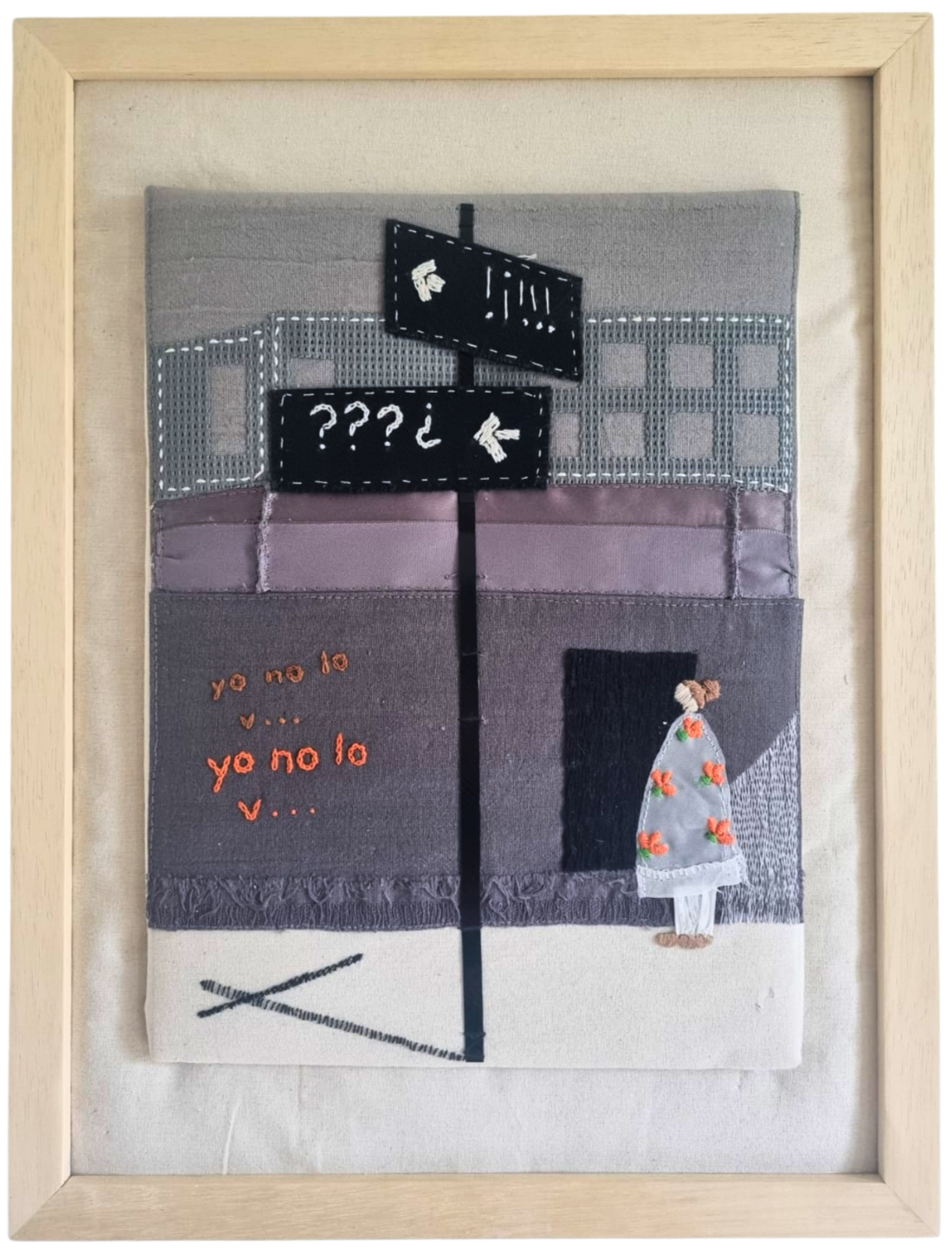
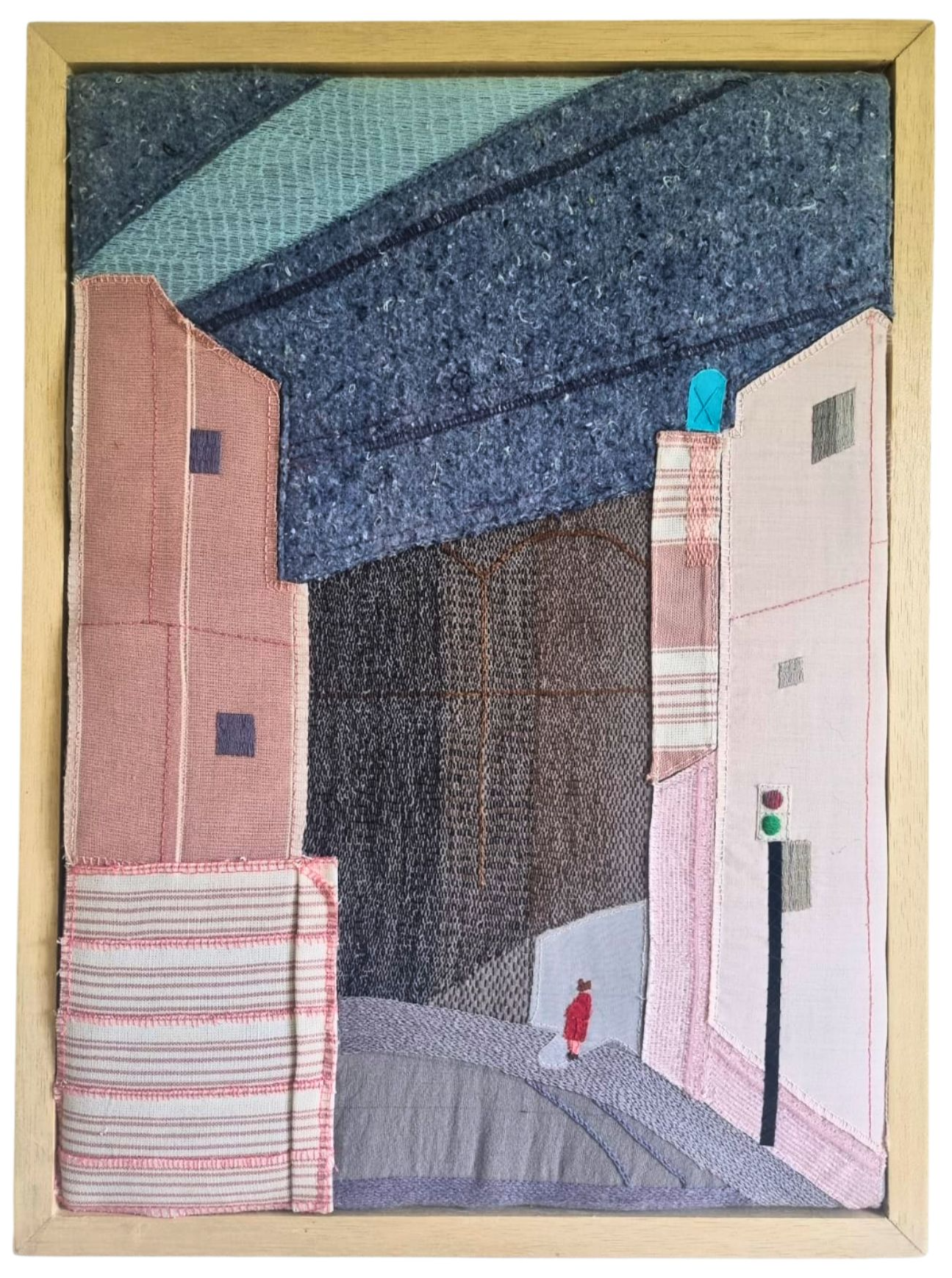
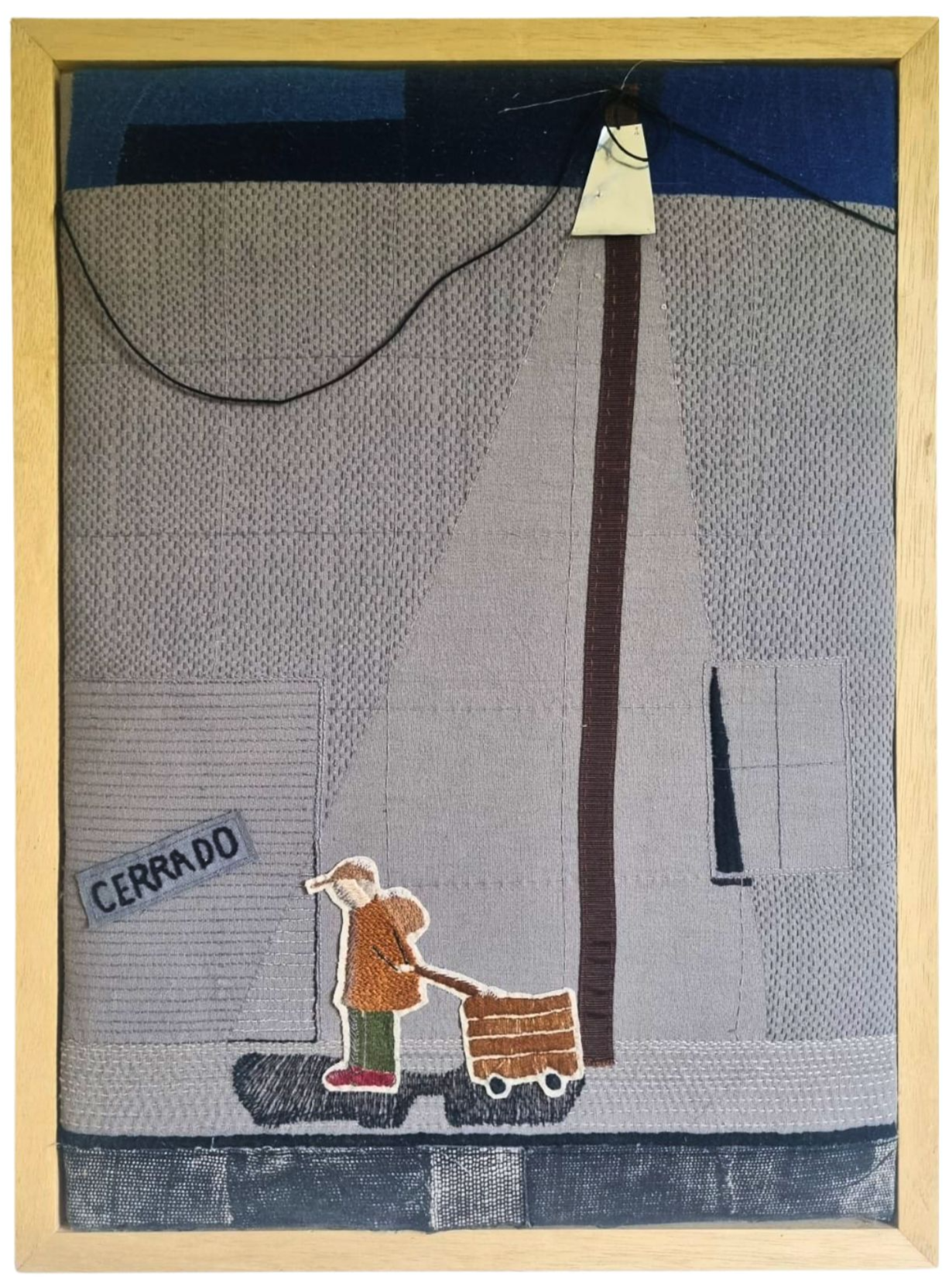
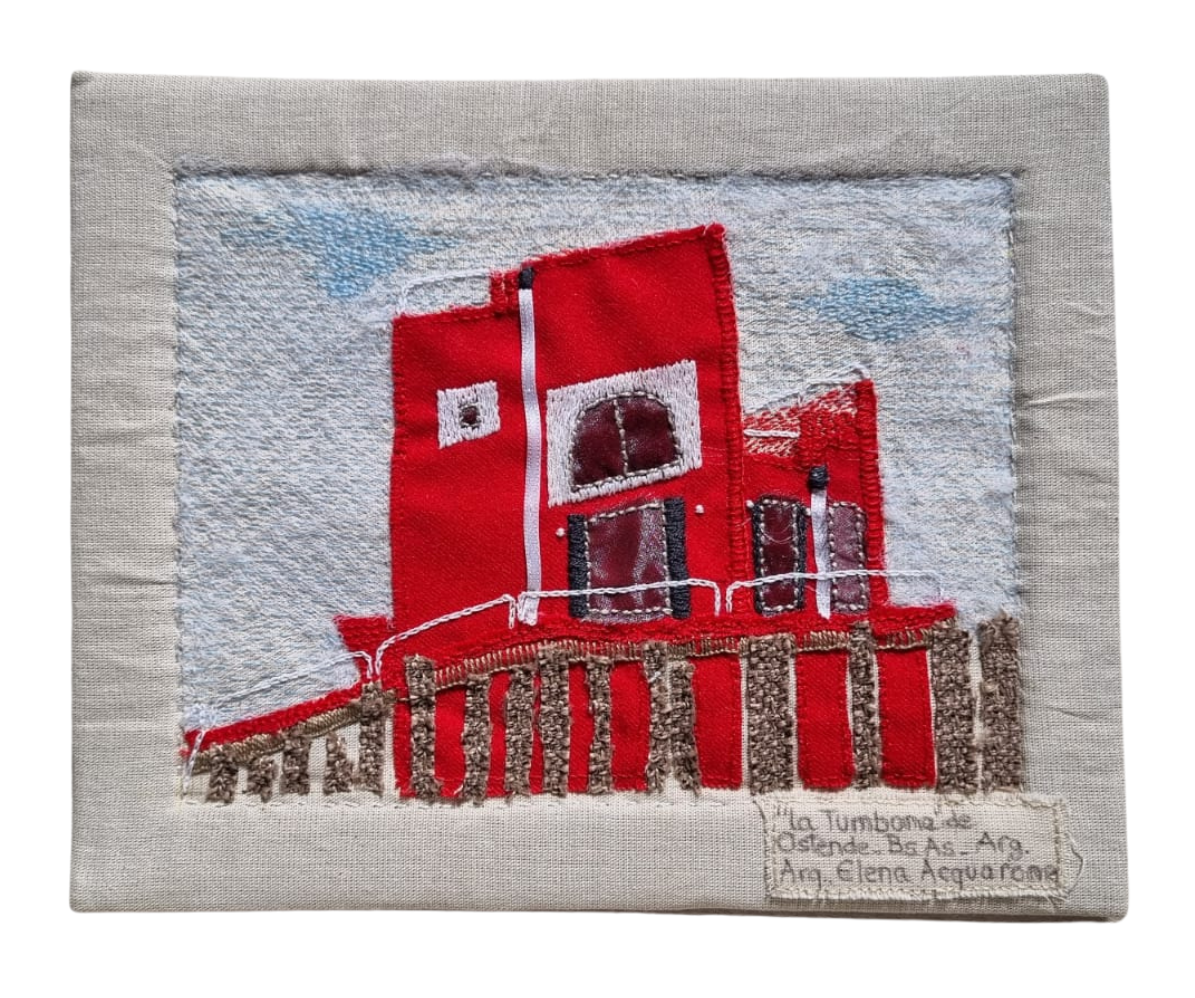
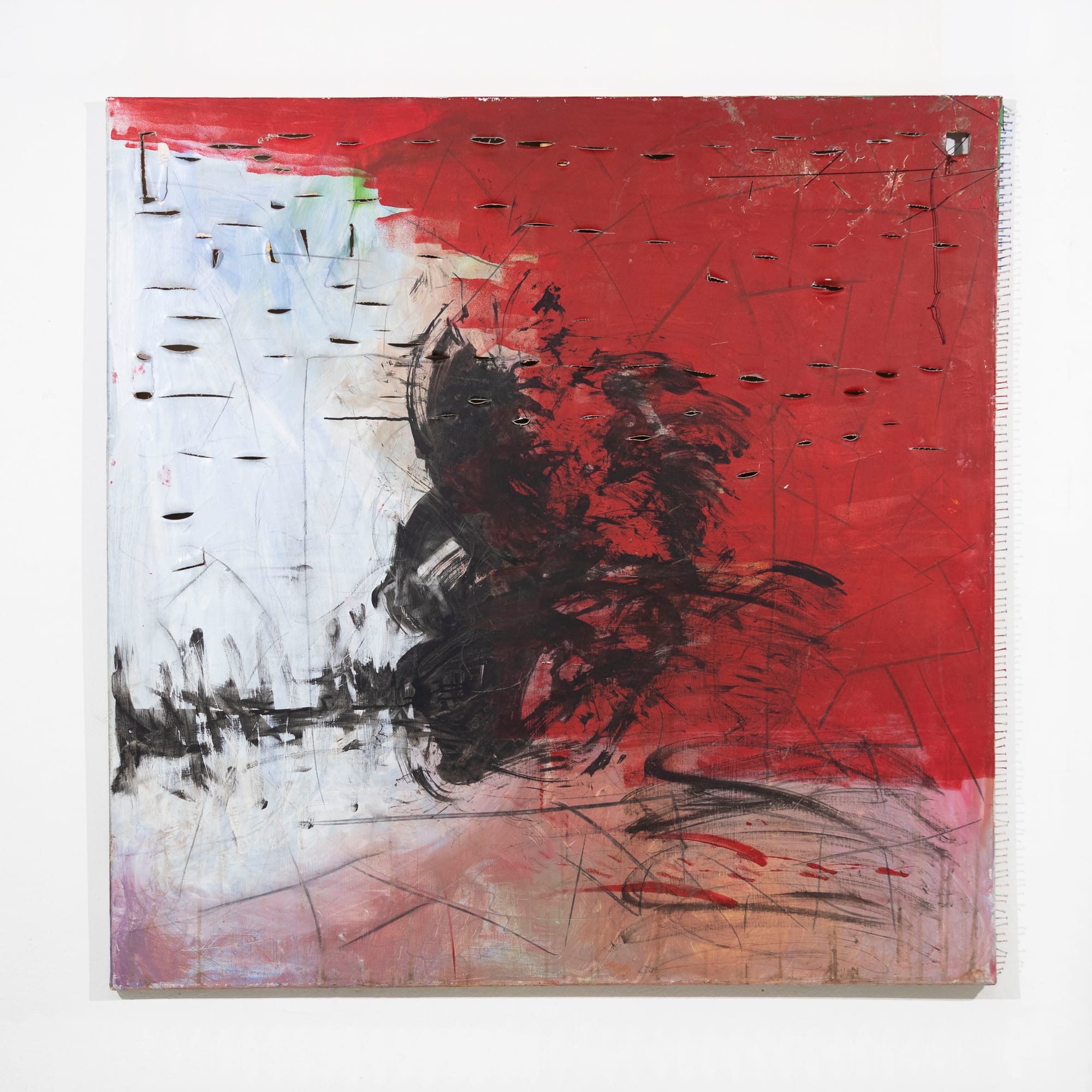
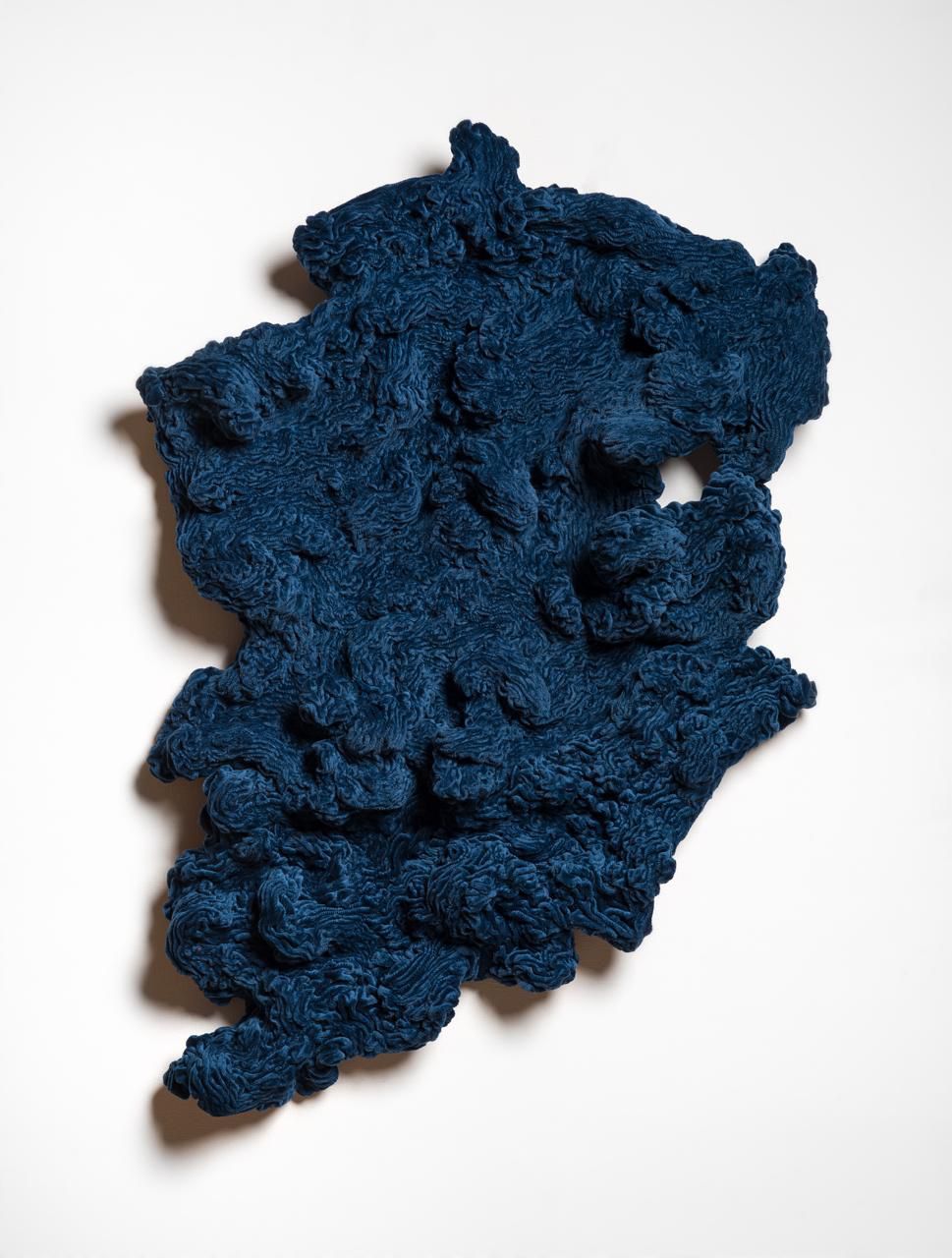
Artista visual, arquitecta y urbanista. Graduada en la FAU-UNT y especializada en planificación territorial, desarrolló su trayectoria profesional como docente universitaria y en la gestión pública provincial. Desde 2019 orienta su práctica artística hacia el textil, explorando los vínculos entre arquitectura, territorio y paisaje urbano. Su obra recurre a lienzos, géneros reutilizados, materiales recuperados y bordados para construir representaciones de edificios, conjuntos habitacionales y fragmentos de ciudad. Interesada en las formas de apropiación del suelo y en los procesos de transformación del paisaje urbano, indaga las huellas materiales, sociales y afectivas que modelan el hábitat contemporáneo. A través del hilo como herramienta de dibujo y construcción, entrelaza memorias, historias y modos de habitar, proponiendo una reflexión sobre la ciudad, el territorio y sus mutaciones. Participó en las muestras colectivas 8M – Arte, Revolución y Ambiente (Casa de la Cultura de Tafí Viejo, 2023), +Feria Arte Contemporáneo Santa Fe (2023), Envolvente (FAU-UNT, 2023), Contemporáneos (Palacio Barolo, Buenos Aires, 2025), Cocina de Sentidos (Nivel 2, Tucumán, 2025) y Modo Celebración (Fulana Galería, Tafí Viejo, 2025). En 2025 realizó el seminario intensivo Mil resonancias y un desborde y actualmente participa de LAB-EXPANDIDO, ambos coordinados por Pablo Sinaí. Vive y trabaja en San Pablo, Lules, Tucumán.
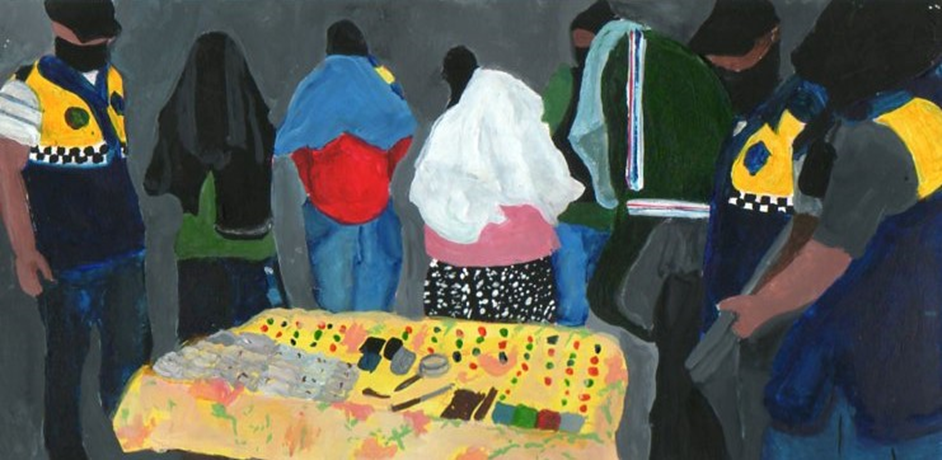
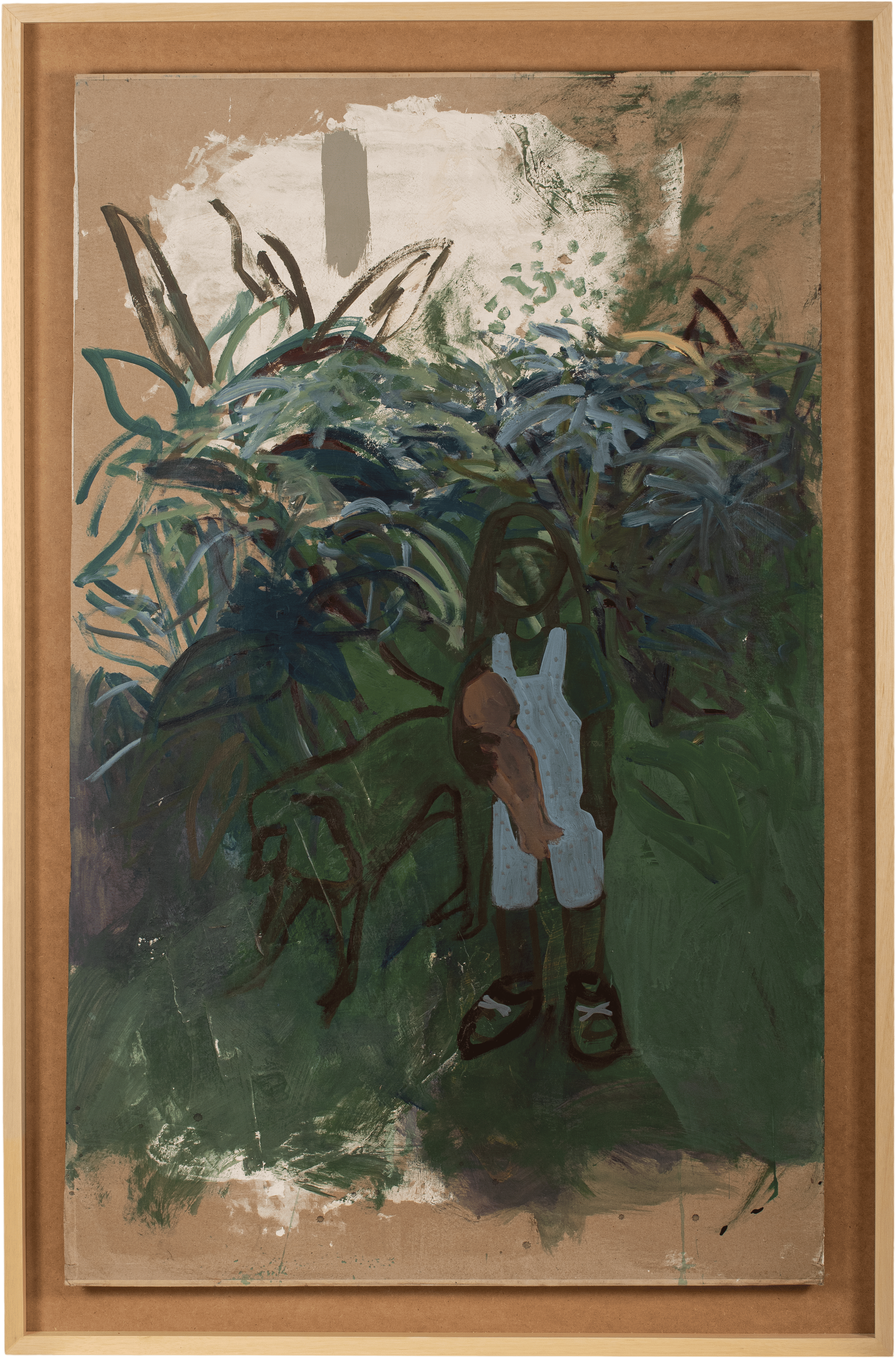
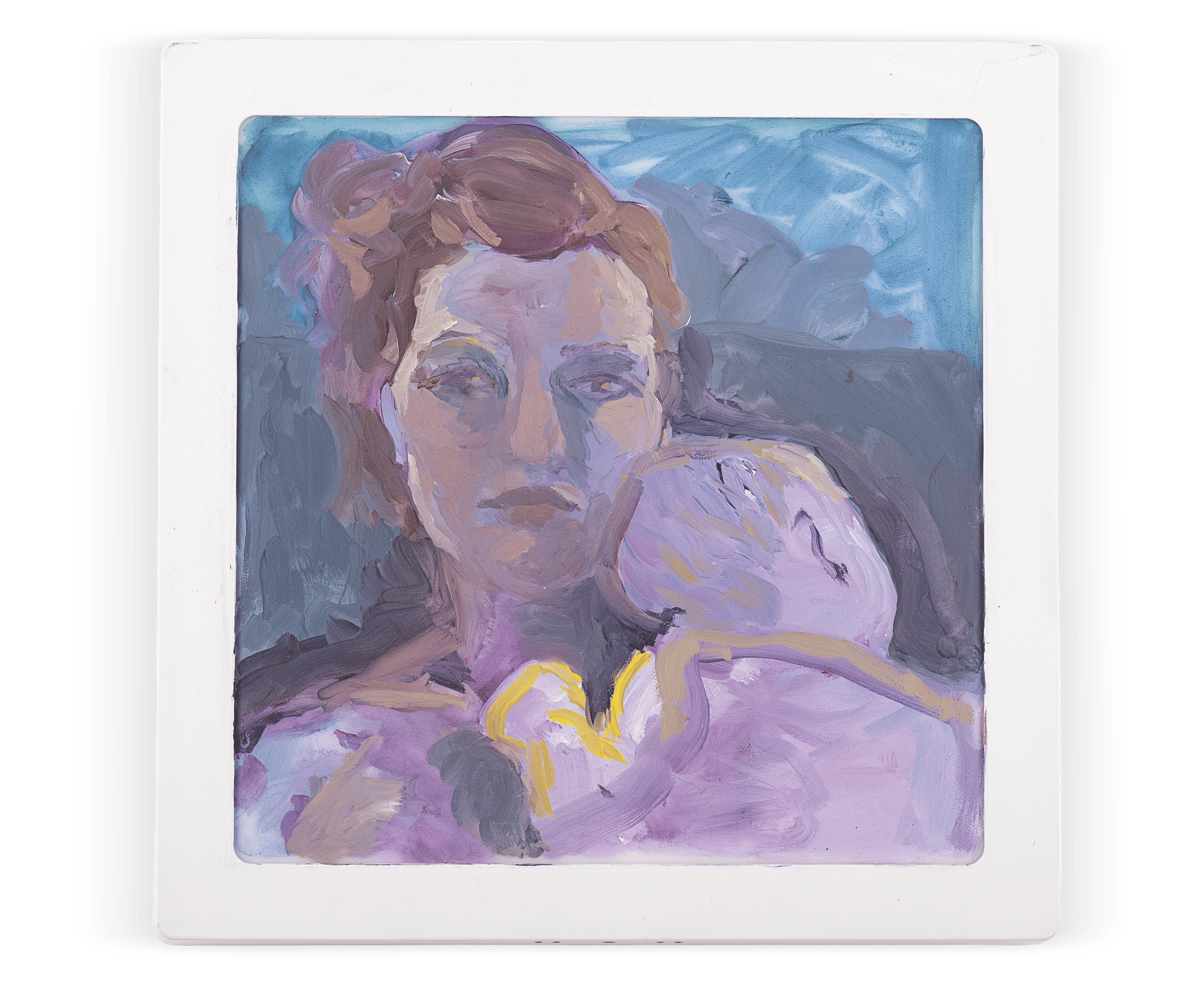
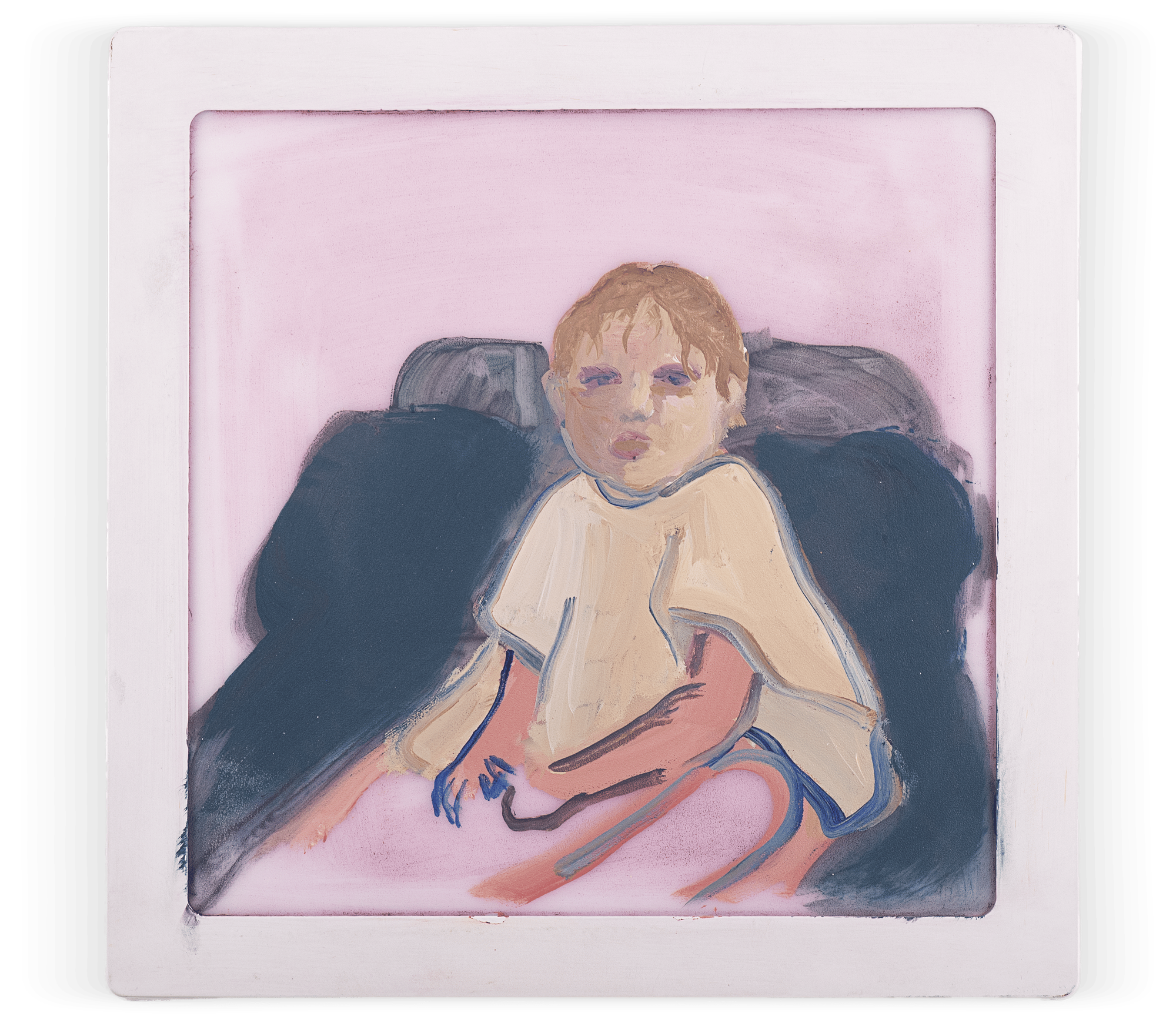
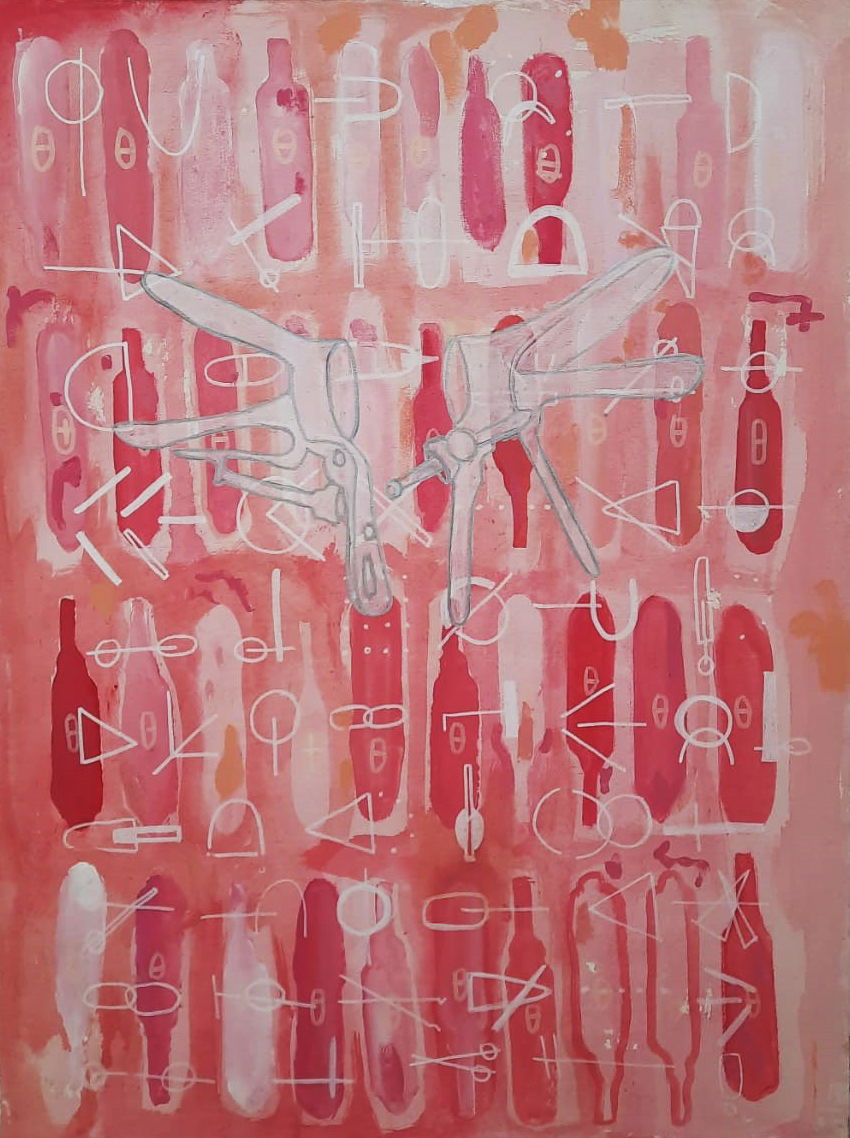
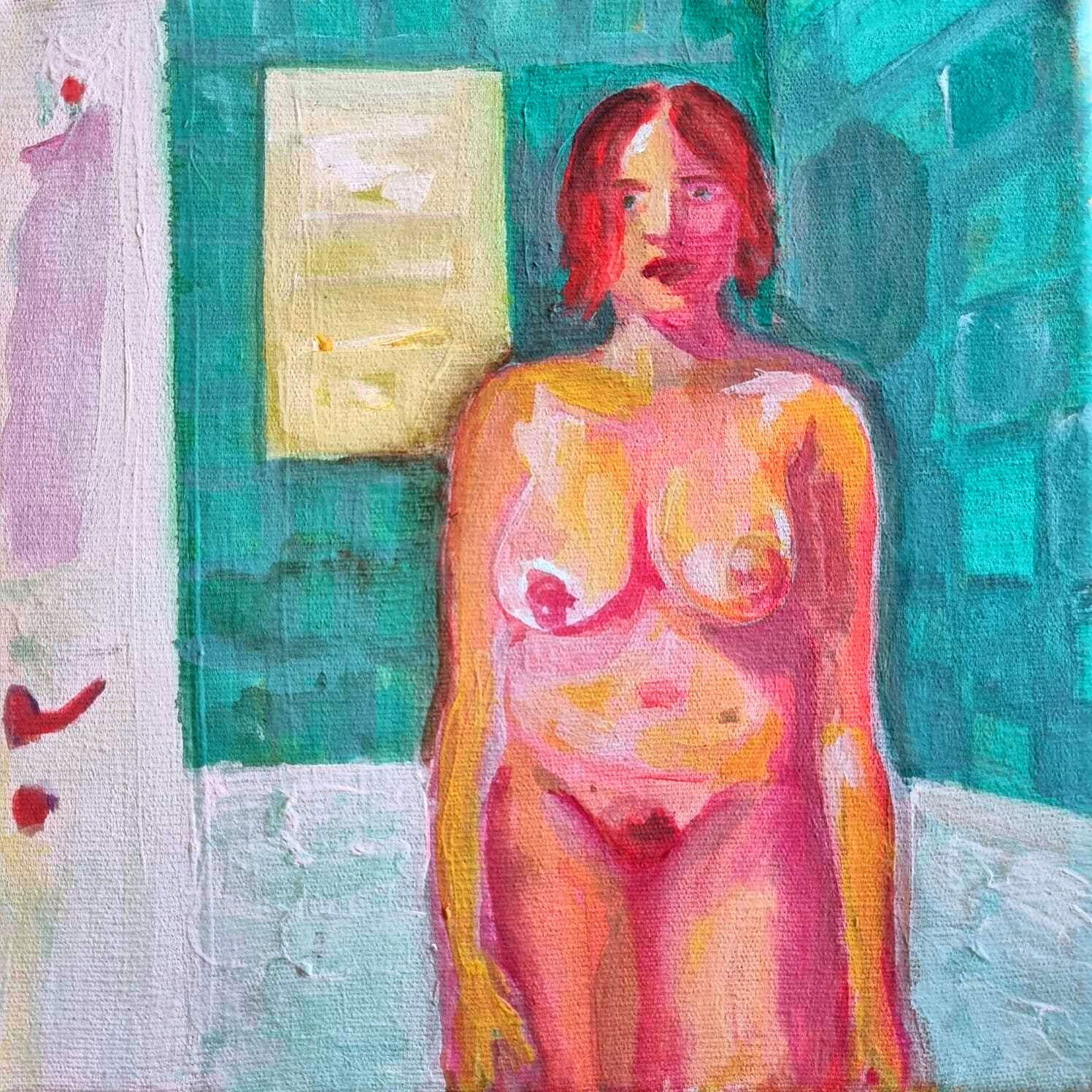
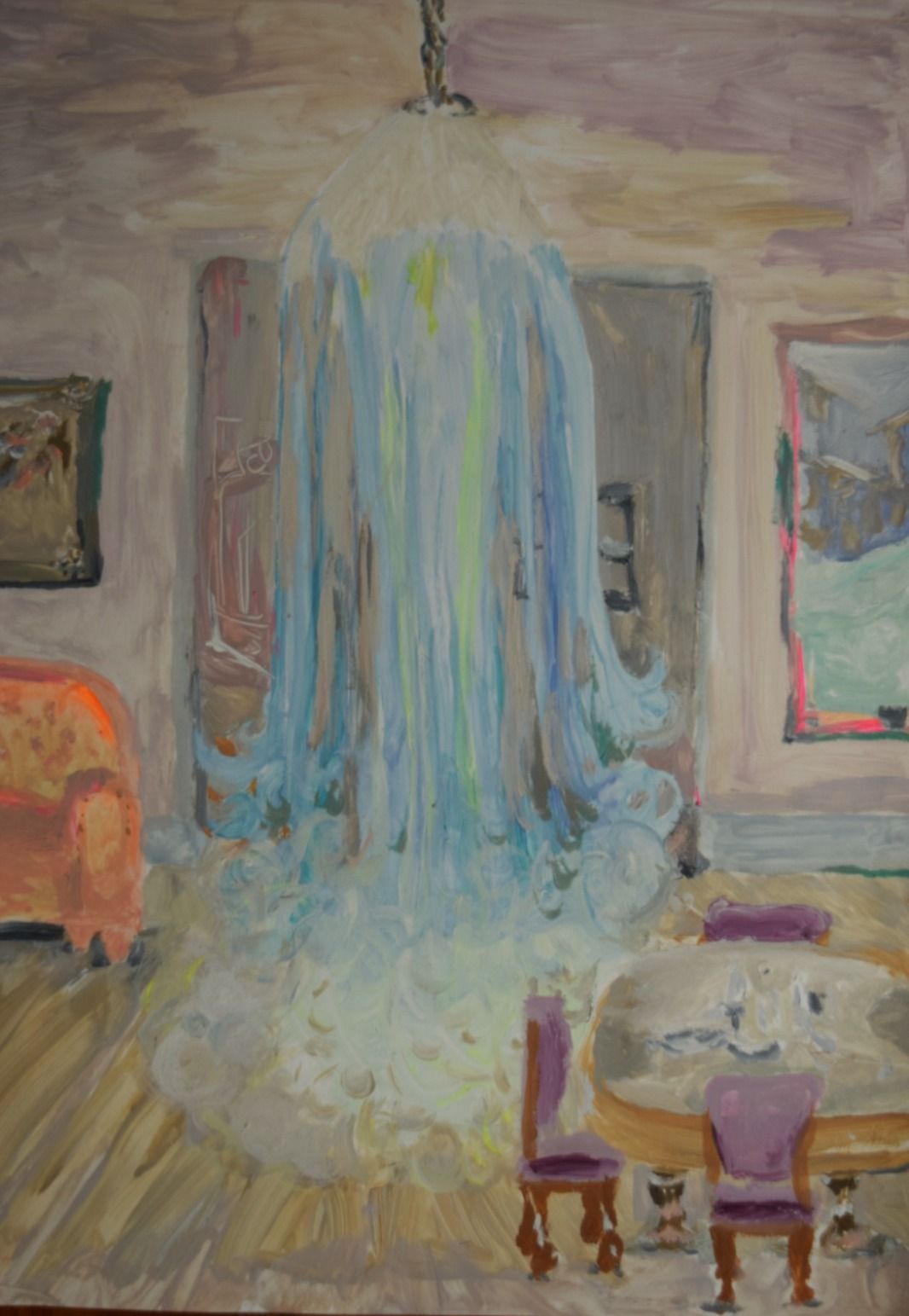
Her artistic practice plays with visual language, exploring the saturation of images she consumes from the media and her immediate surroundings. Through drawing and painting, she constructs a dialogue between materials and concepts, addressing what she defines as "the devastation of images." She also experiments with collage, video, and writing, expanding her expressive universe. She was born in Tucumán, Argentina, in 1991. She holds a degree in Fine Arts with a specialty in Painting from the Faculty of Arts at the National University of Buenos Aires (UNT). She trained in workshops and clinics with artists such as Lucía Sorans, Pablo Sinaí, Antonella Aparicio, Ana Won, Benjamín Felicce, Juan Carlos Romero, and Margarita Vera, among others. She has taught in secondary schools and in neighborhood workshops. She has been part of Galería Fulana since 2020. She has participated in group exhibitions such as The Silence of Things (2023), IV Salón Regional del NOA Recalcatti (2021), This is My Newest and Most Powerful Certainty (2021), and Eregebofilia (2020). Her solo exhibitions include A Song Made of Other Songs (2022), The Remains (2019), and Online, Connection Without Wi-Fi (2014). She has participated in fairs such as Feria Co (2024), NODO (2024), and ArteBa (2021).
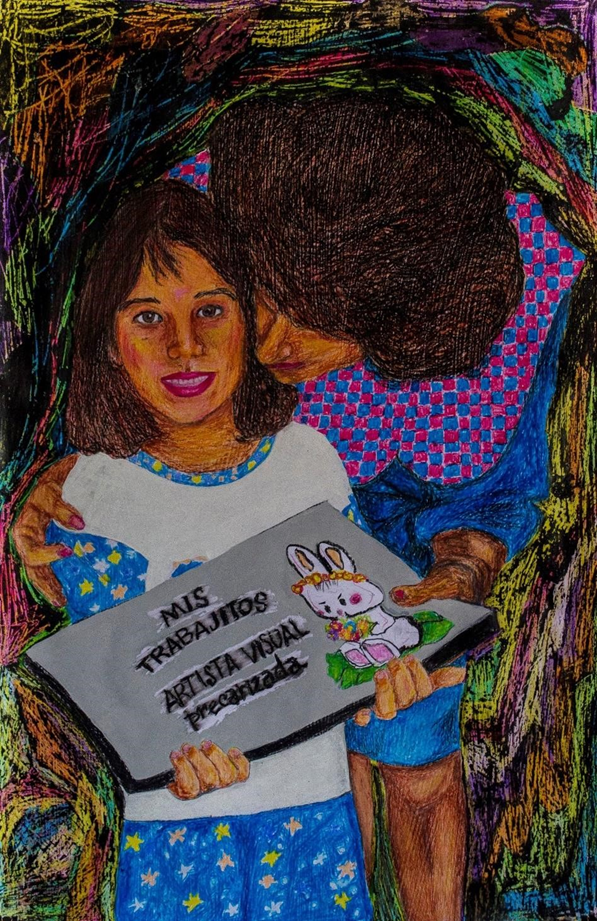
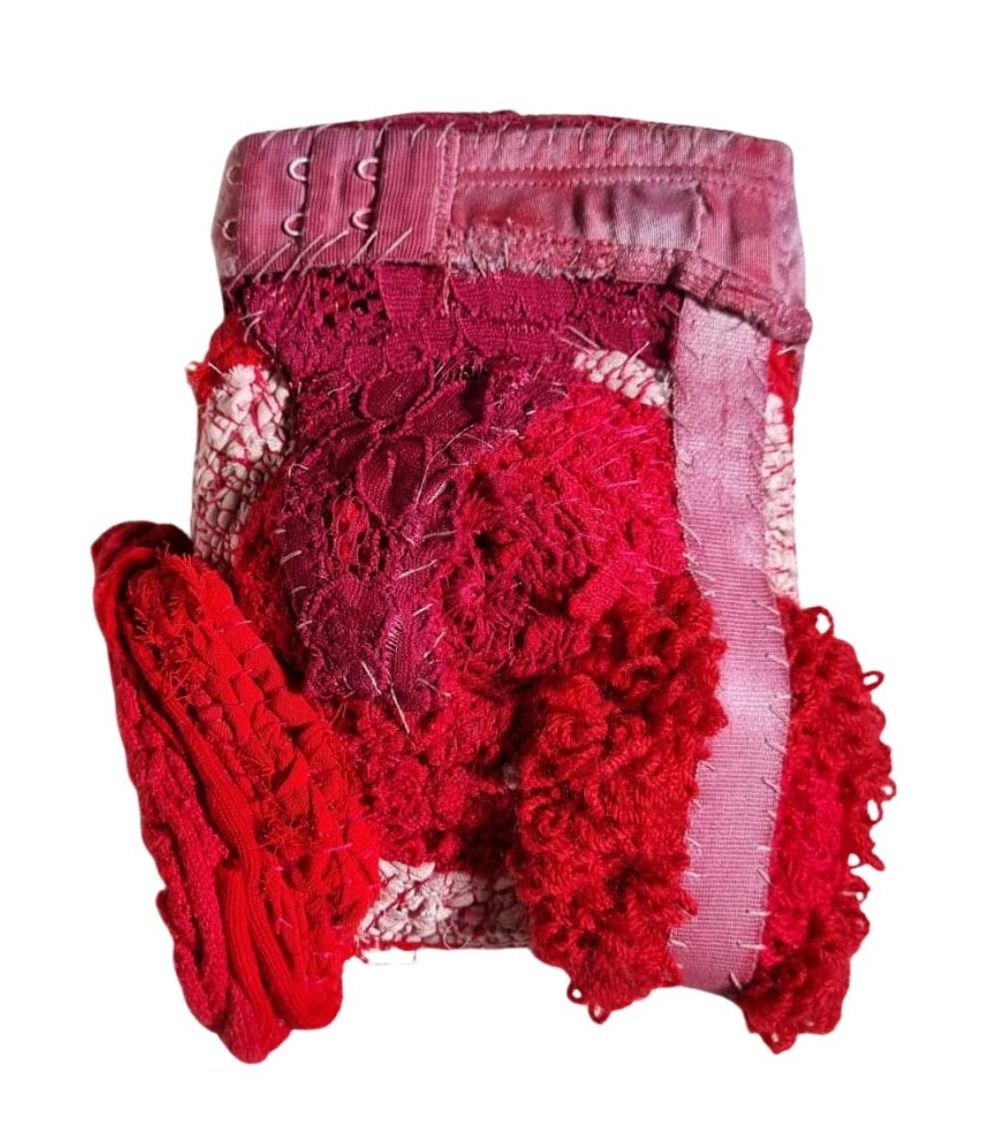
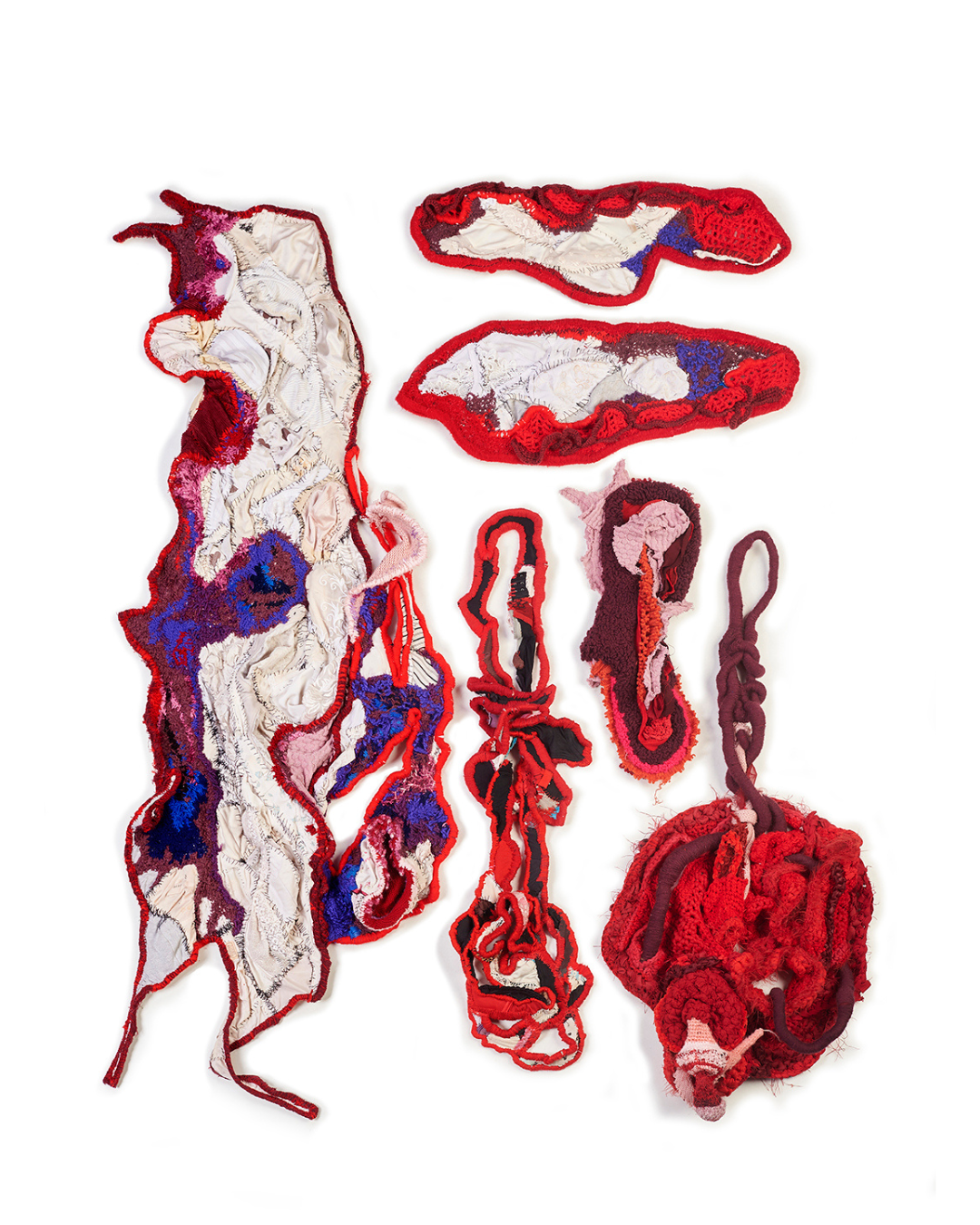
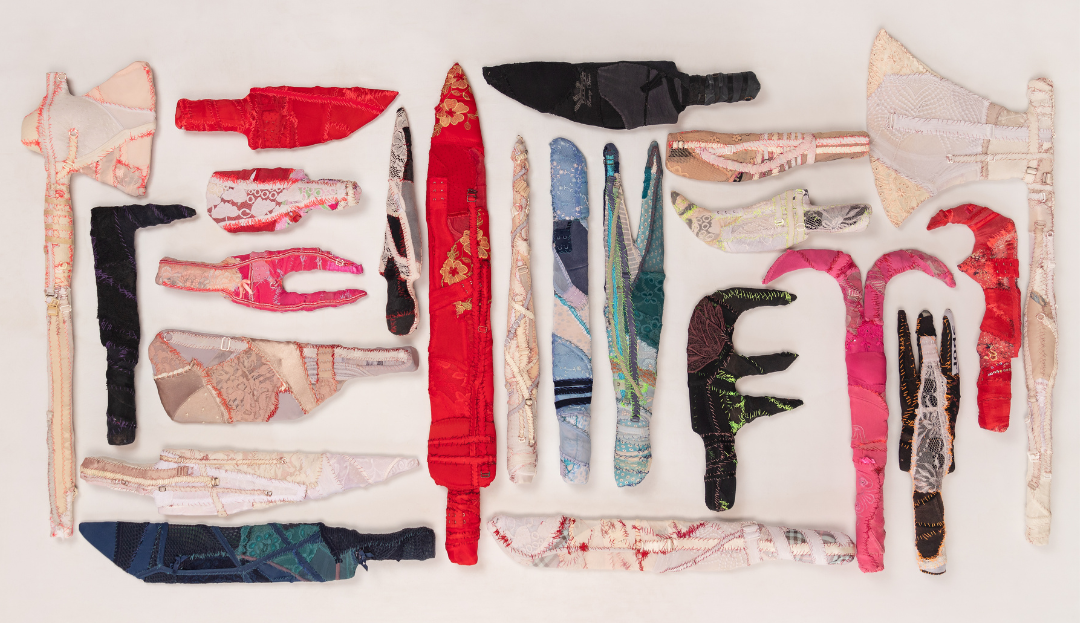
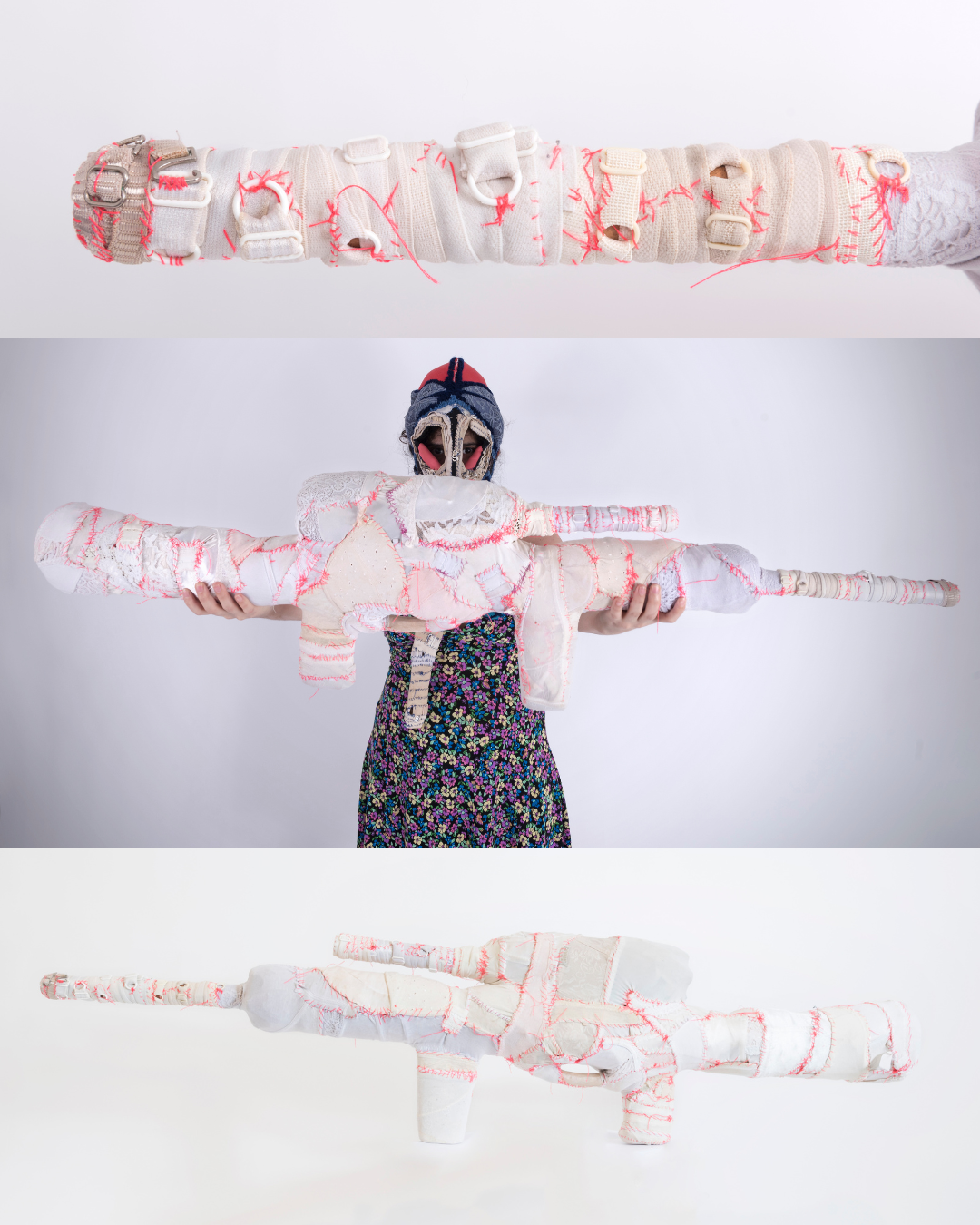
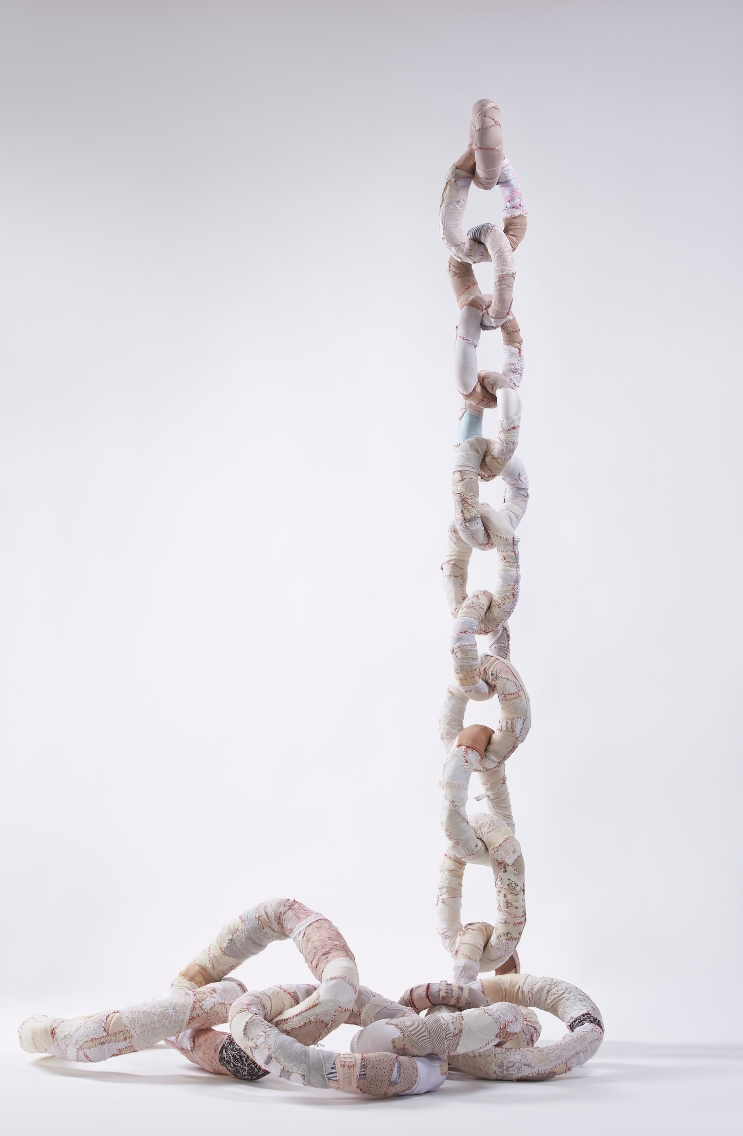
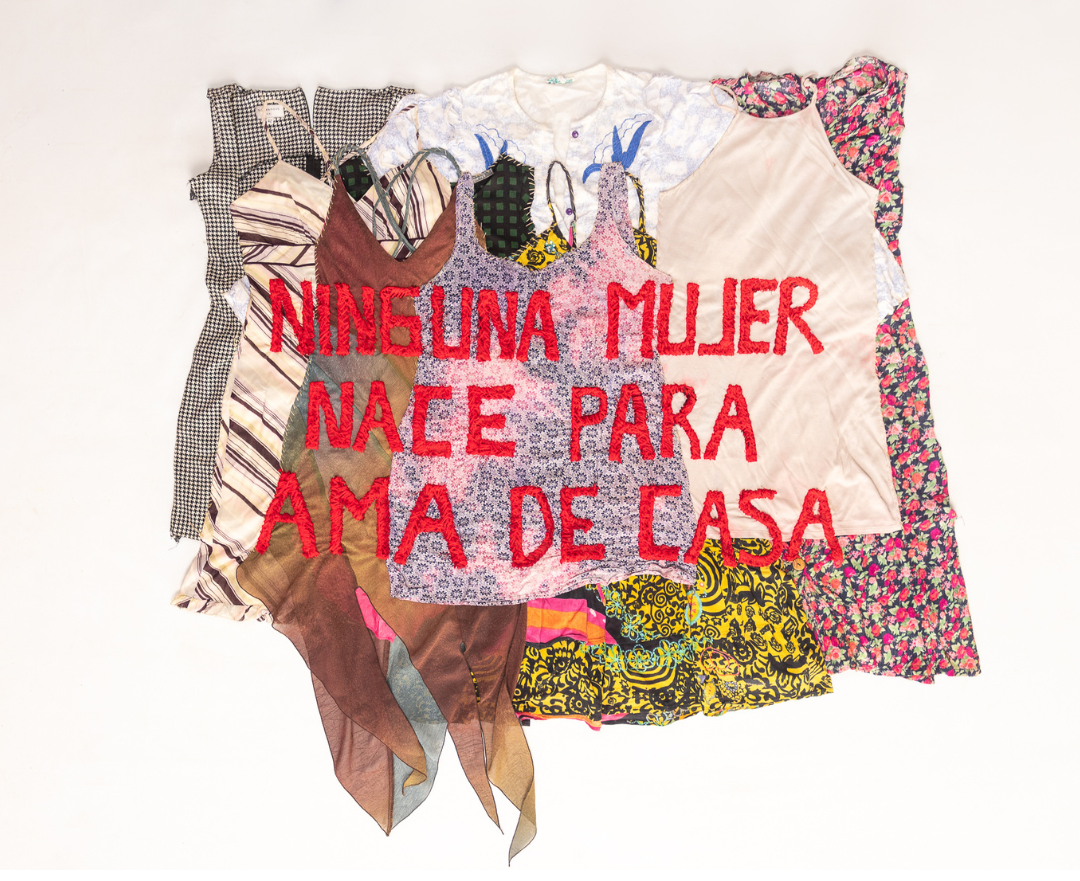
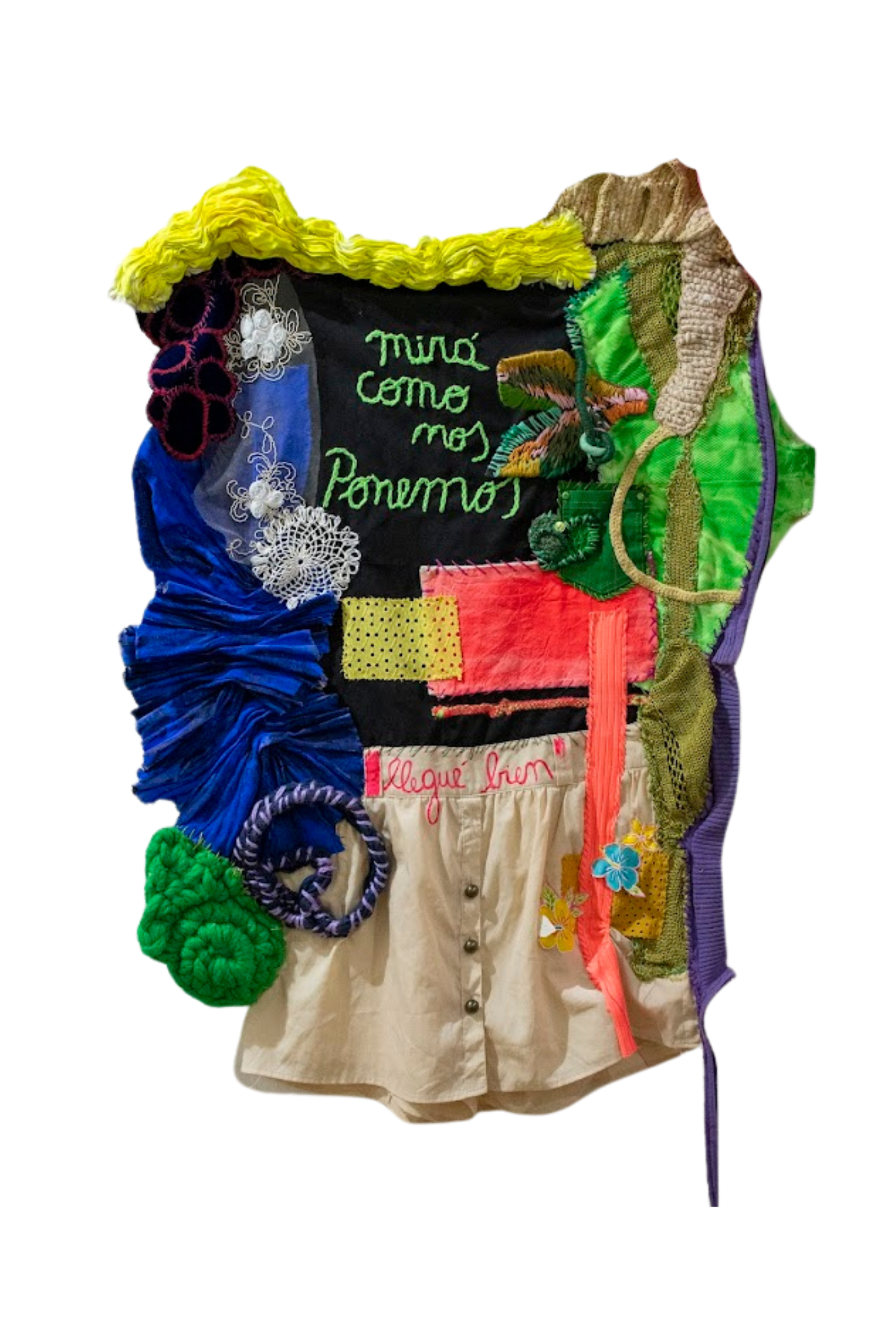
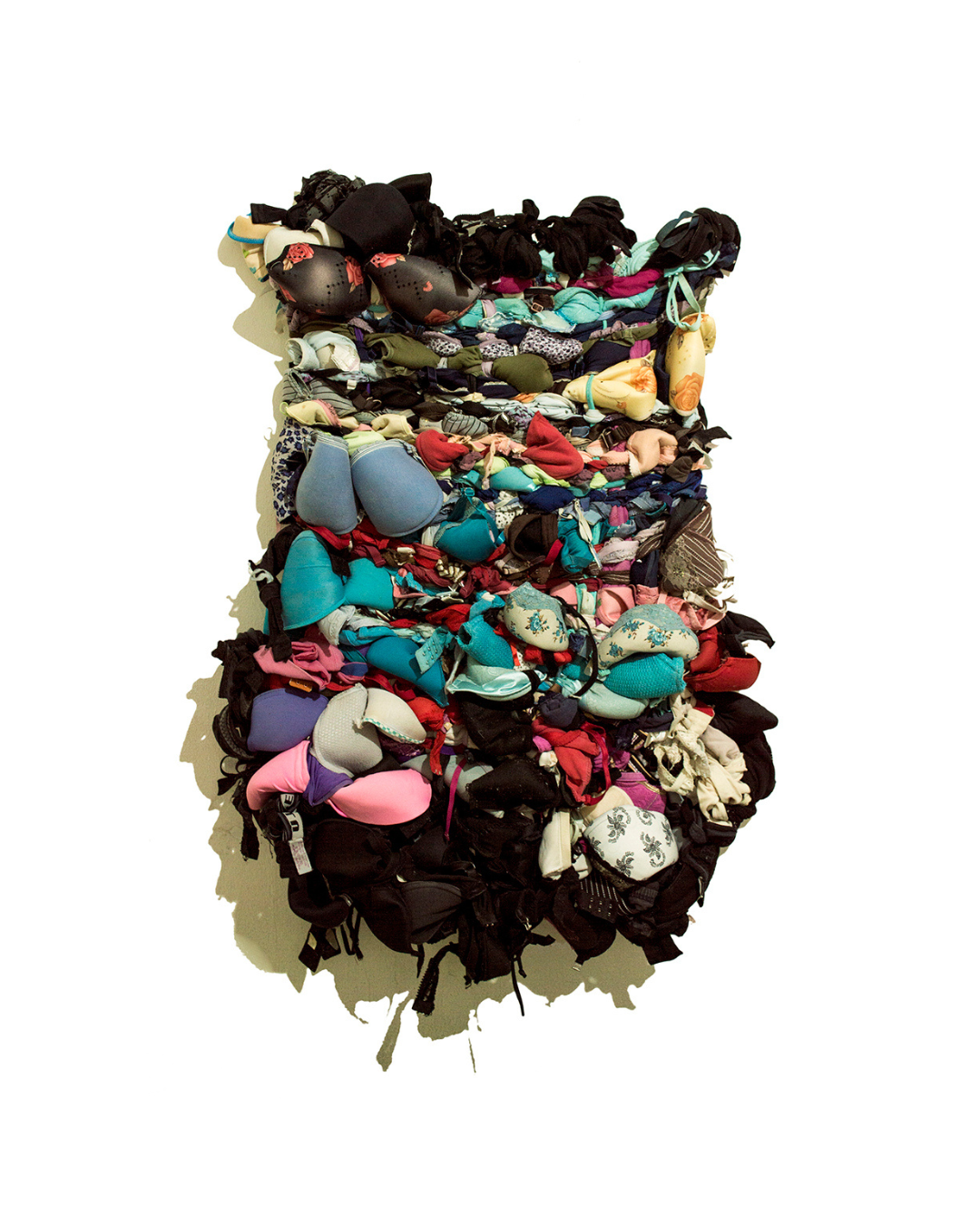
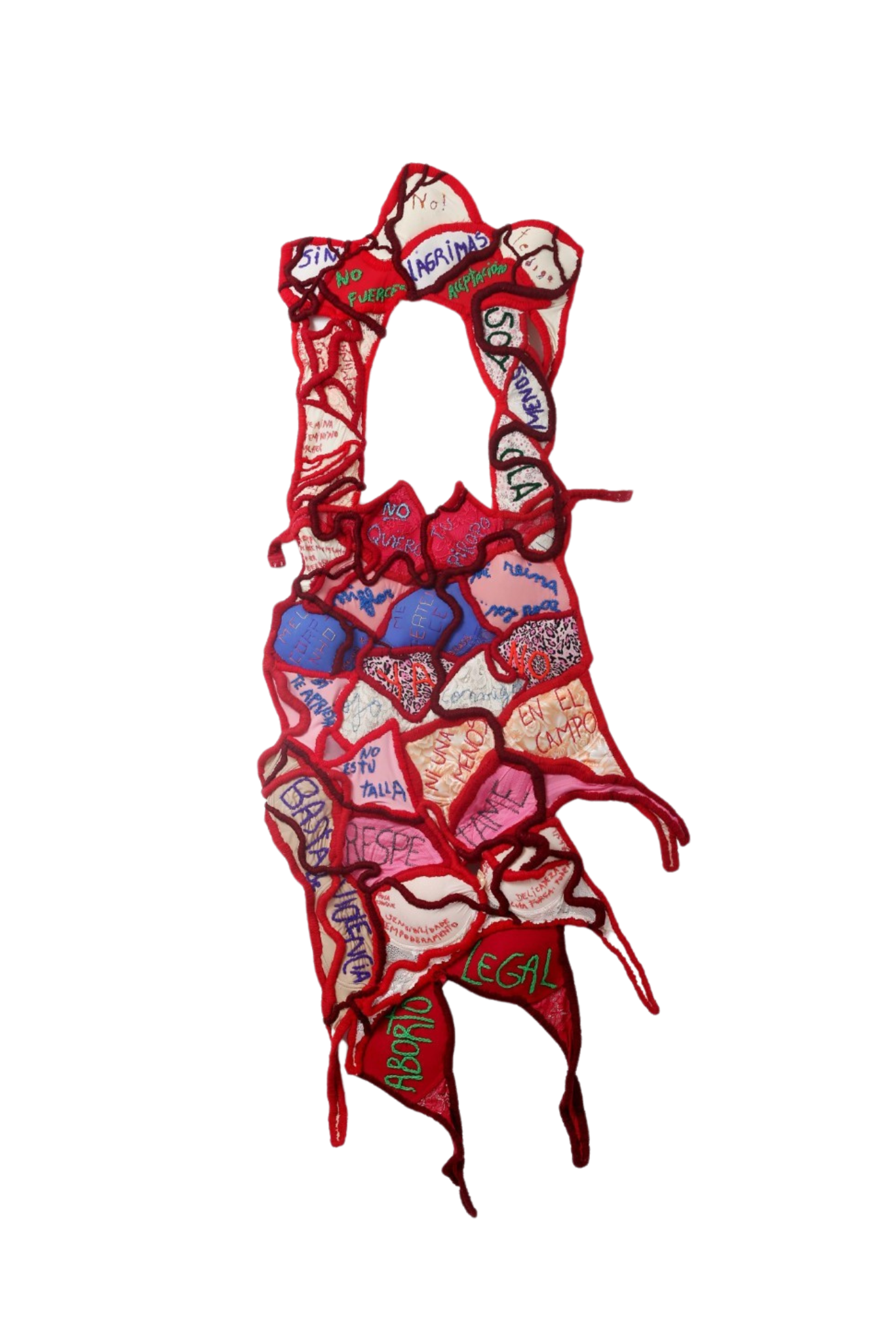
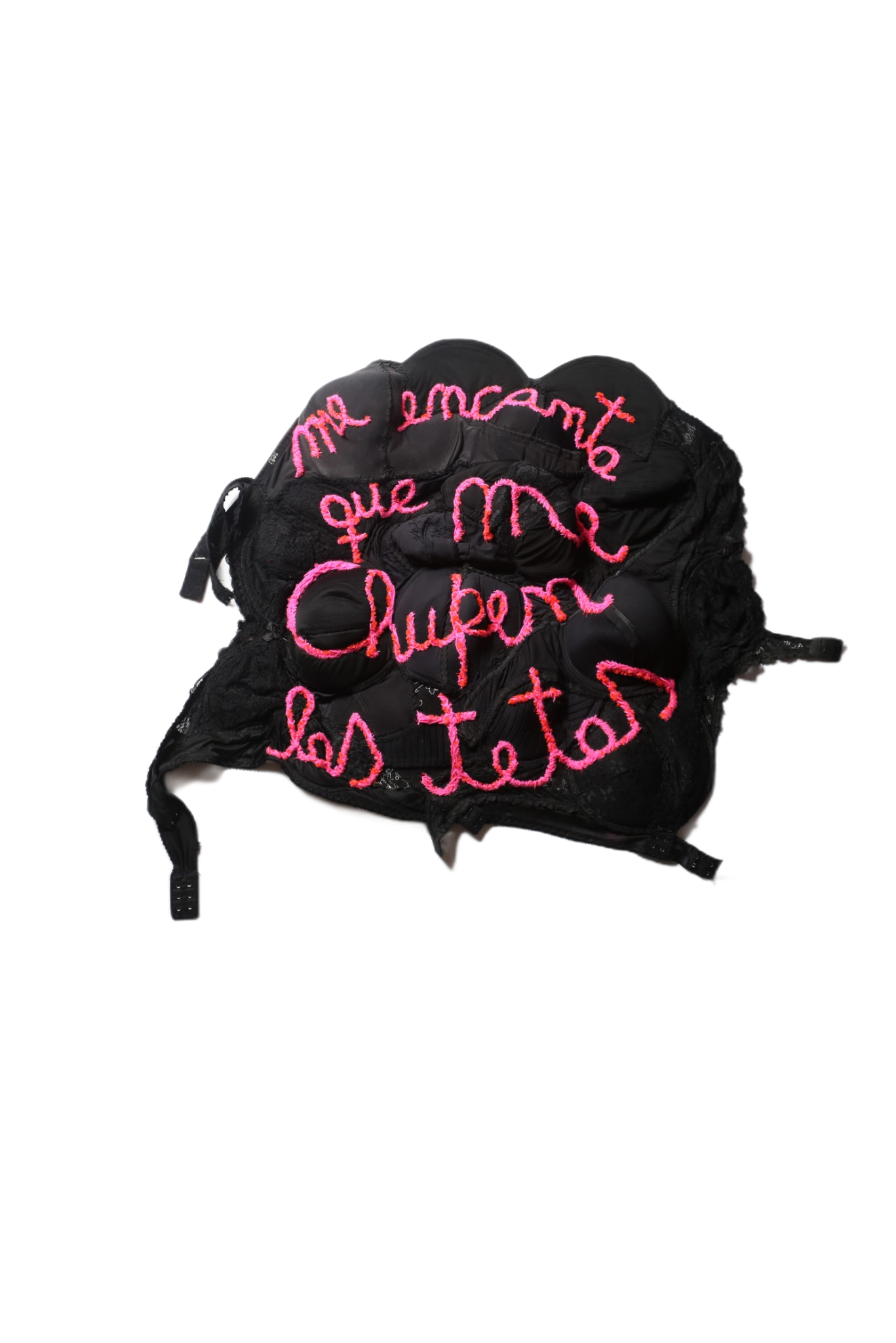
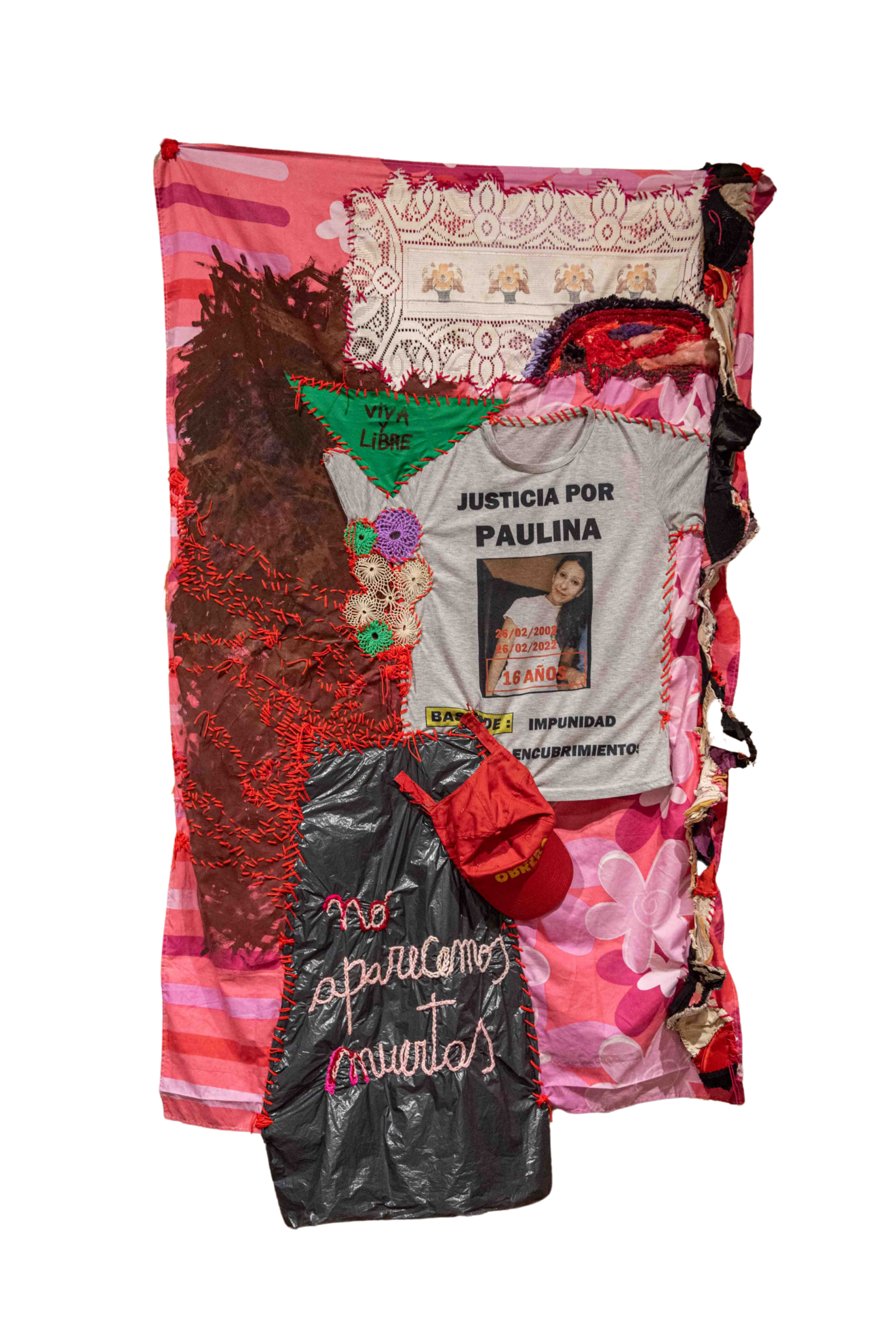
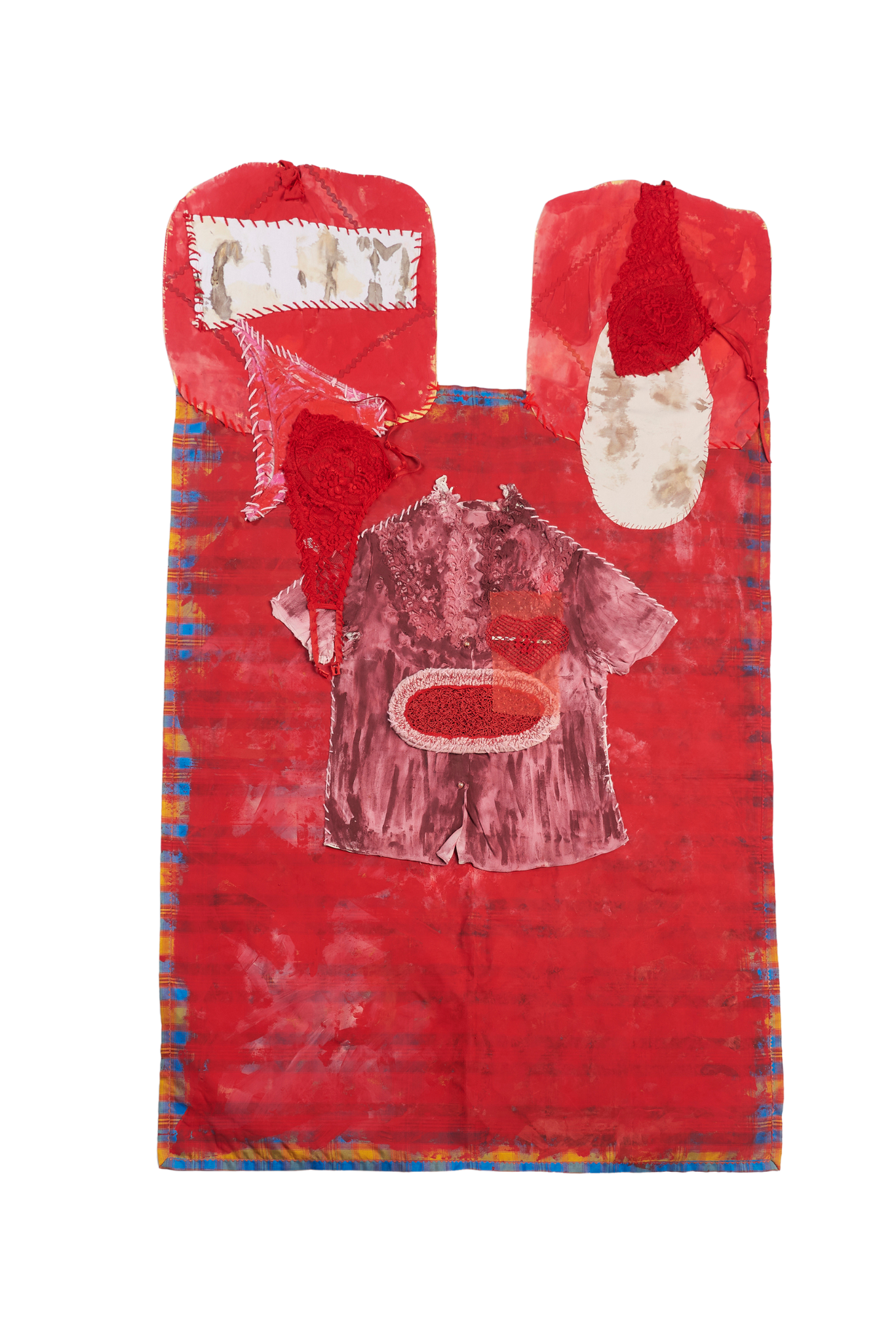
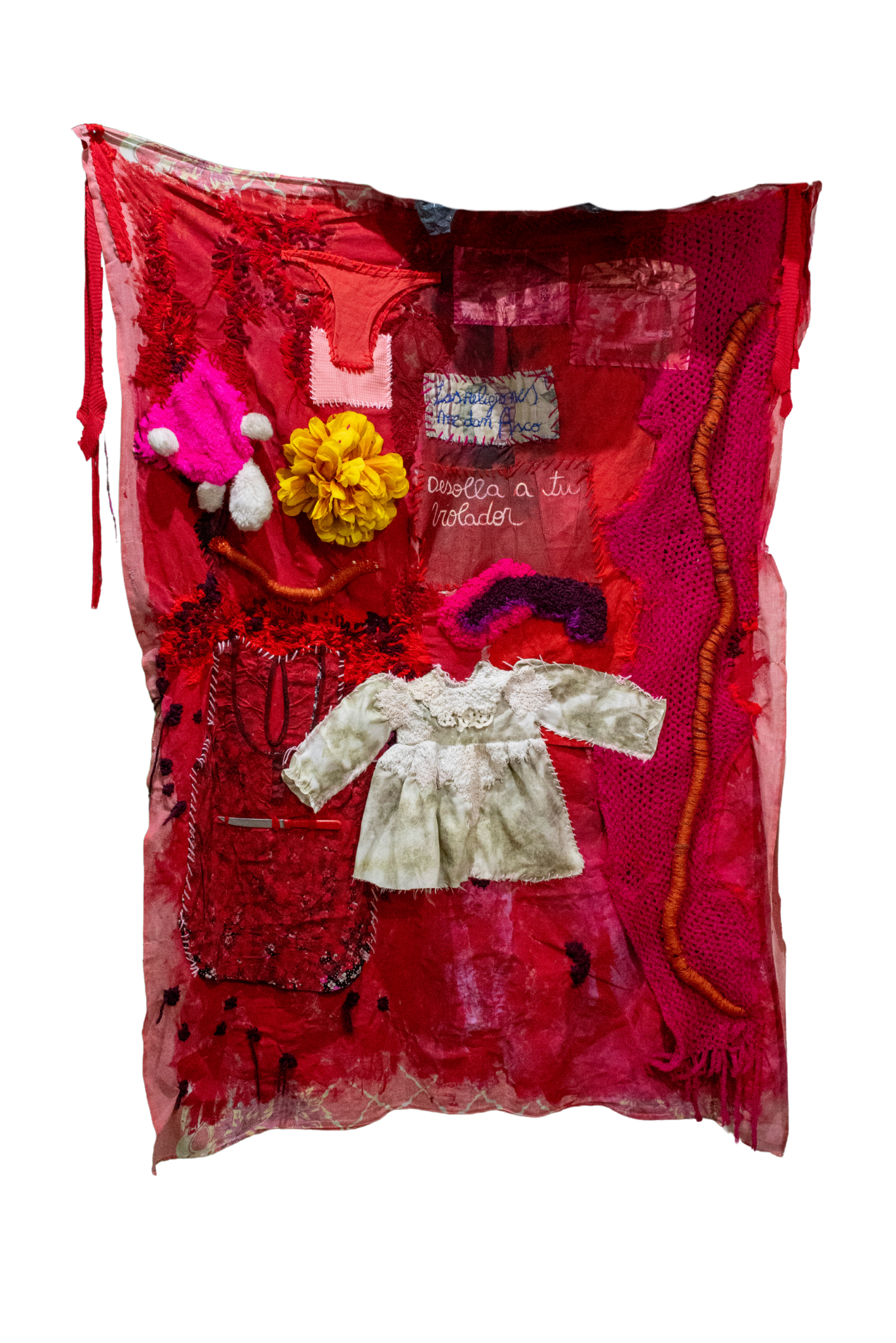
Jessica Morillo (Tucumán, 1987) is a visual artist, designer, and educator. Her practice focuses on textile art, which she approaches through multiple materials and formats, including installations, urban interventions, contemporary jewelry, and digital pieces. Her work activates textiles as a tool for denunciation, memory, and participation, exploring the personal, the collective, the educational, and the political, with a focus on gender struggles and dissidence. She has participated in solo and group exhibitions in Argentina and abroad and has received several awards in national and regional salons. These include honorable mentions at the National Salon of Visual Arts (Palais de Glace), the La Rioja Regional Salon, and the Timoteo Navarro Salon. In 2025, she was selected for the "Volverse herida" residency at the Kunayan Foundation (coordinated by Ana Gallardo). In 2024, she served on the jury for the CAAT Women's Salon and participated in the Itinerant Curatorships artist program. Morillo builds self-managed training spaces around textiles and jewelry, from where he proposes collaborative practices that make oppressions visible and weave new forms of resistance.
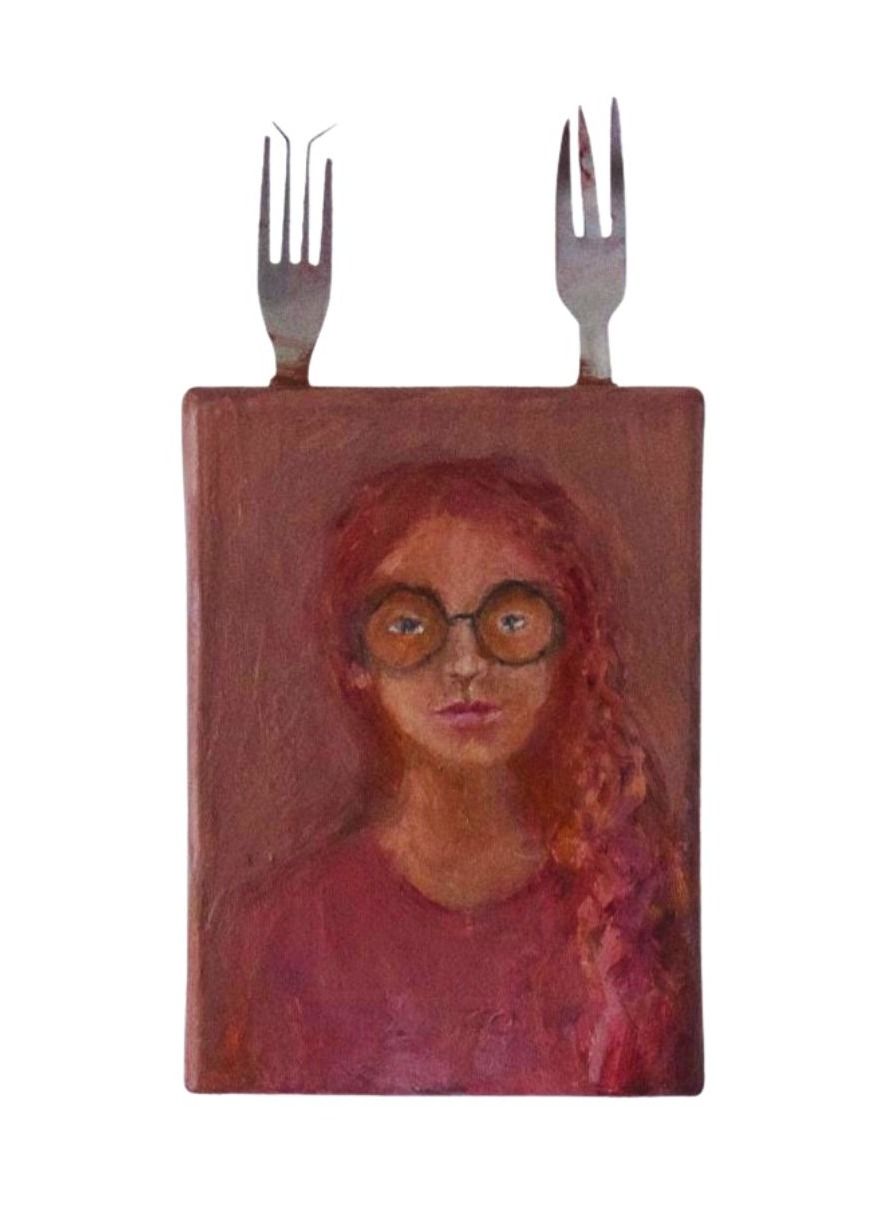
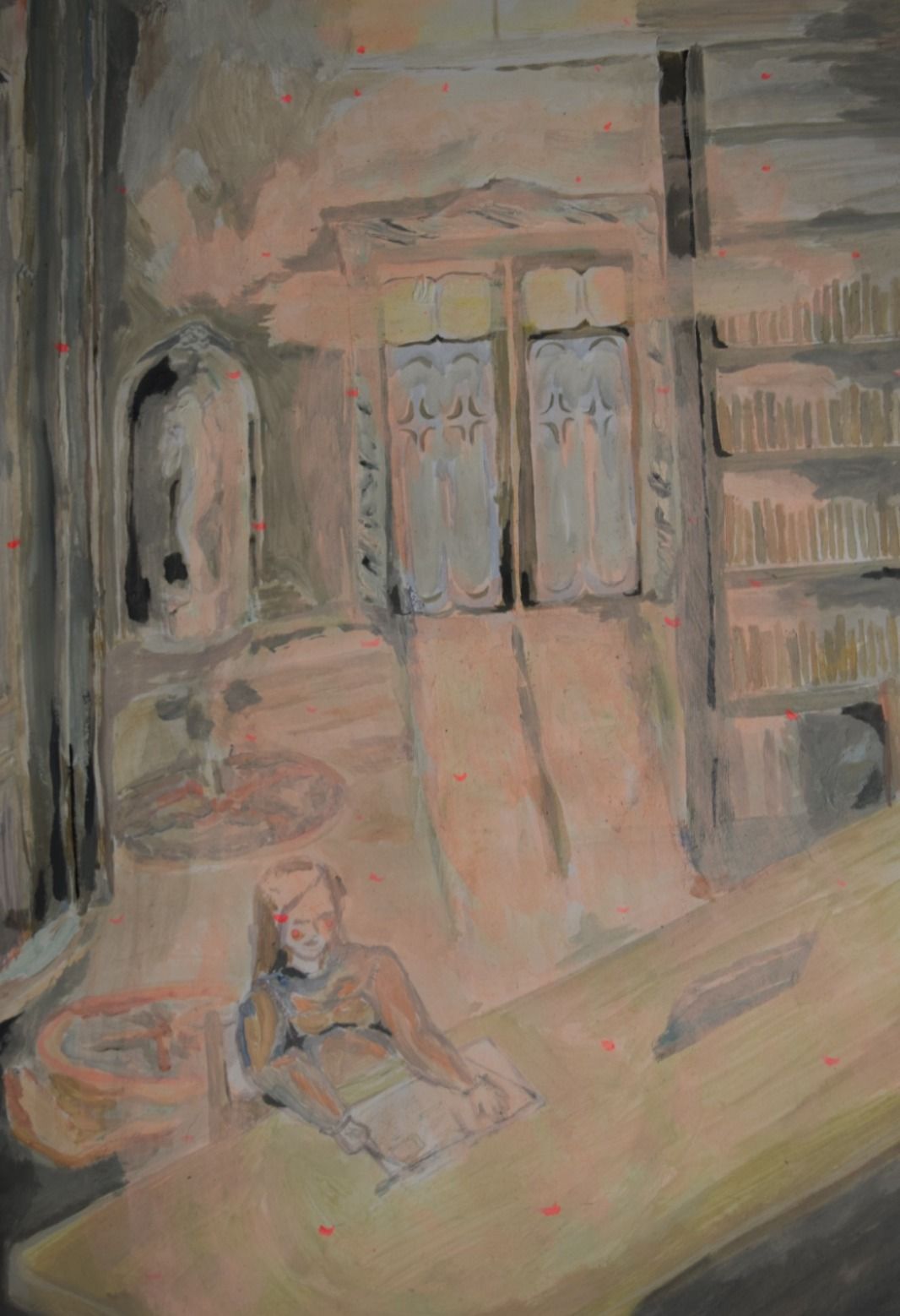
He studied plastic arts and psychopedagogy at the University of Haifa where he found a safe place for experimentation and expression from diversity. Surrounded by women with different cultural and ethnic backgrounds, she produces her first works with a perspective on the feminine. It is received in 2015 with honors with a specialty in painting and engraving and its sample is awarded with the 2nd scholarship of excellence from the faculty. Finishing his Master in Curatorship at the University of Haifa, he decides to return to Tucumán. He participated in numerous group shows in Haifa and Tucumán. His works are part of private collections in Guatemala, Israel, Spain, the United States, Brazil and Argentina.
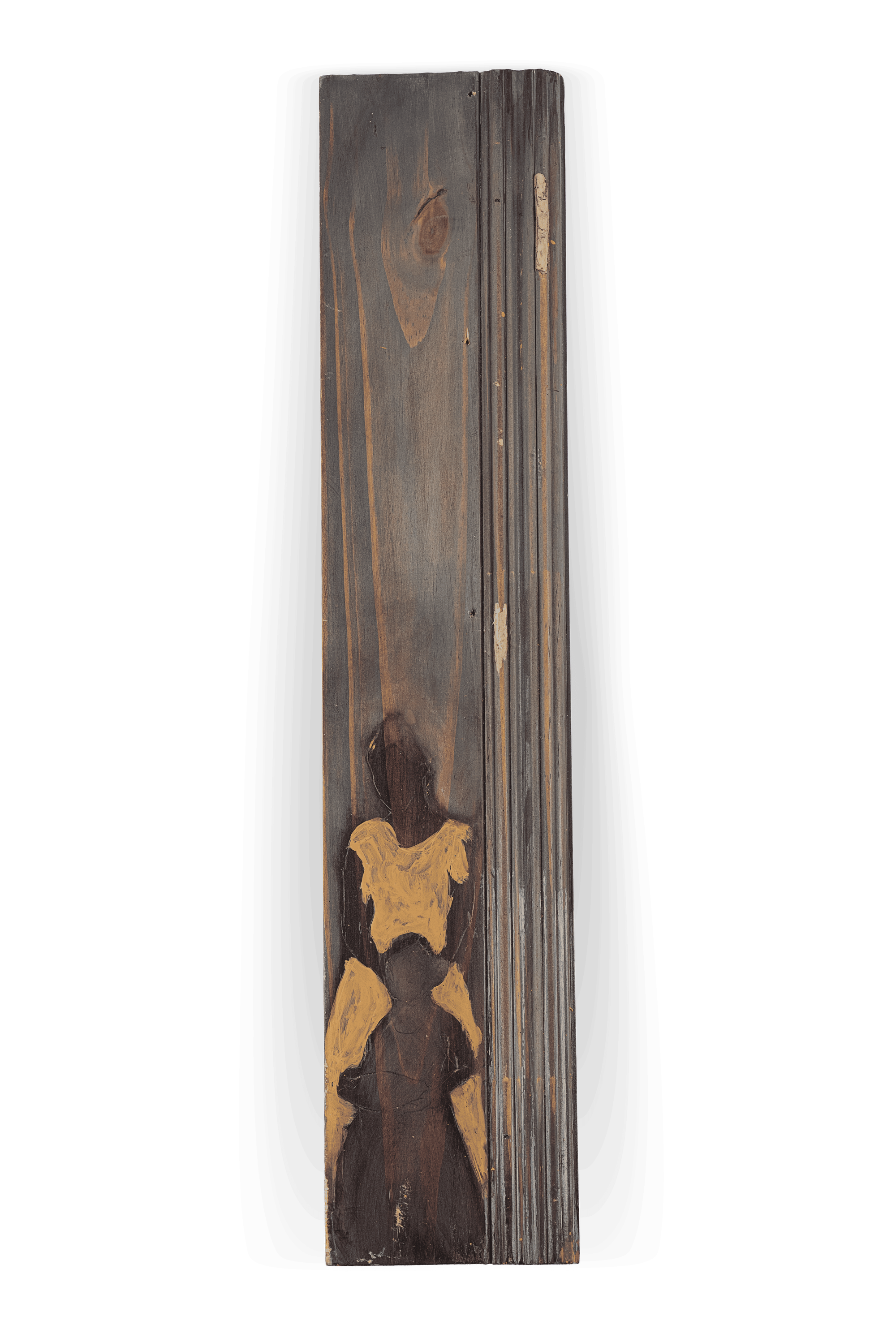
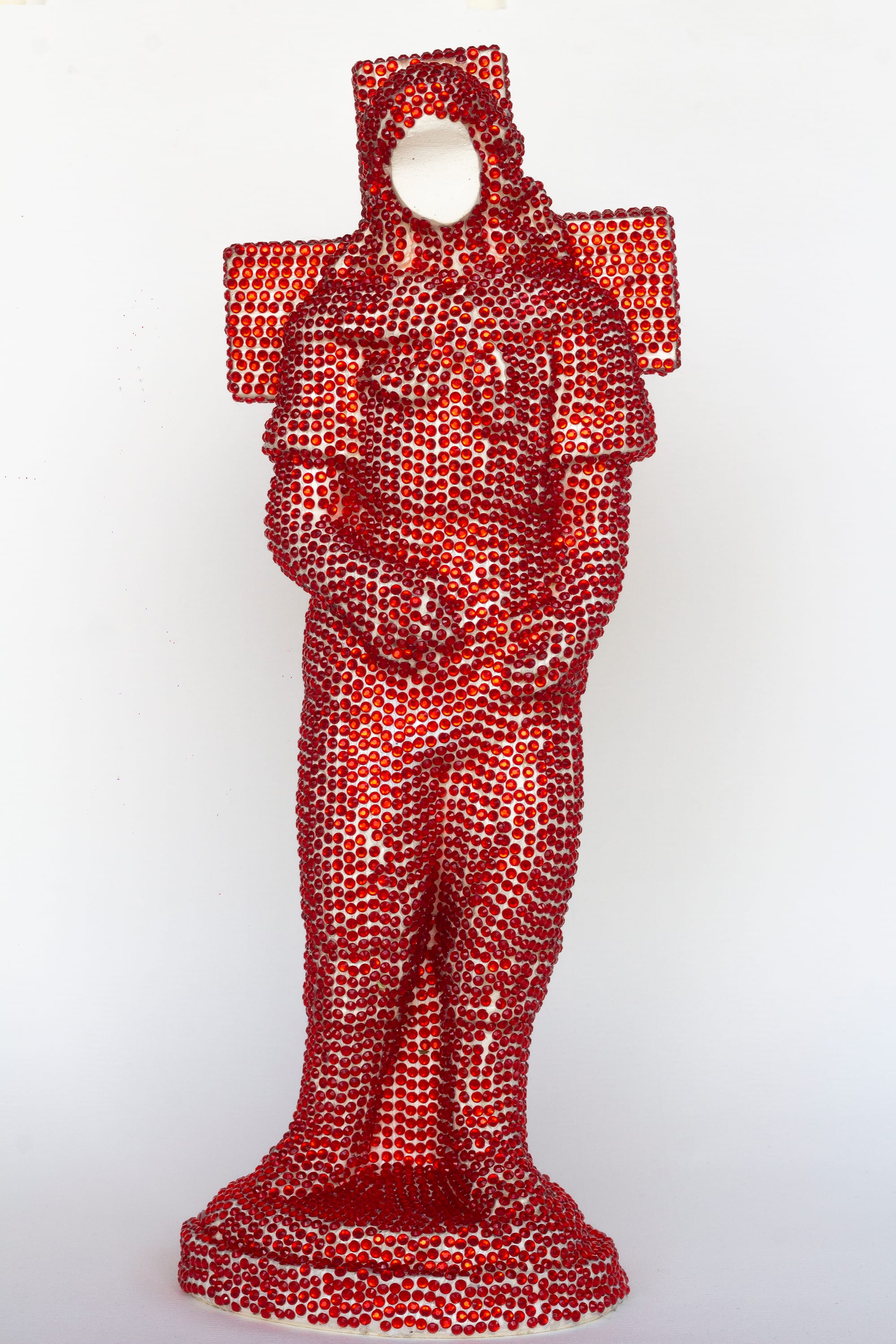
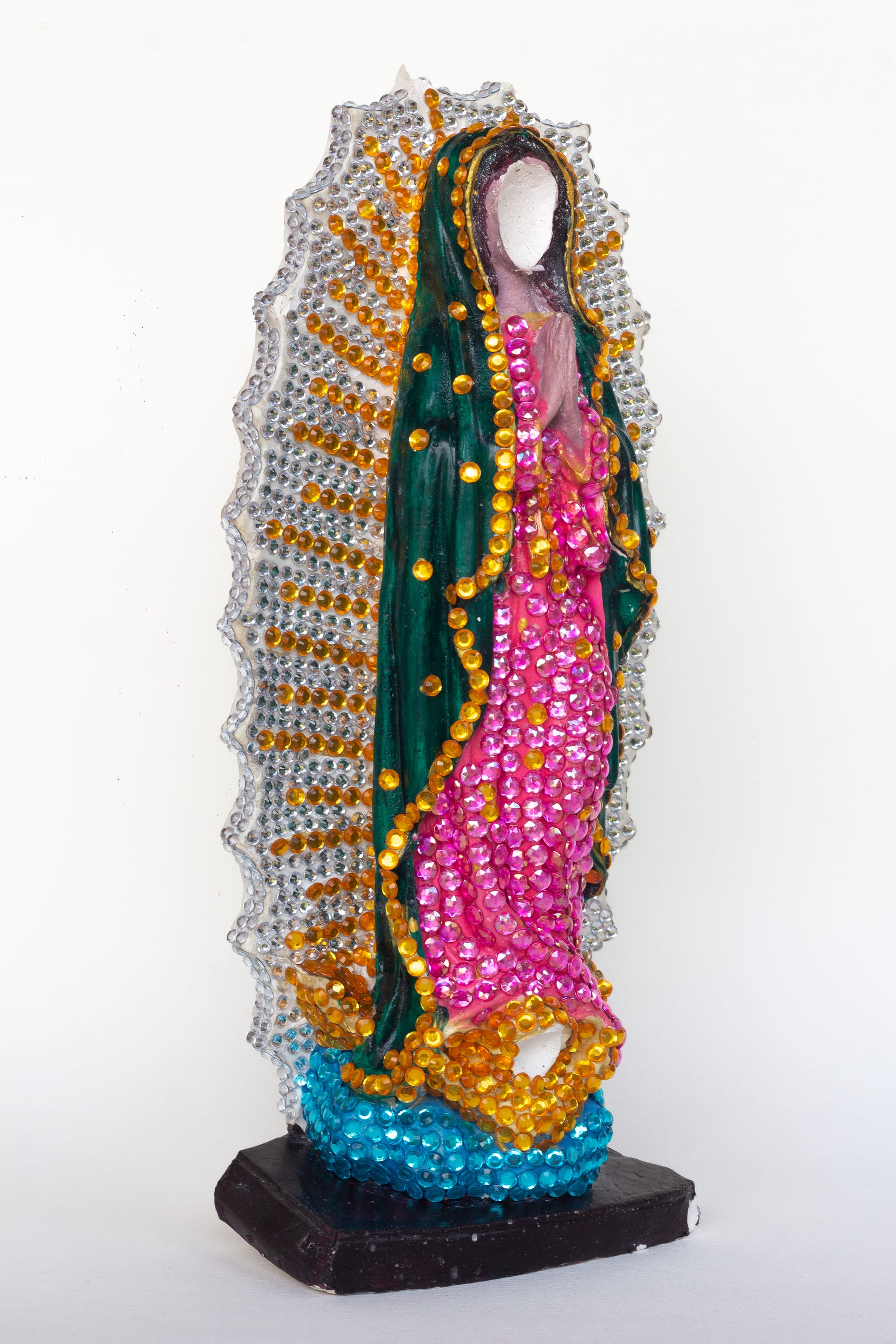
Visual artist and teacher. She holds a degree in Arts (UNSAM) and is a Visual Arts Professor (EBA). She is currently pursuing a specialization in Northwest Argentine Cultures (FFyL–UNT) and in Contemporary Artistic Production (FA–UNC). She has participated in residencies, national and regional exhibitions, and is part of the organizing committee for Convergencias – Regional Performance Encounter in Northwest Argentina. She has received grants and awards from the National Arts Fund, the Tucumán Cultural Authority, and the Faculty of Arts of the UNT. She lives and works in Tucumán, where she develops a practice that articulates contemporary art, research, and territory. Her work begins with everyday objects and practices, constructing altars, ephemeral landscapes, and cycles of transformation. She explores, through the body, rituals and the ways in which memory is inscribed on matter, through actions of collecting, intervening in, and activating materials linked to the intimate, the sacred, and the collective. In the series Rituals for Disappearing Sacred Images, she works with devotional iconography—statues, holy cards, and soaps—through processes of erasure and erosion. She sands faces to disrupt their identification and displace the sacred into the material, while in the soaps, the image erodes with use until it disappears. These actions challenge the persistence of the religious in the cultural imagination and propose disappearance as a process of transformation, where the image is not eliminated, but rather displaced and reappears in new forms.
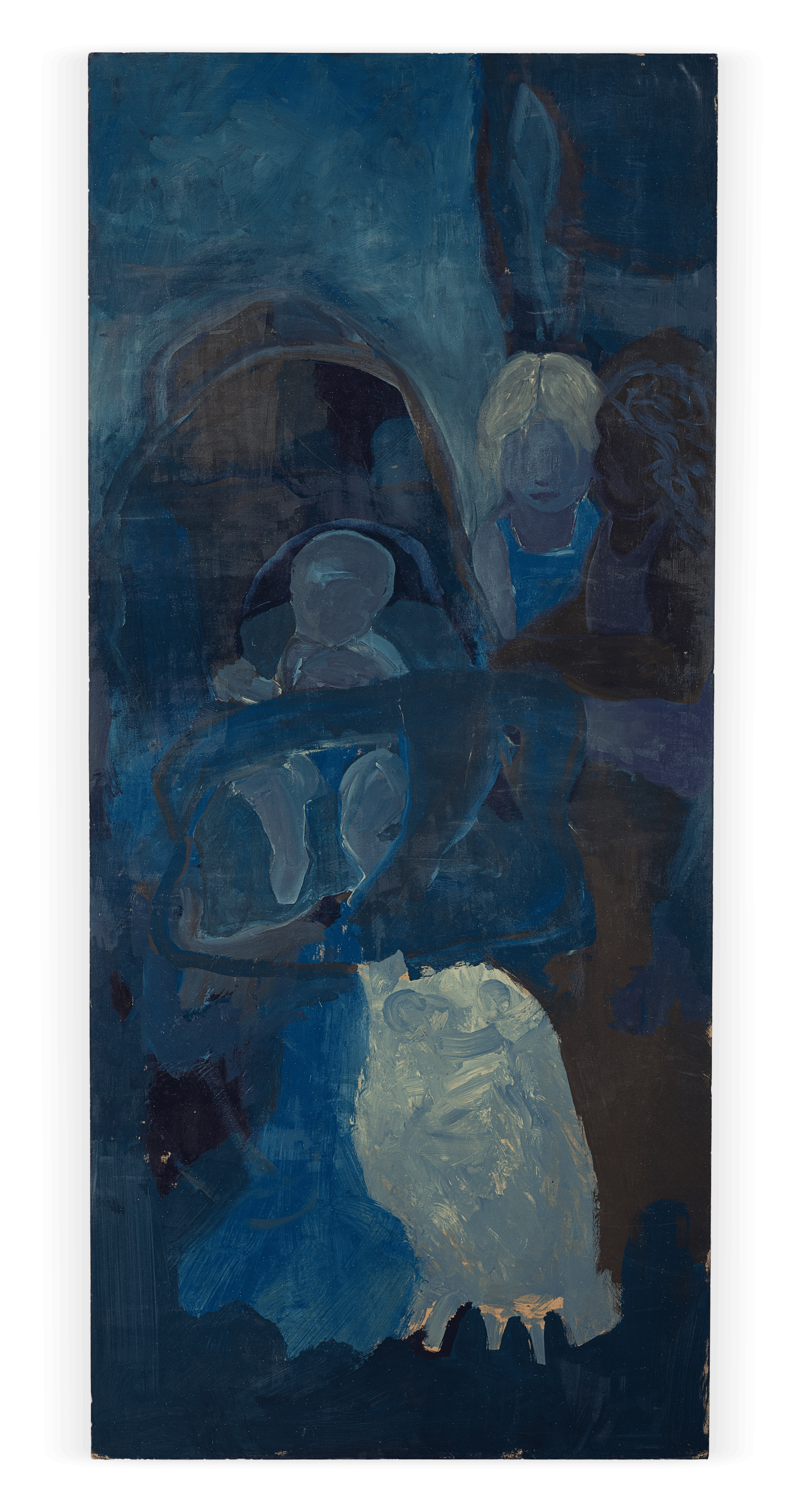
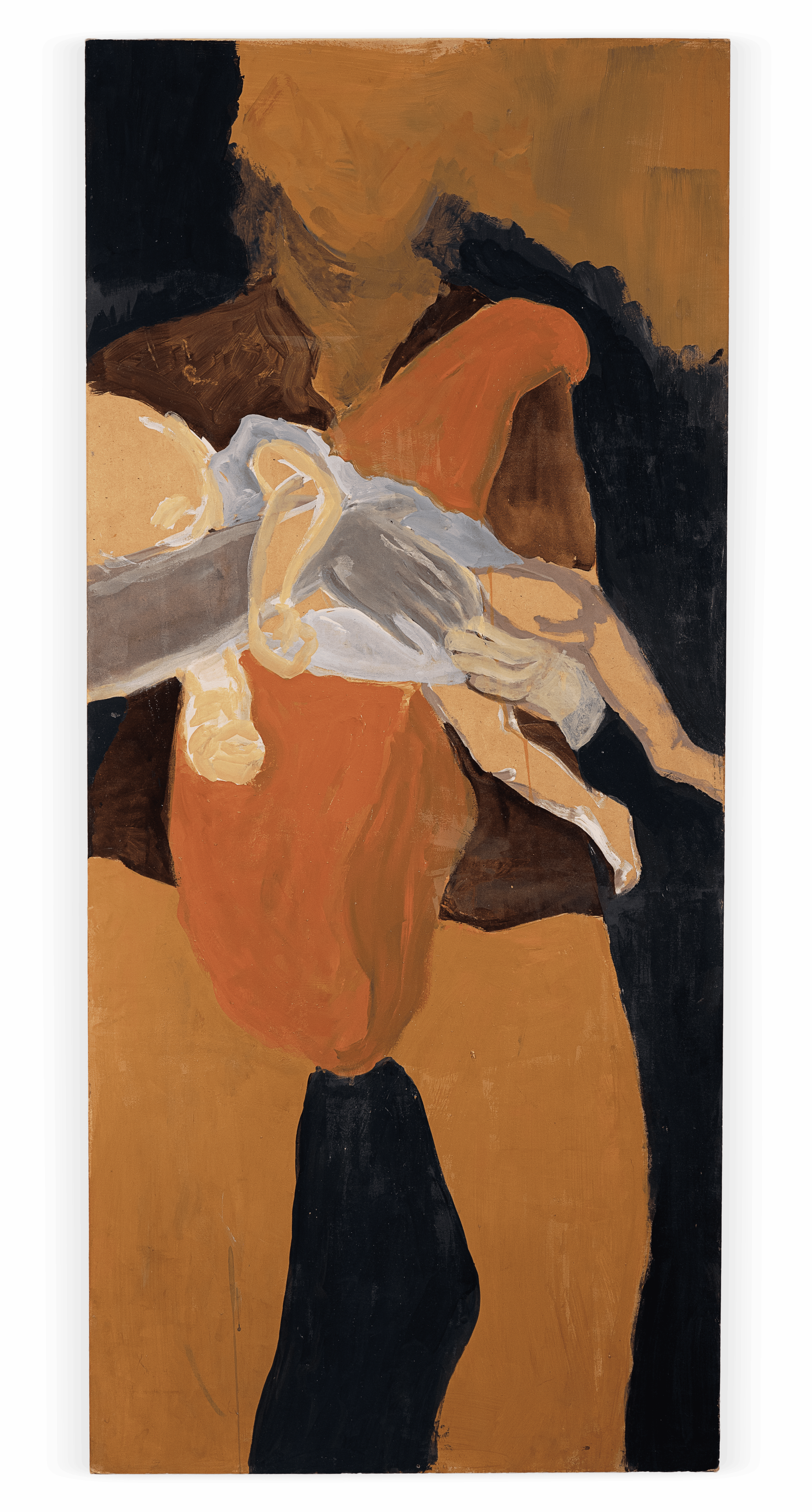
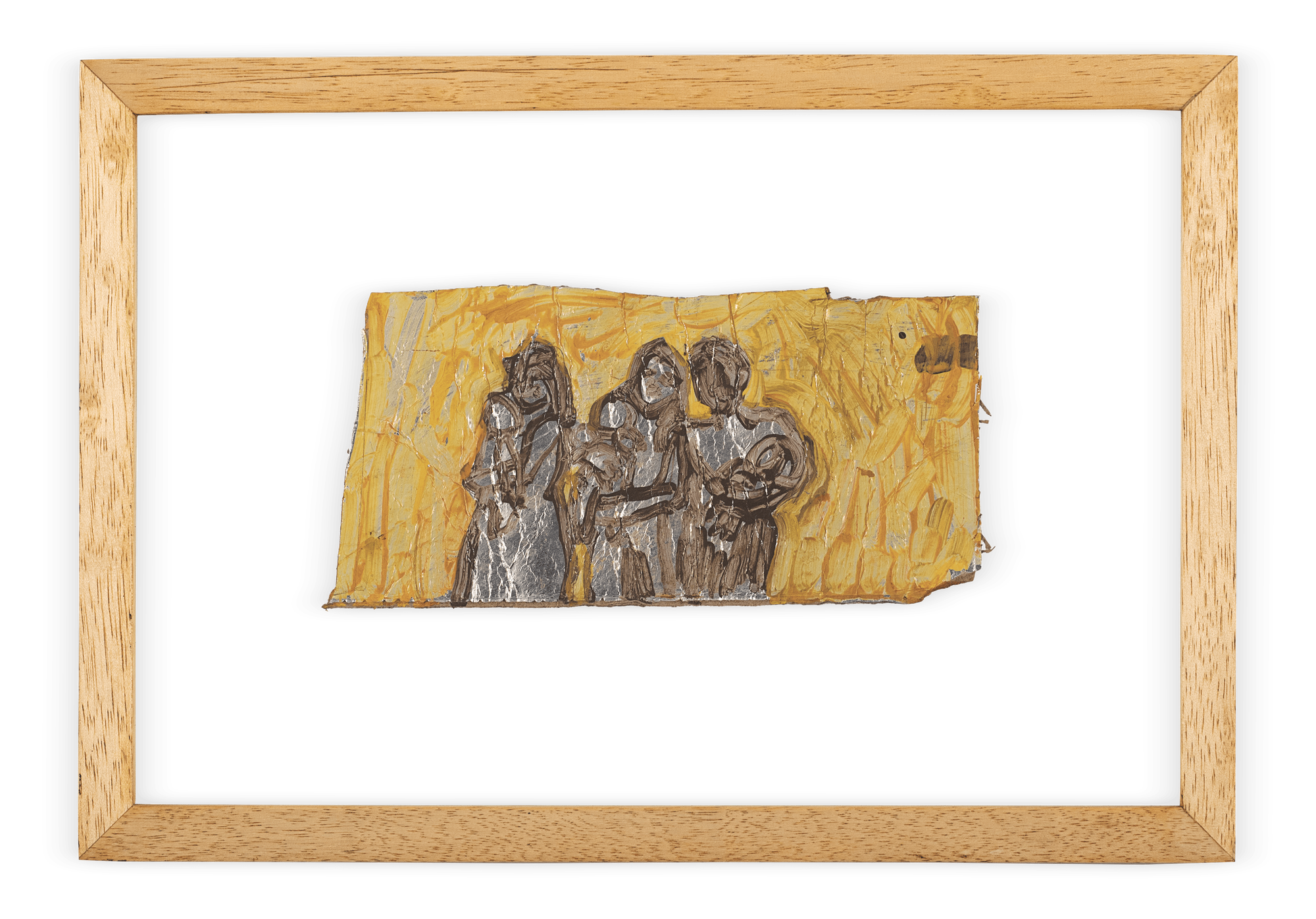
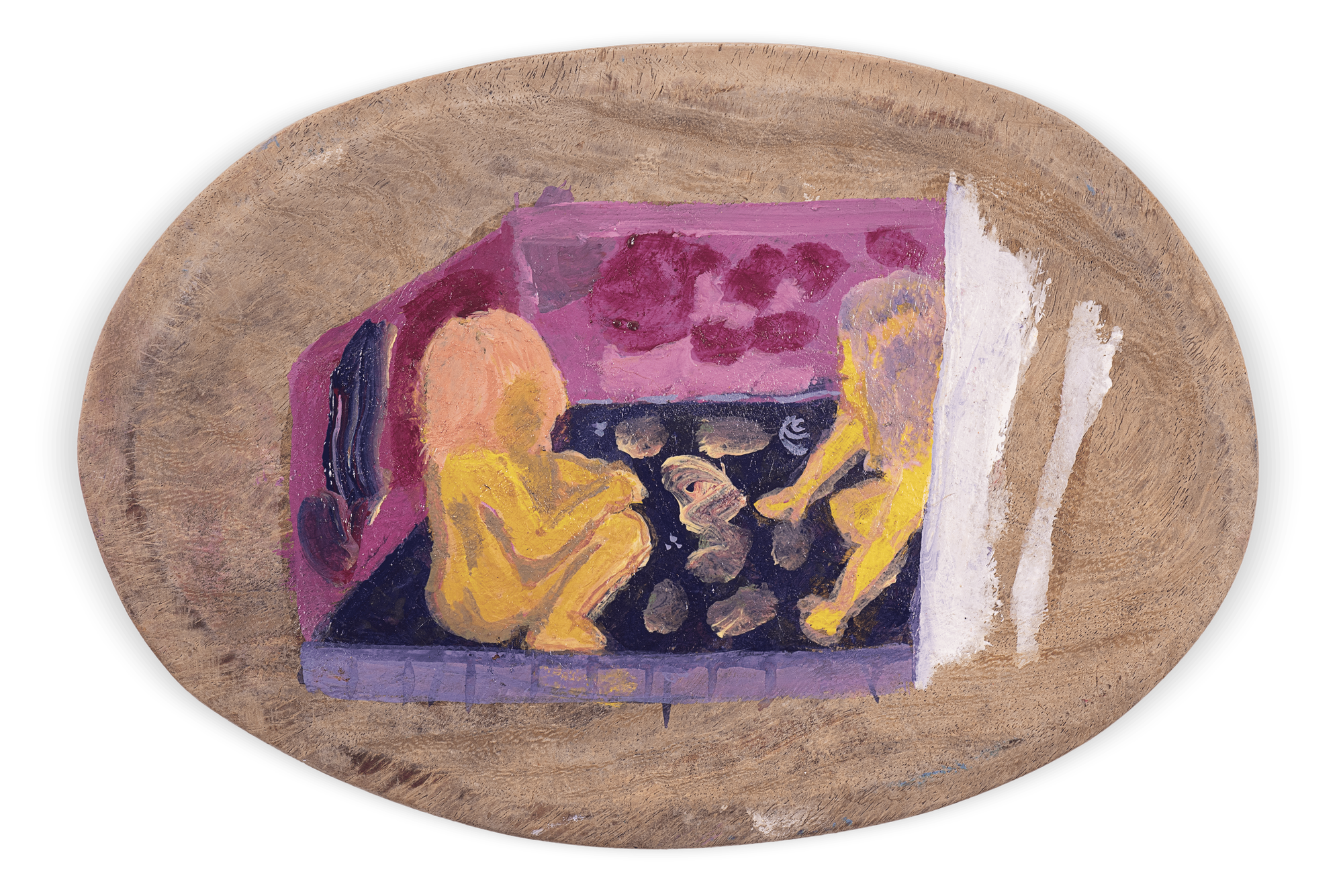
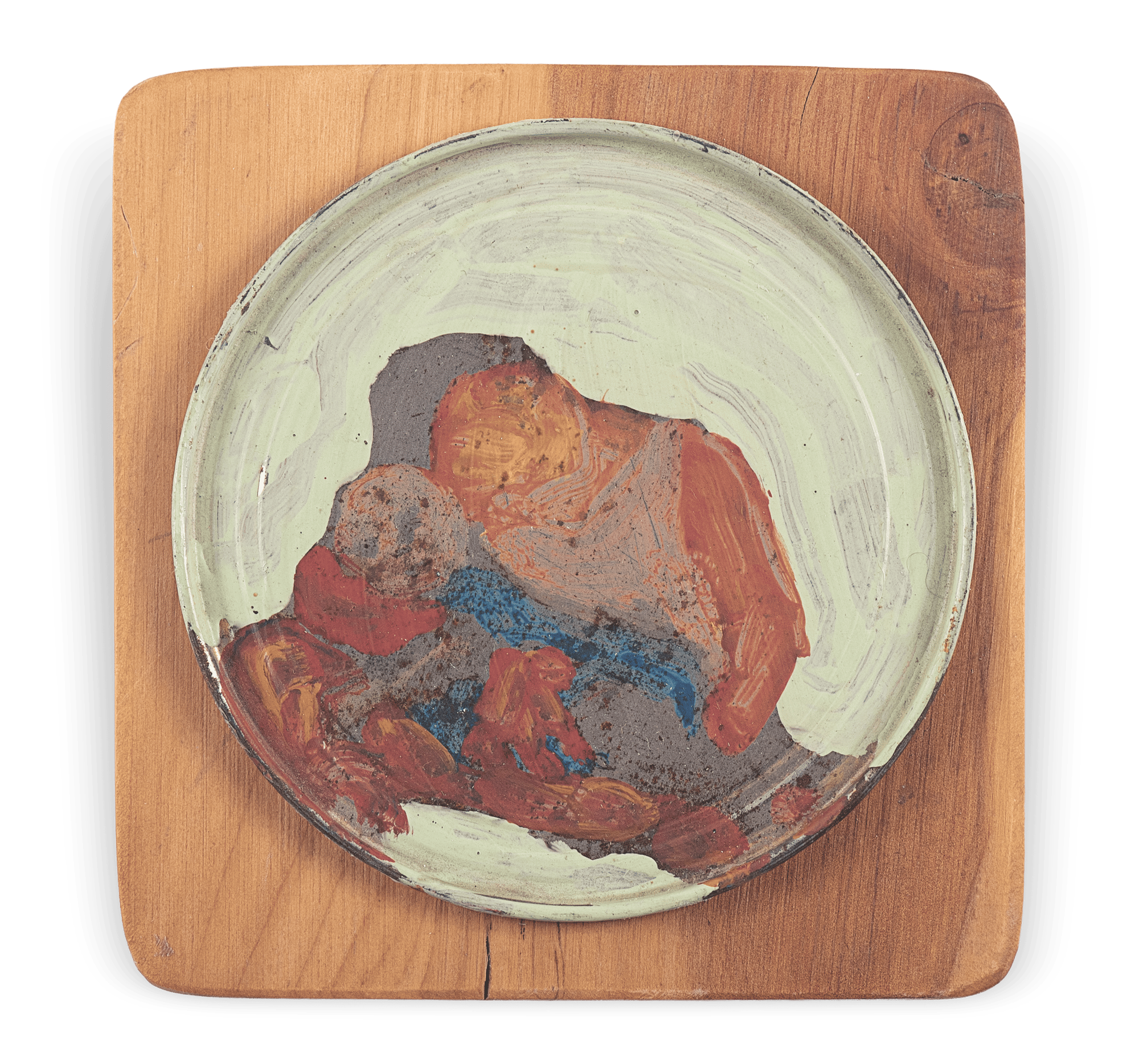
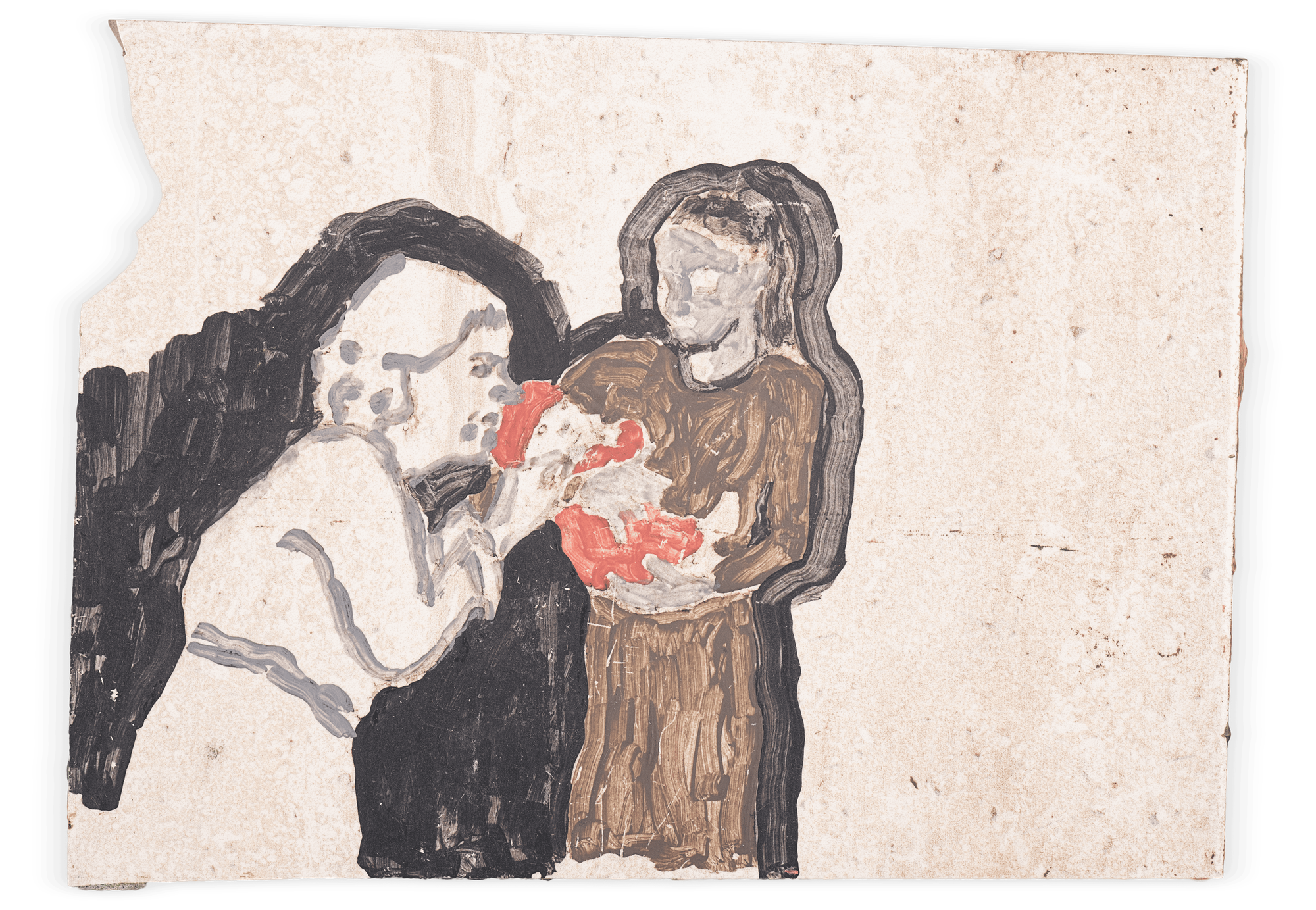
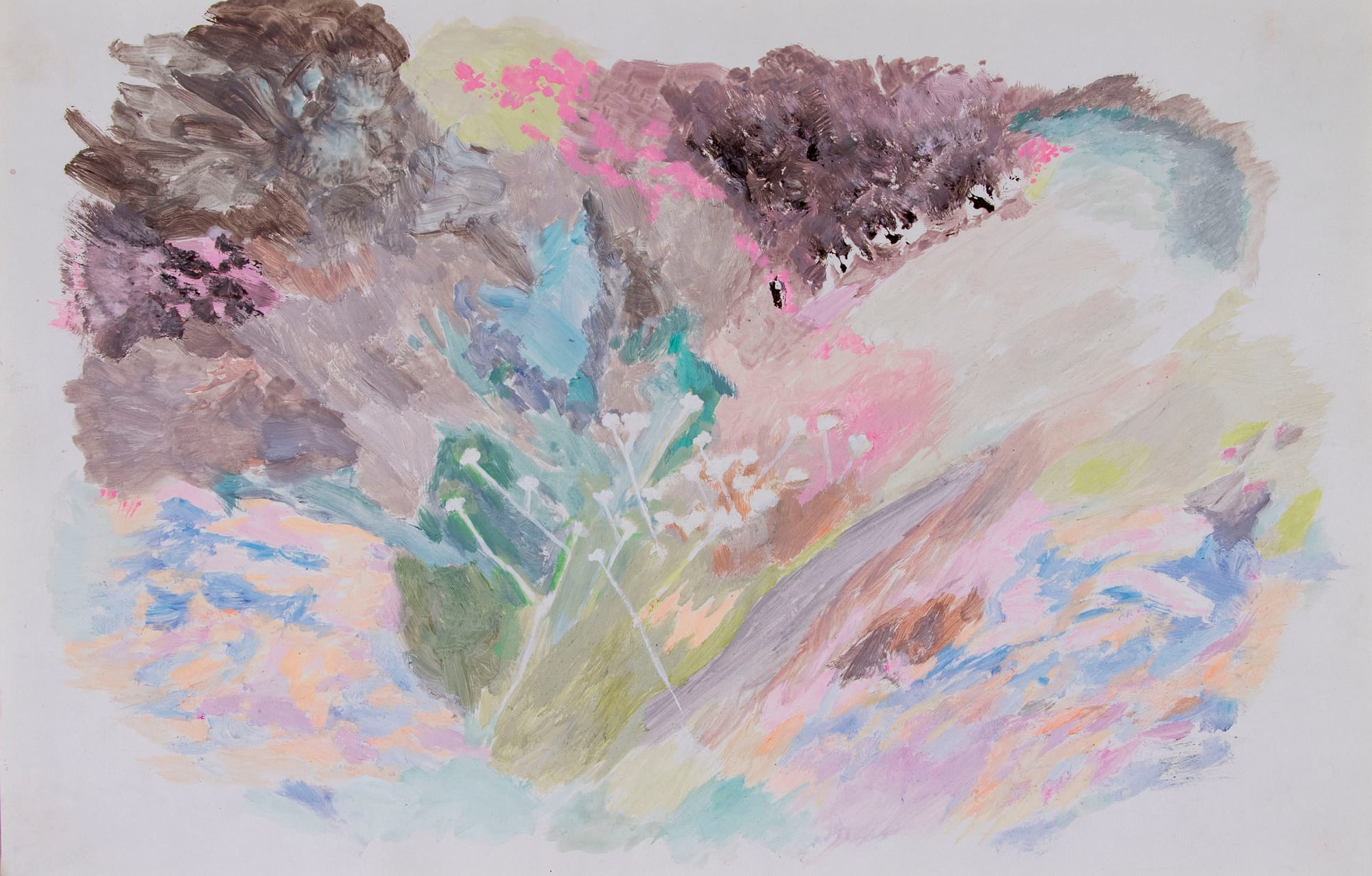
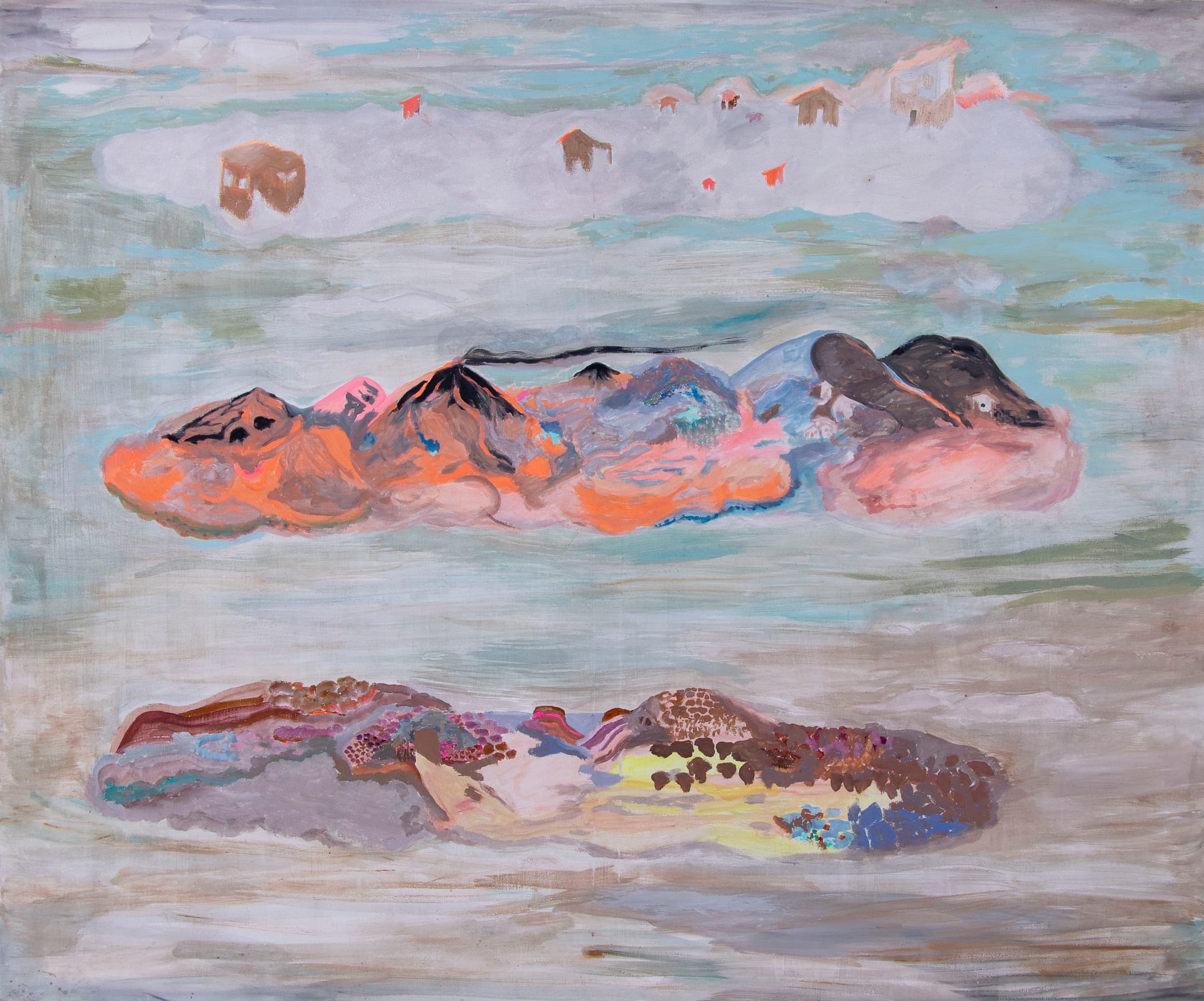
A graduate in Fine Arts from the National University of Tucumán and a doctoral candidate in History and Theory of the Arts at the University of Buenos Aires, Antonella Aparicio develops a practice that articulates painting, writing, music, and documentary recording, focusing on the intersections between image, narrative, and territory. Since 2005, she has participated in contemporary art projects such as TRAMA, La Guarda, El Rancho Galería, Taller C, and the Gente no Convencida collective, and has conducted workshops and residencies with leading figures in the art world. She has received grants and awards from the National Endowment for the Arts, the Williams Foundation, CONICET (National Scientific and Technical Research Council), and the Cannes Film Festival. Her work has been exhibited in galleries, museums, and national art fairs, and is part of private collections. Her work explores how to assign value to materials and cultural forms outside of mainstream circuits. Through painting, installation, and construction, she activates immersive experiences where the visual intersects with the spatial, the sonic, and the corporeal. In her recent work, painting has become a central focus of experimentation: she combines diverse materials—acrylics, minerals, clays, and inks—on surfaces where precariousness and formal intensity coexist. With the series Prophetic Ranches, she explores art's potential to imagine other possible scenarios, affirming desire and creativity as forms of resistance.