Utopia of Paradise - Flor Costello
Utopia of paradise
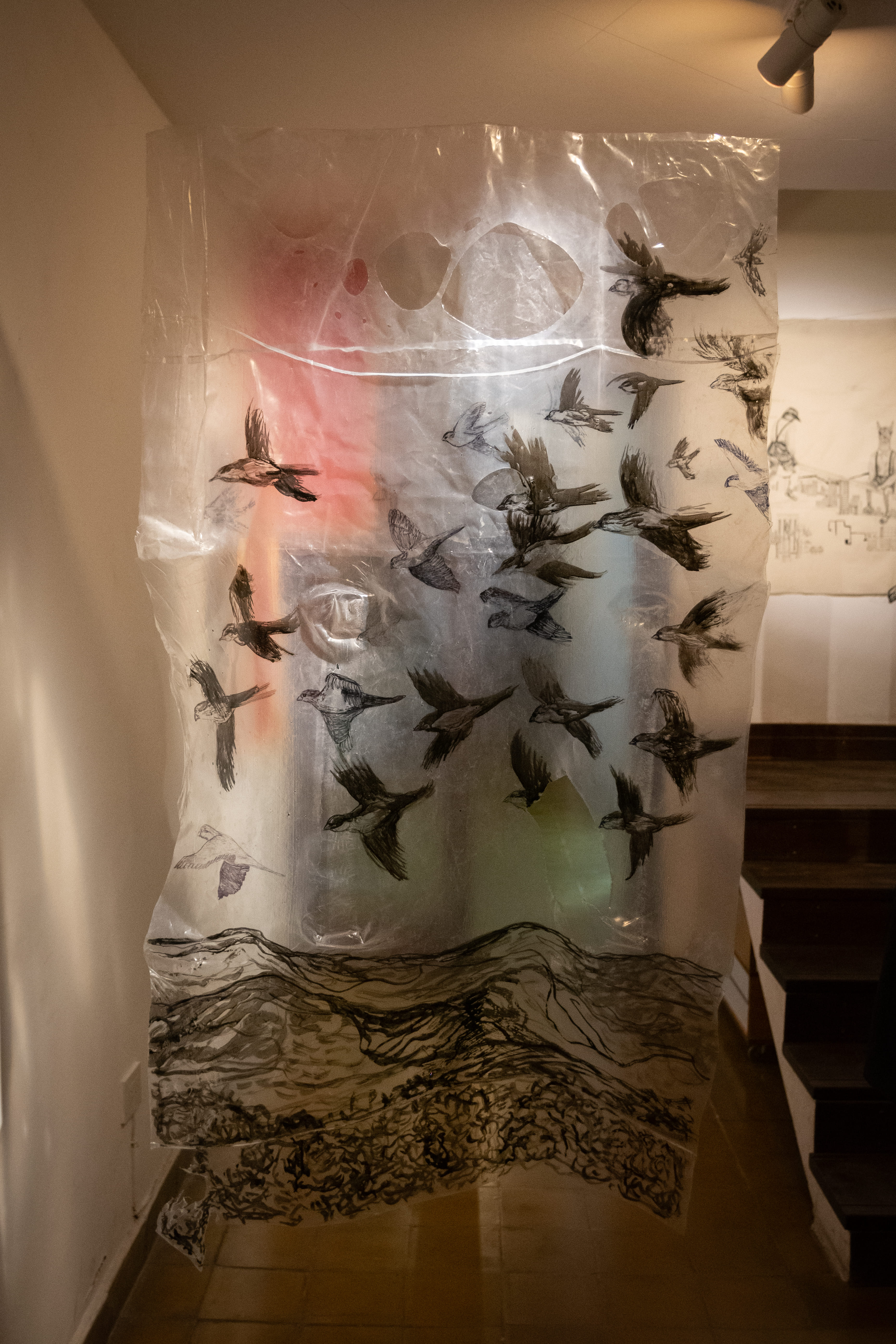
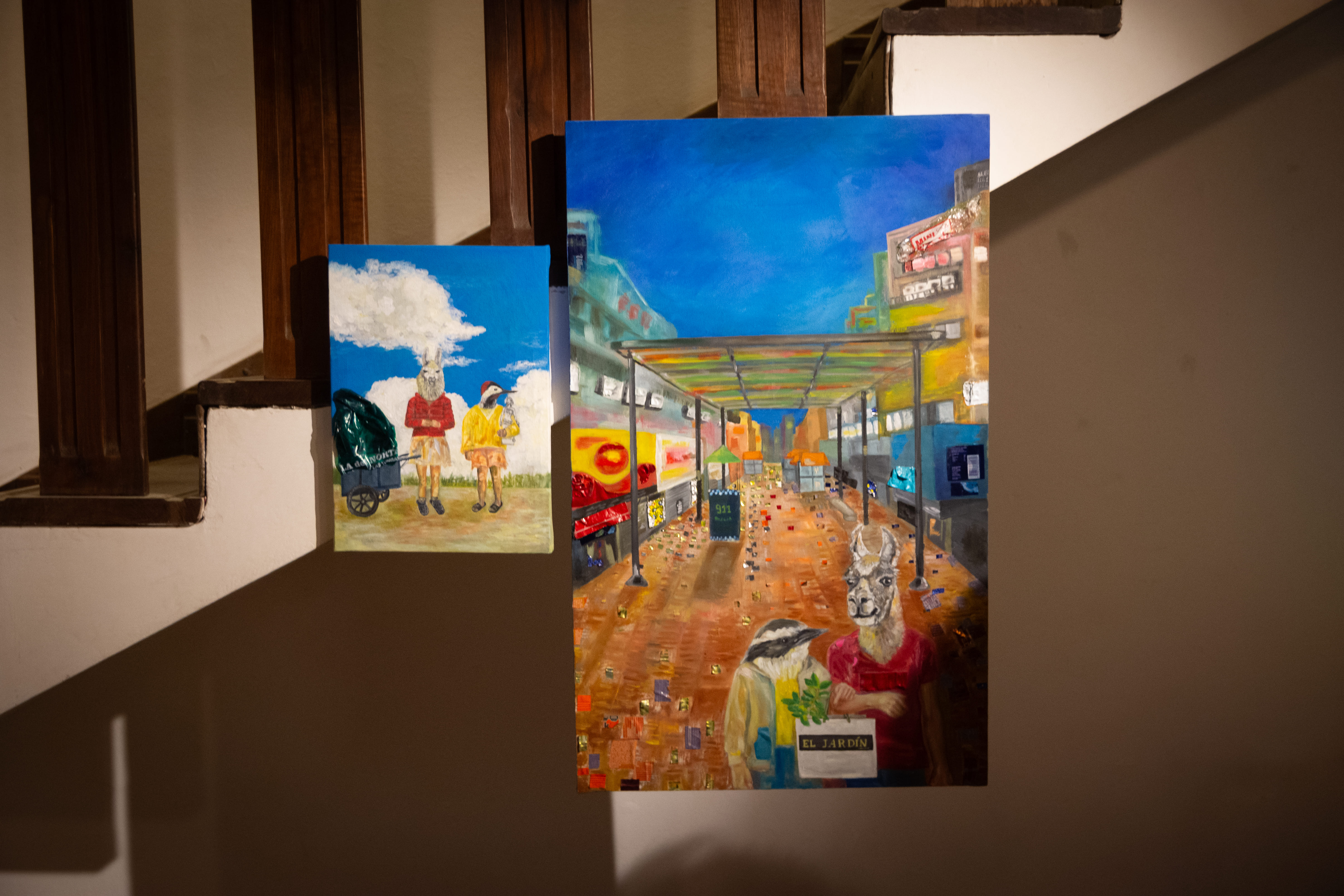
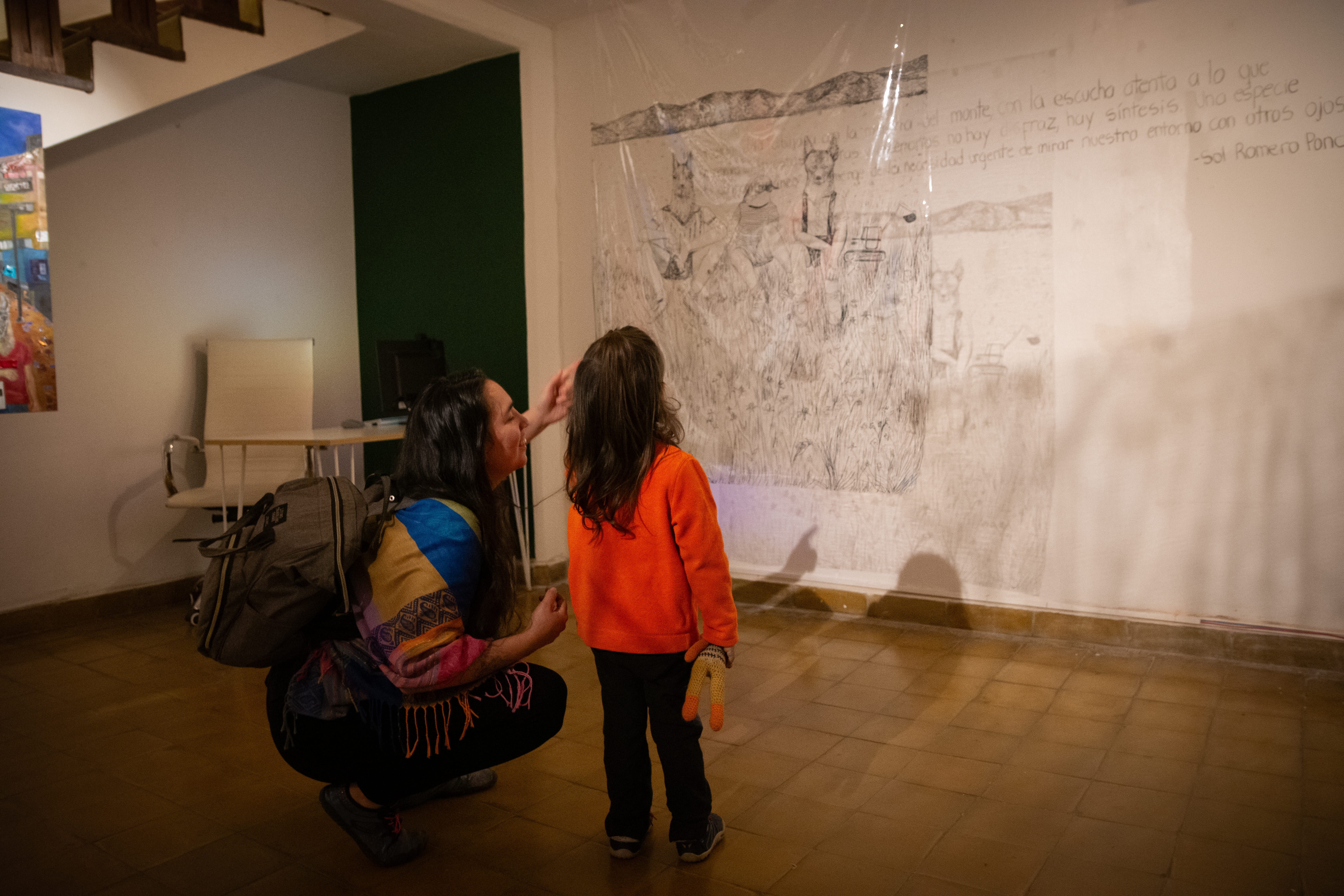
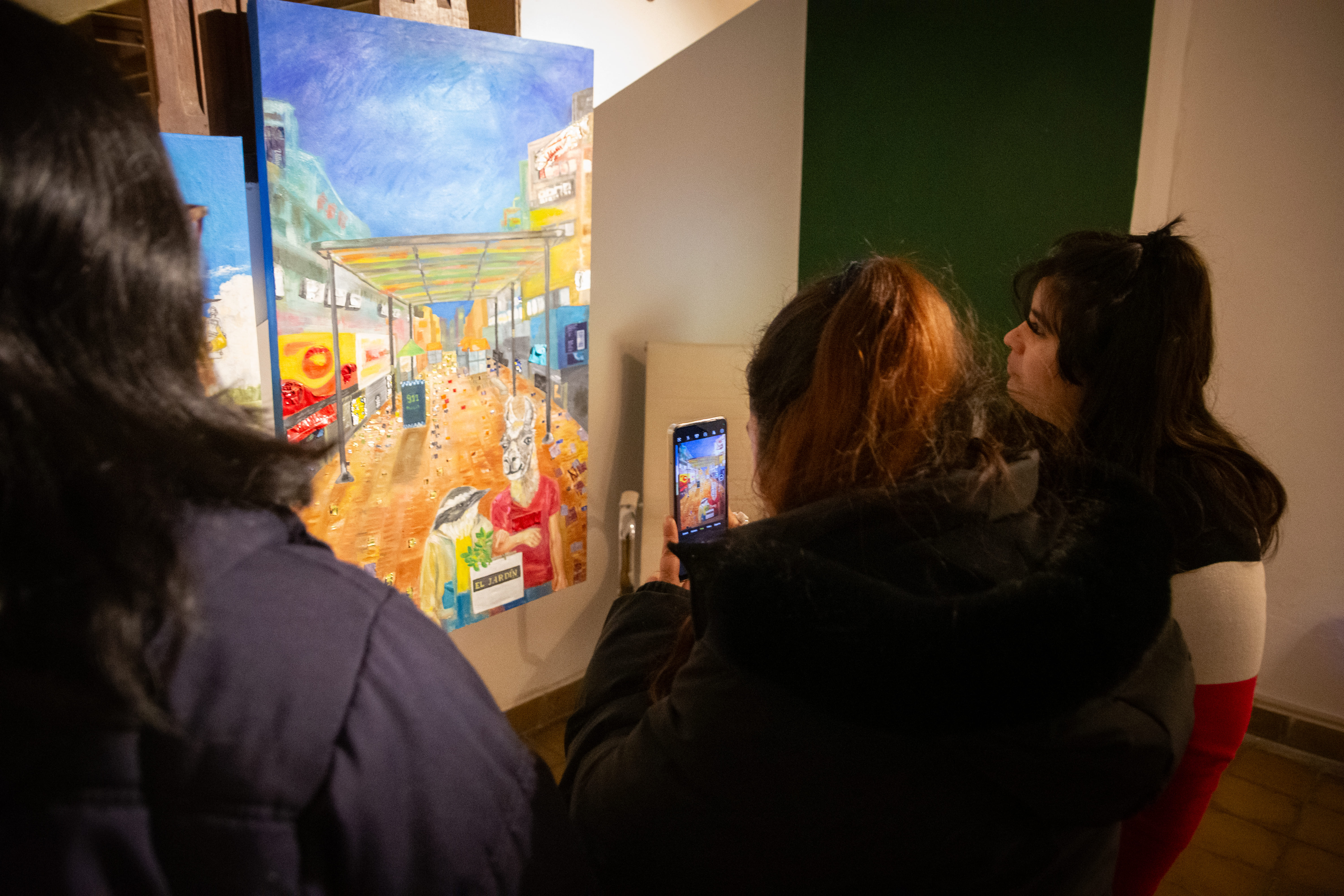
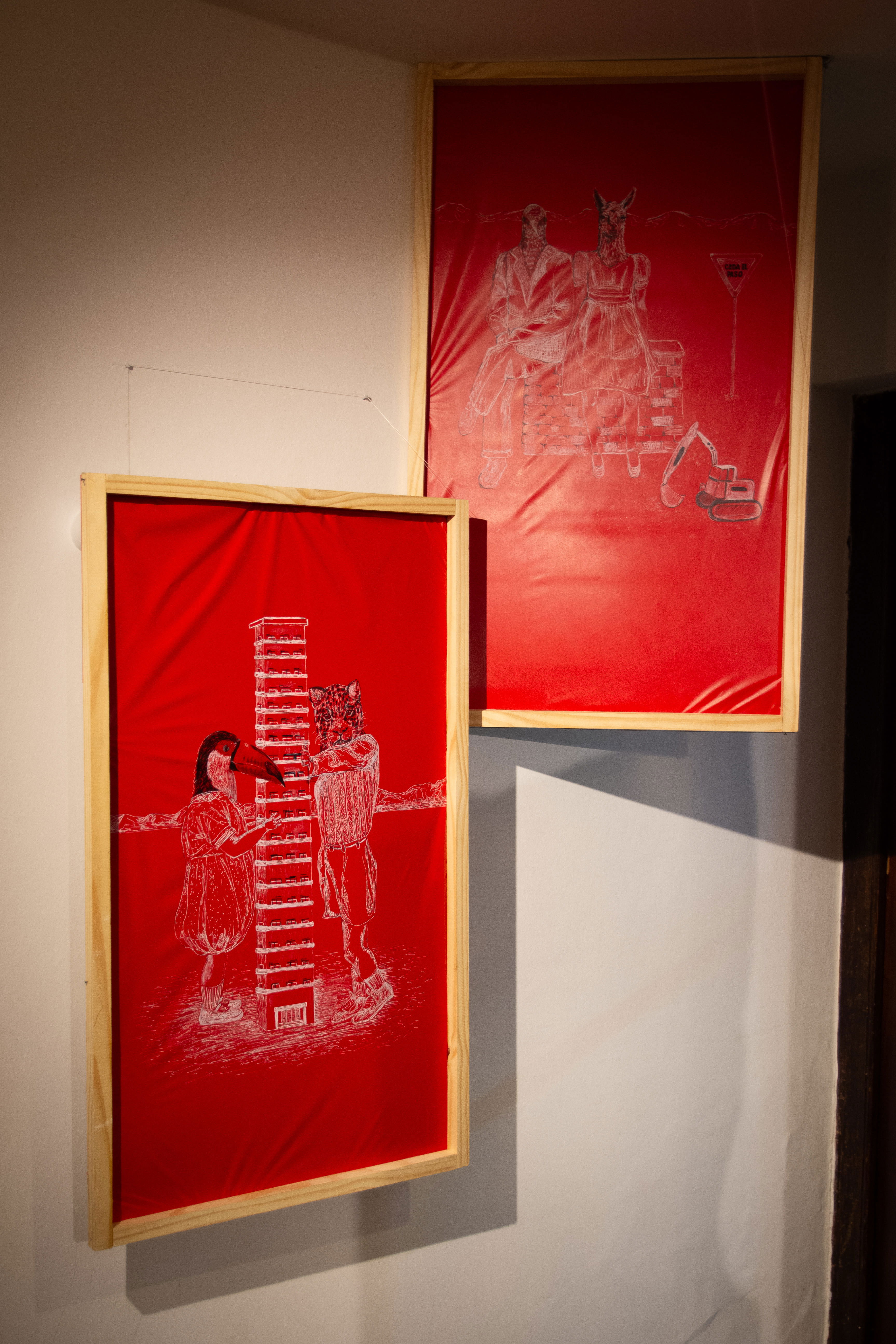
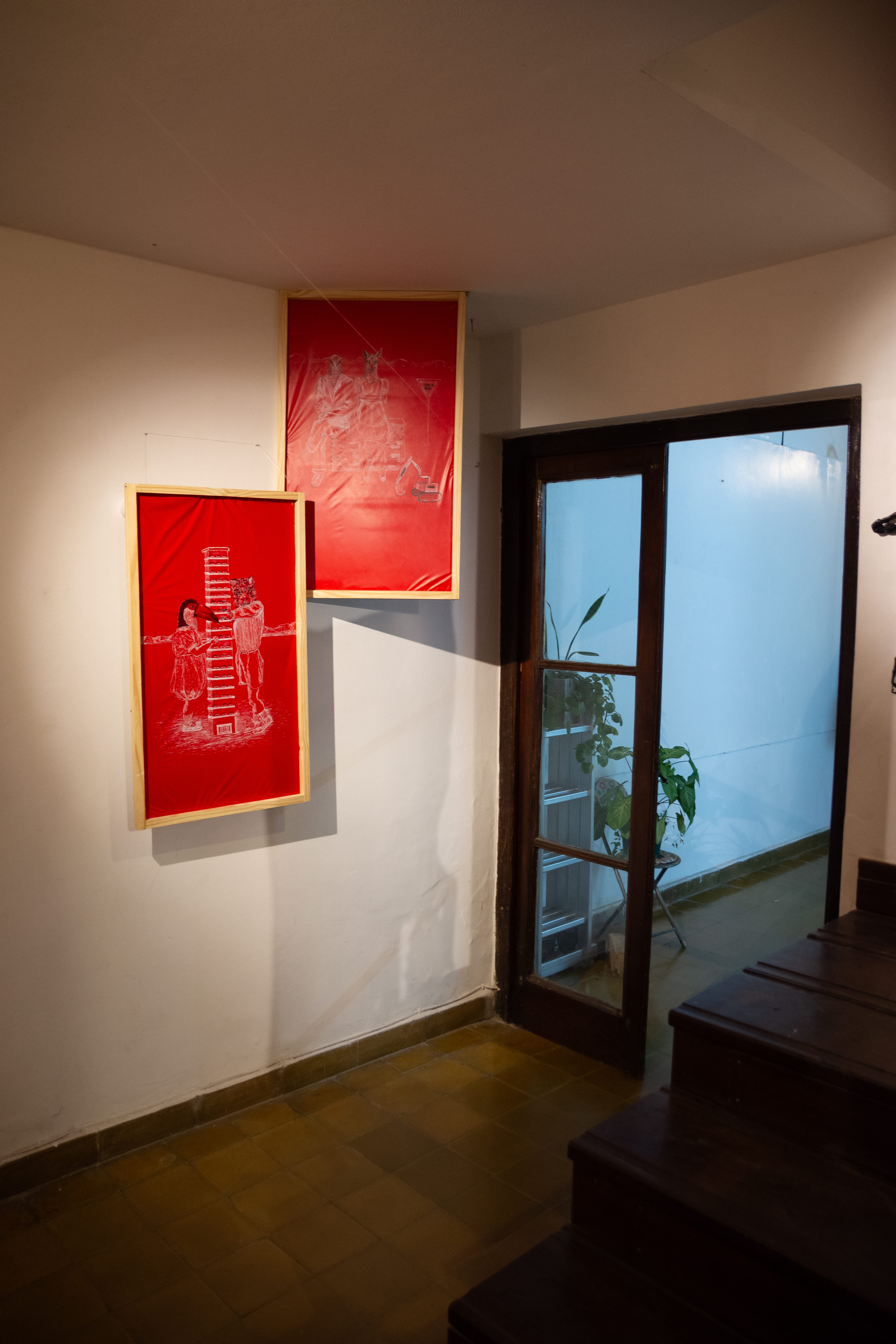
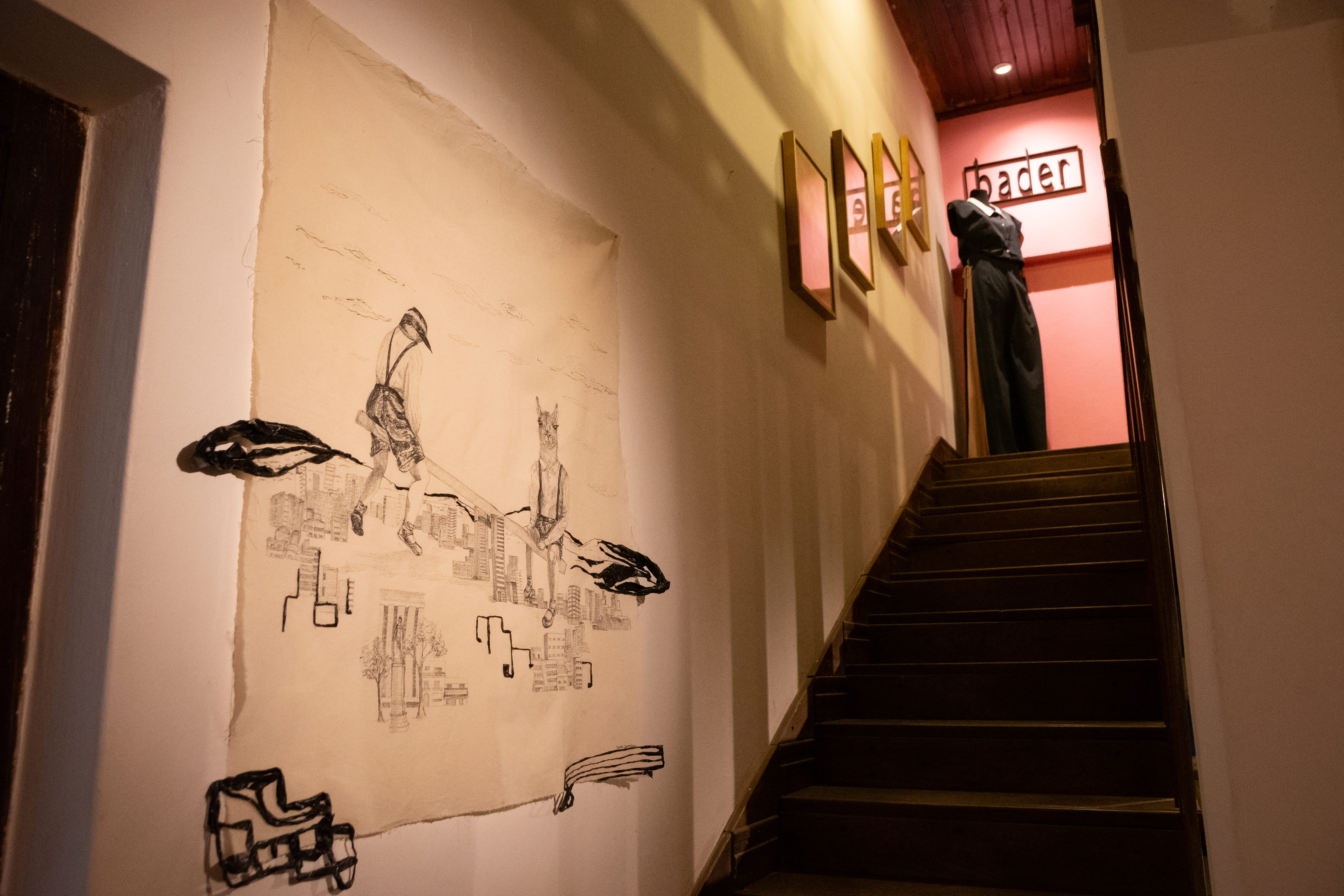
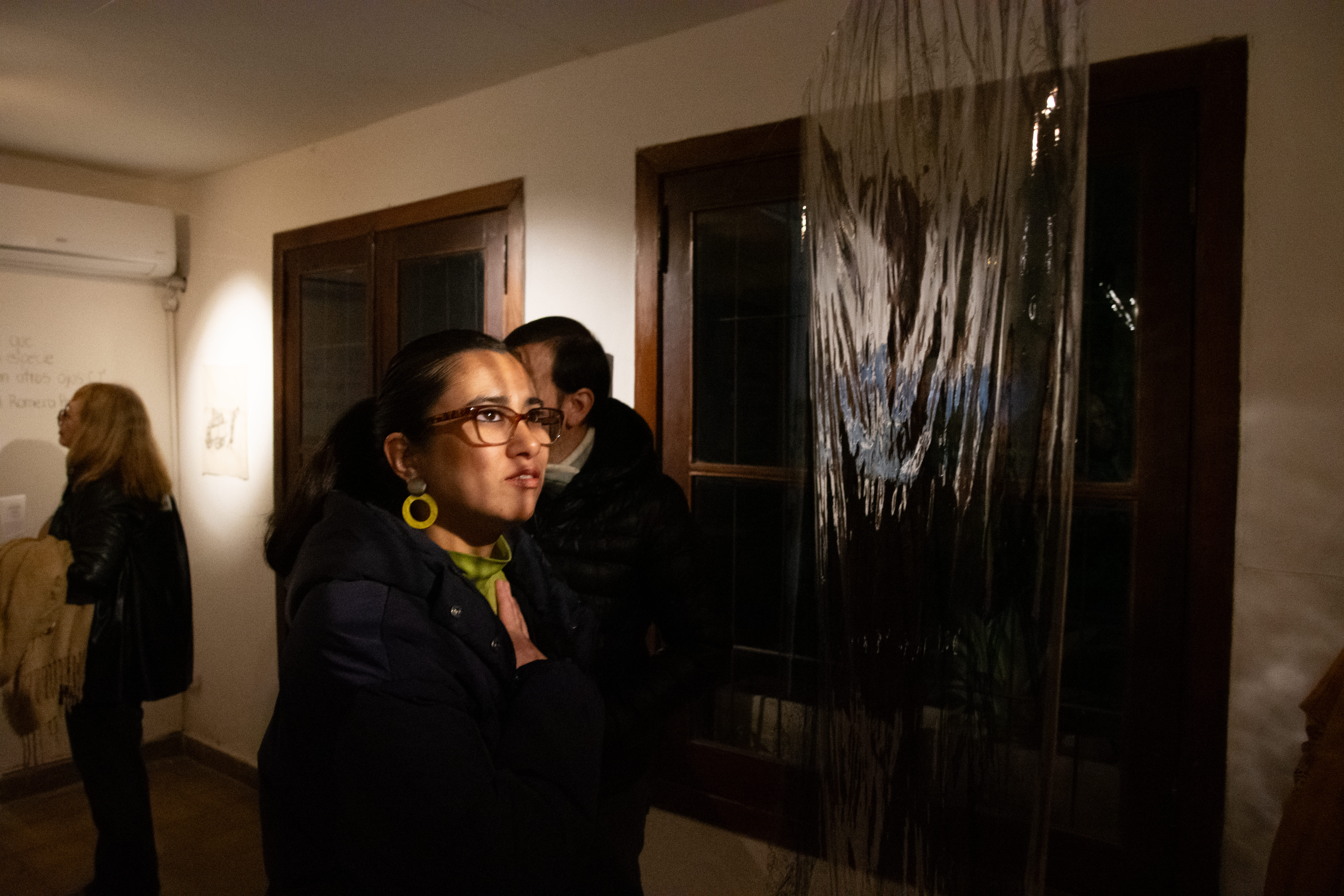
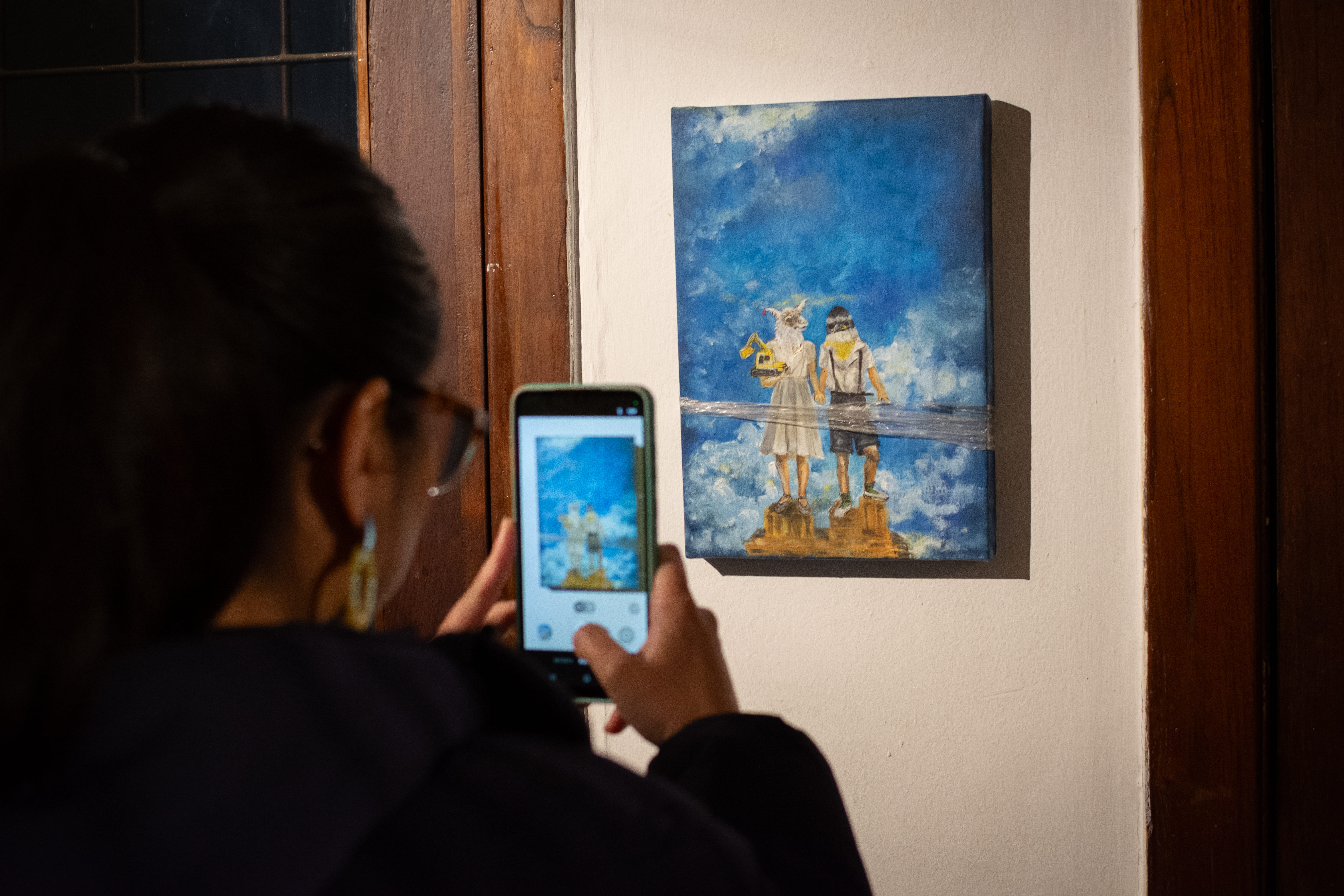
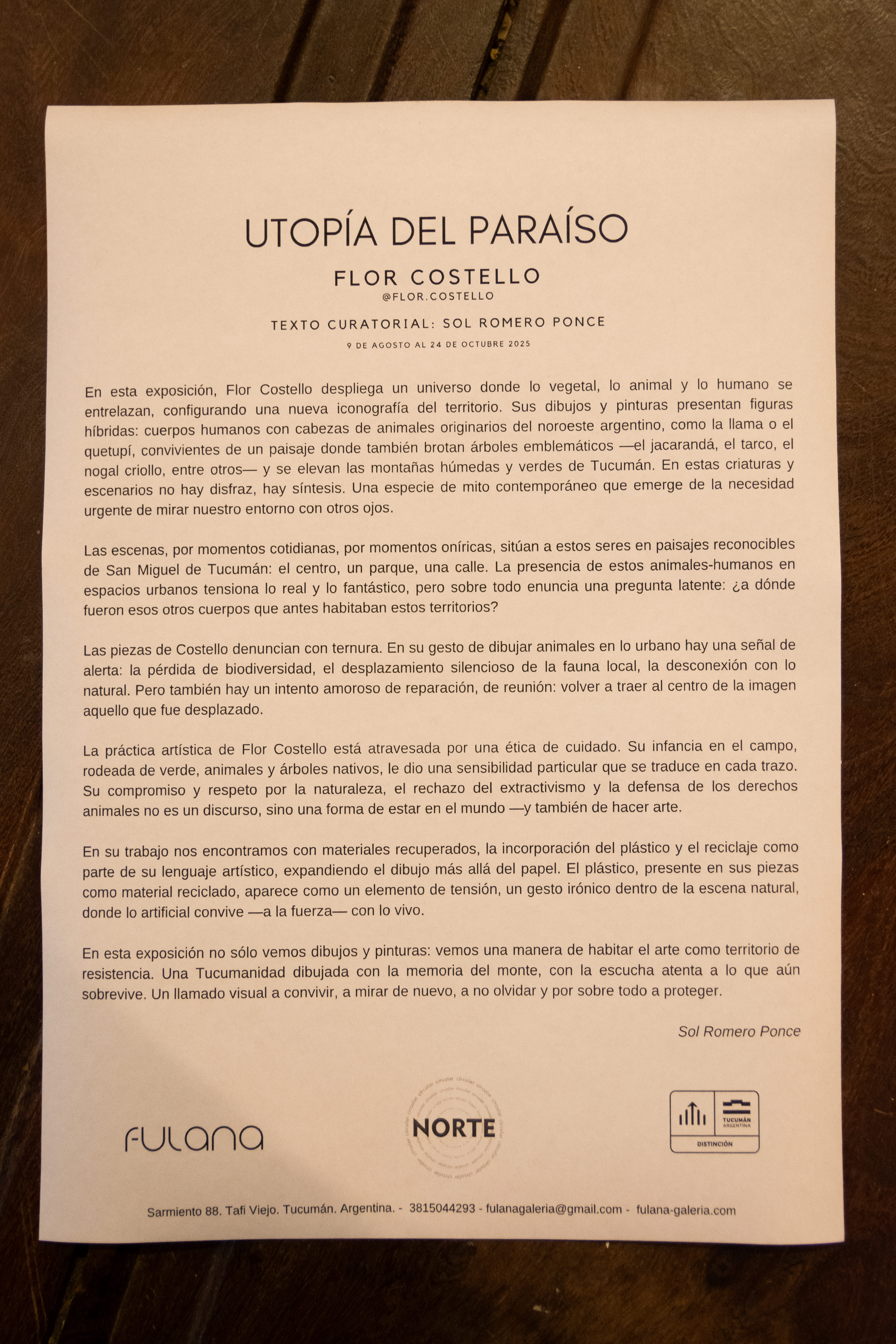
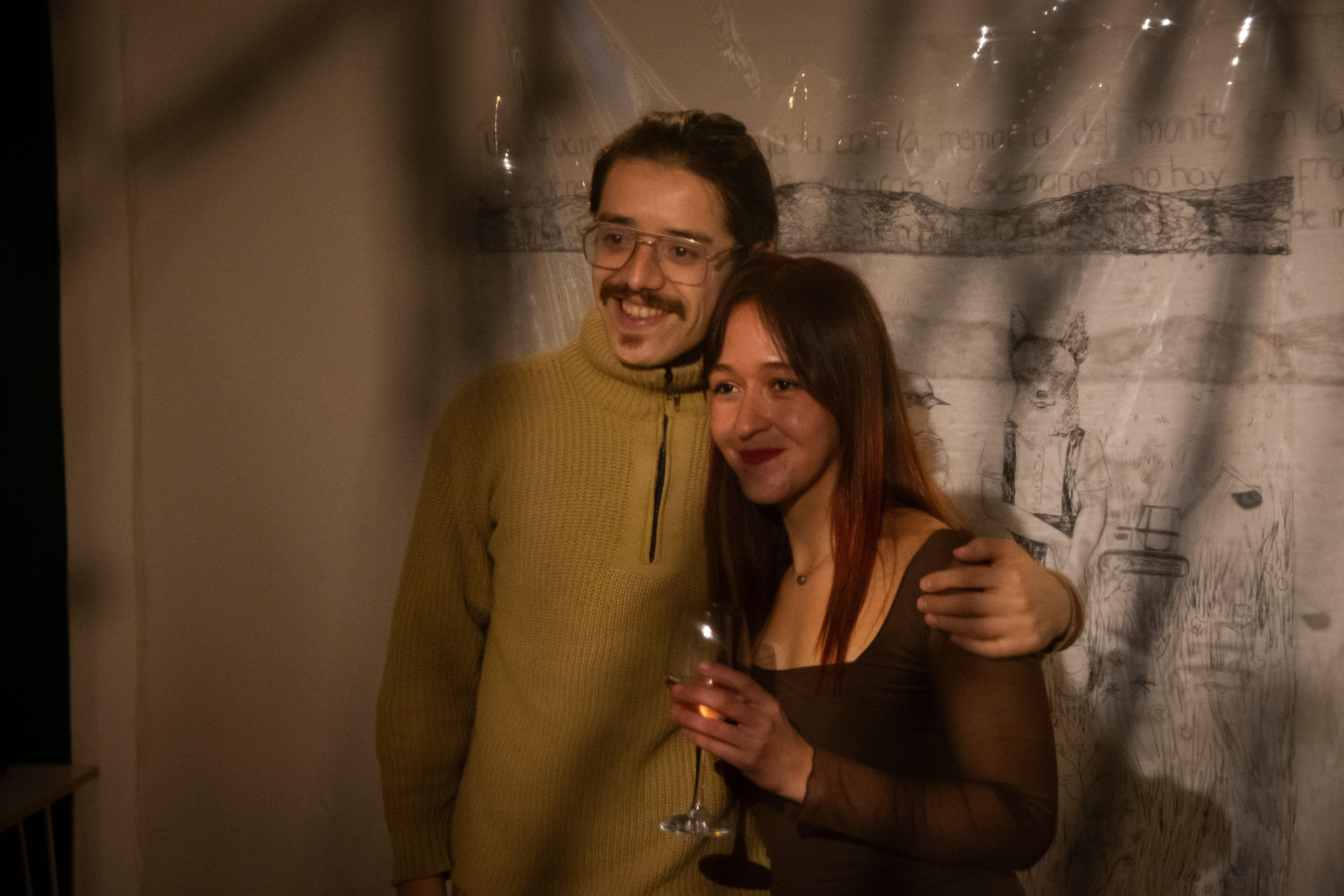
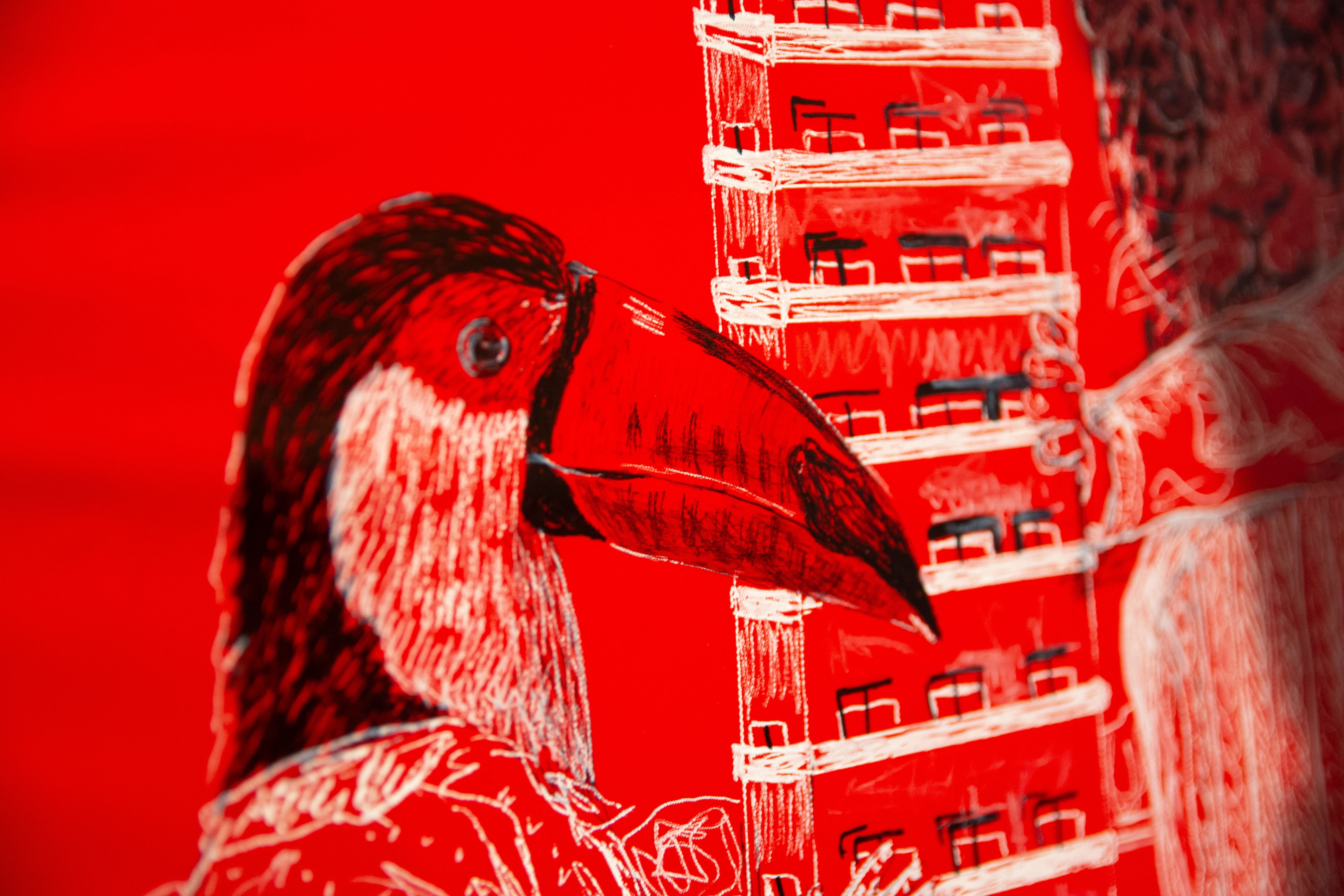
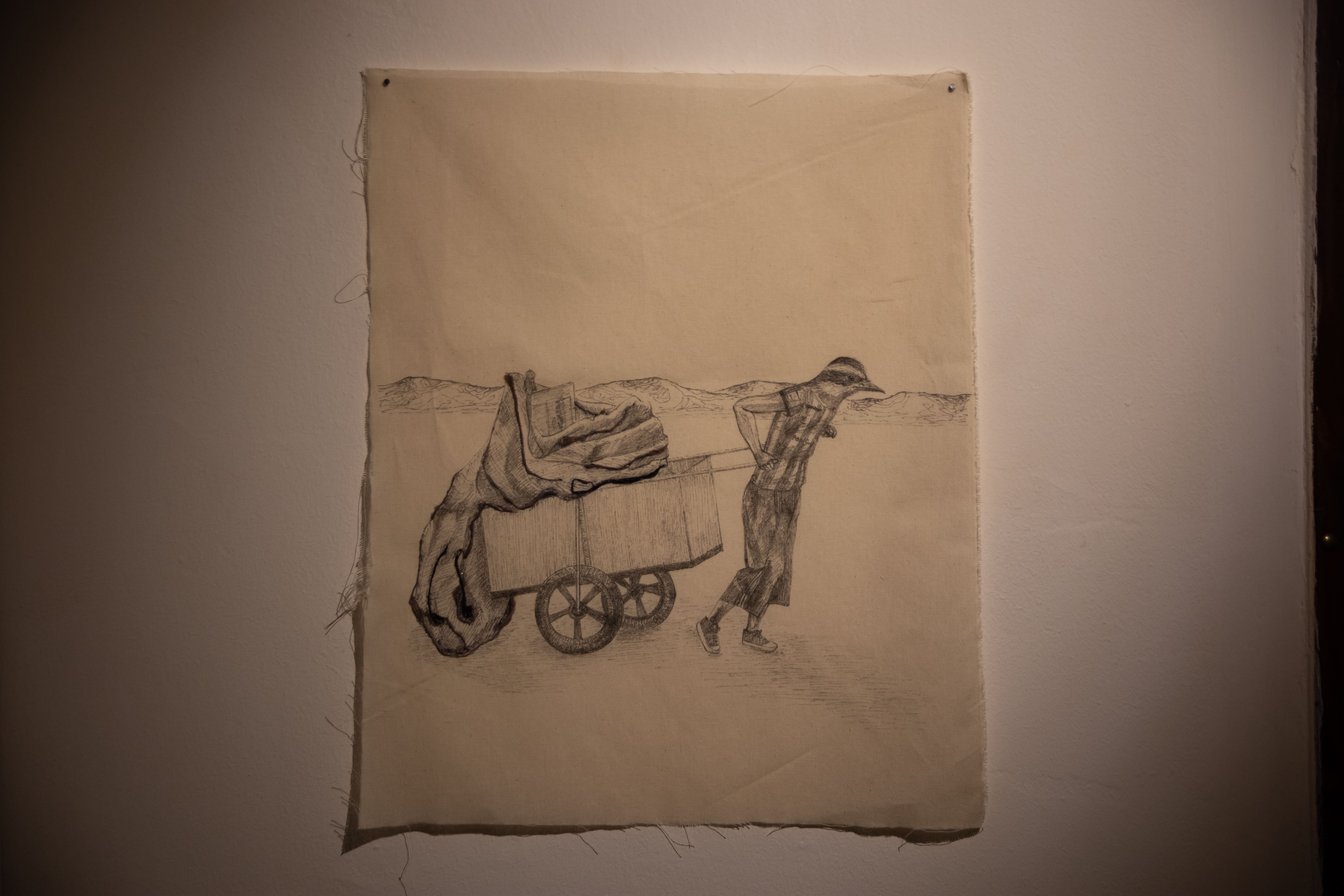
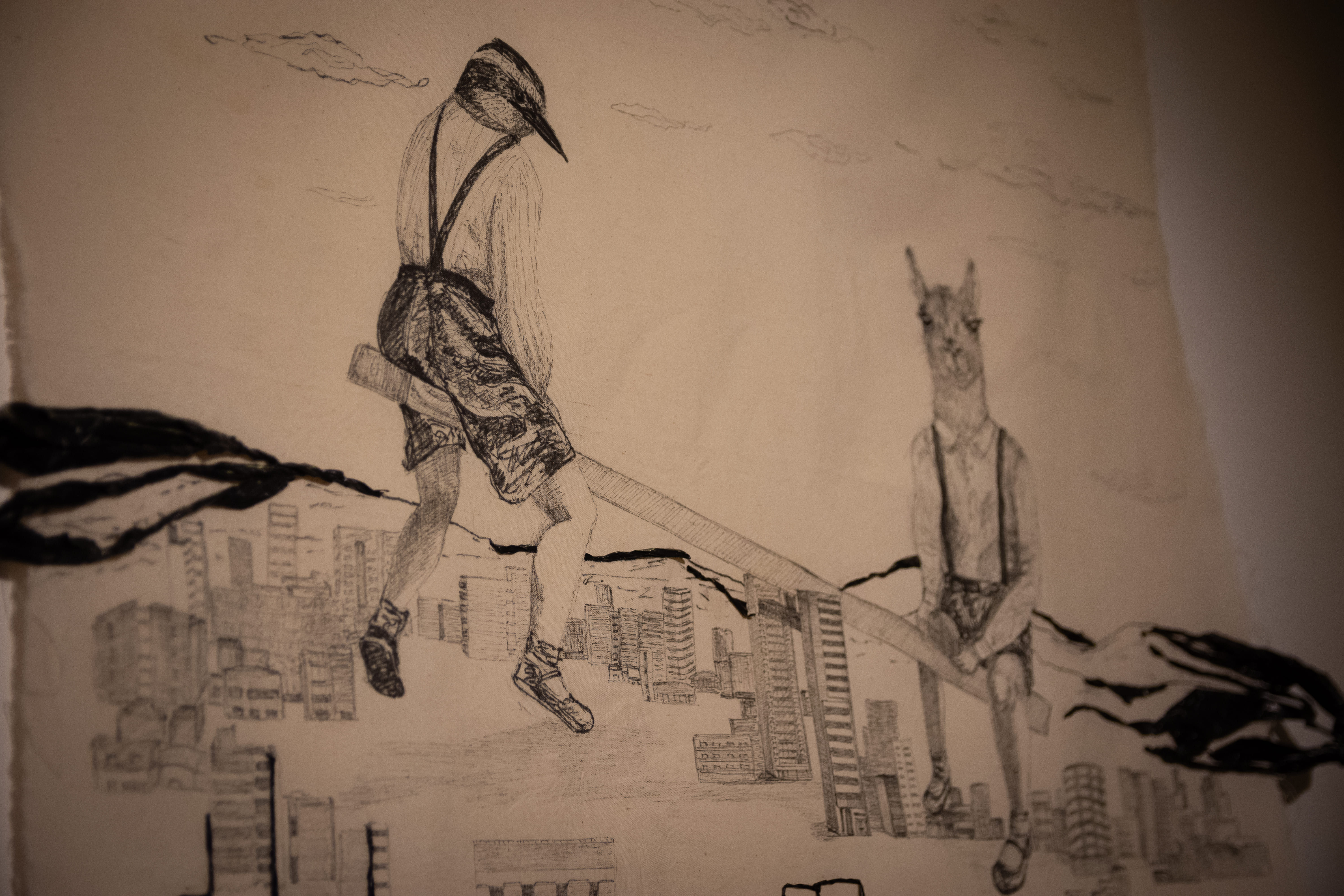
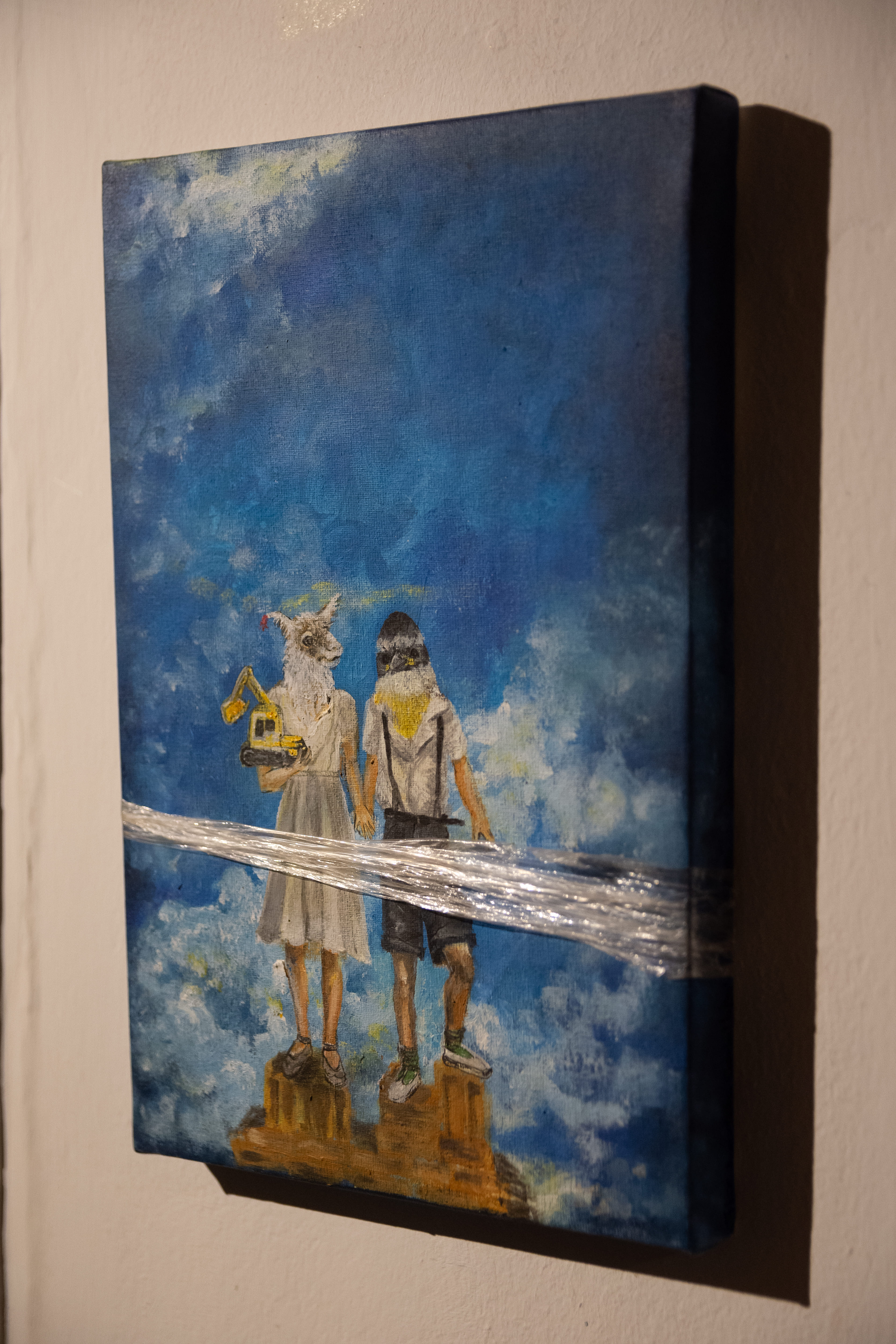
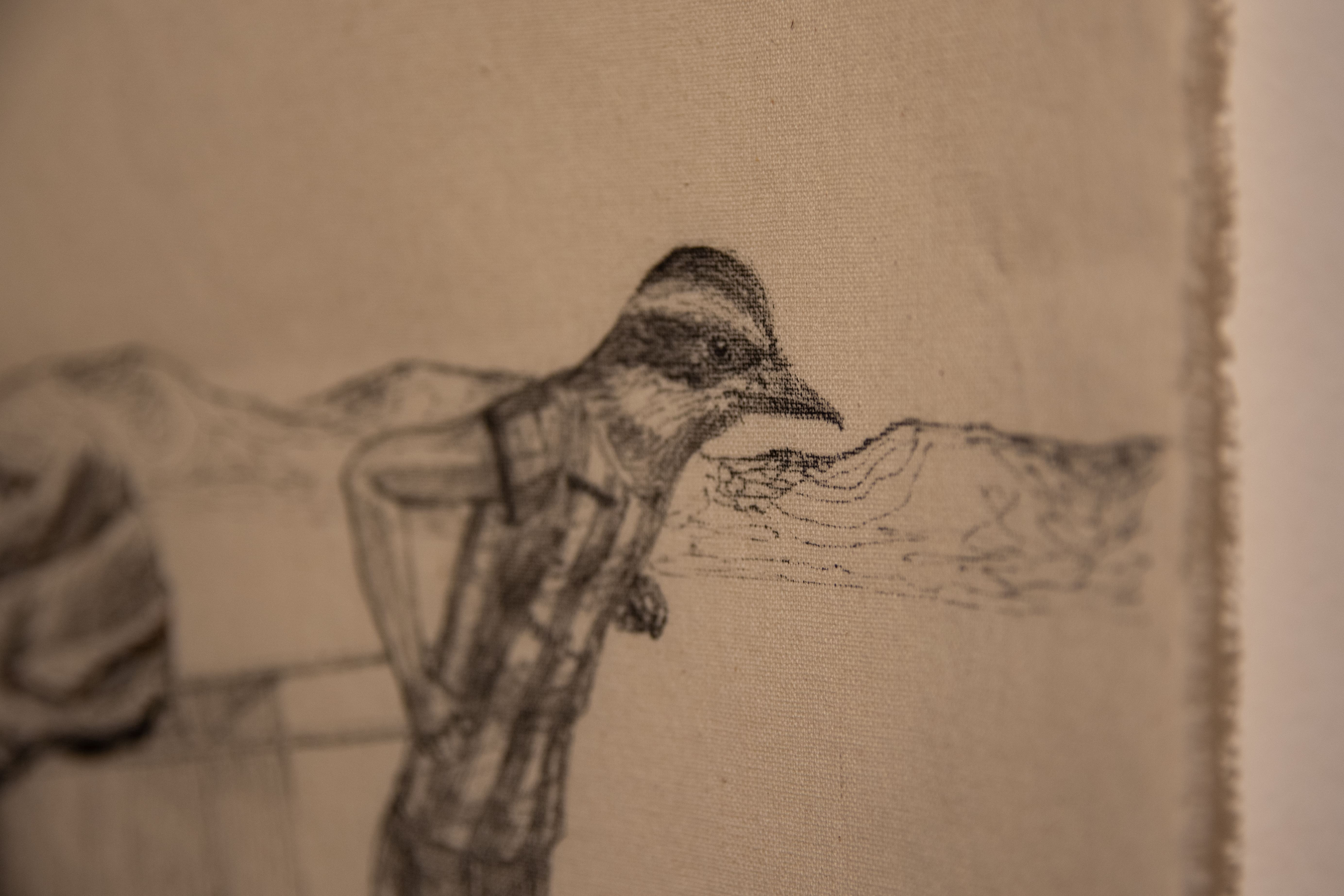
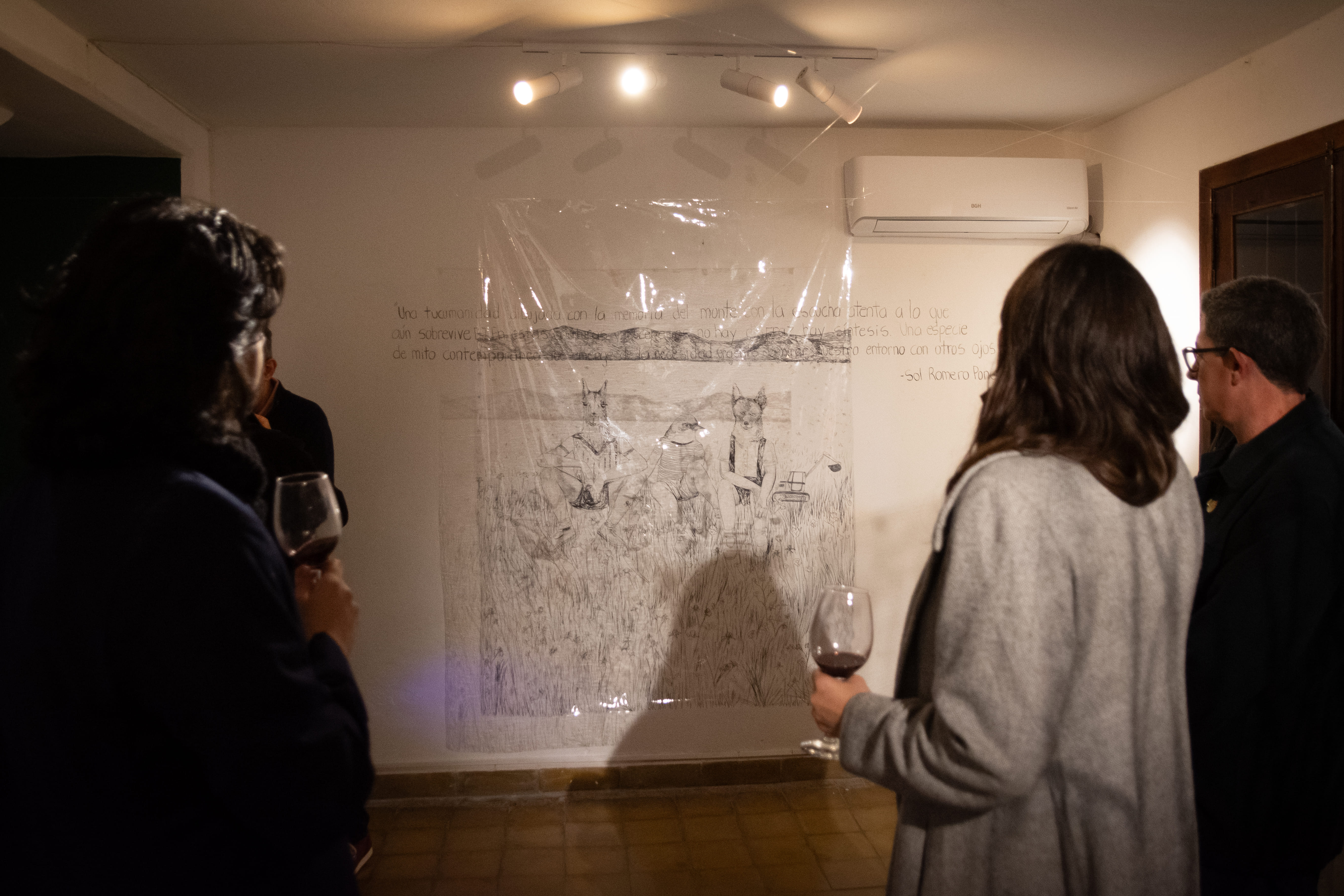
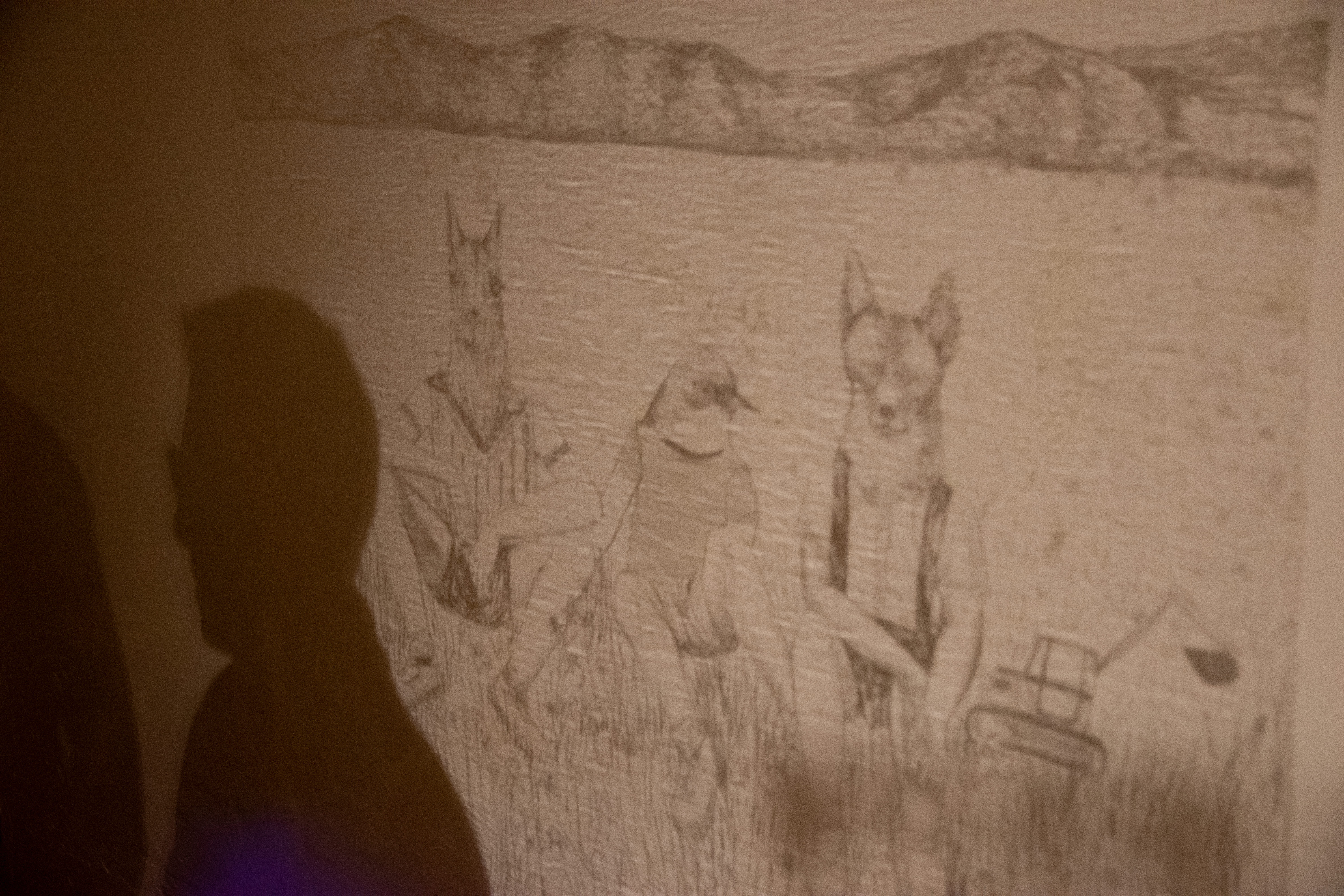
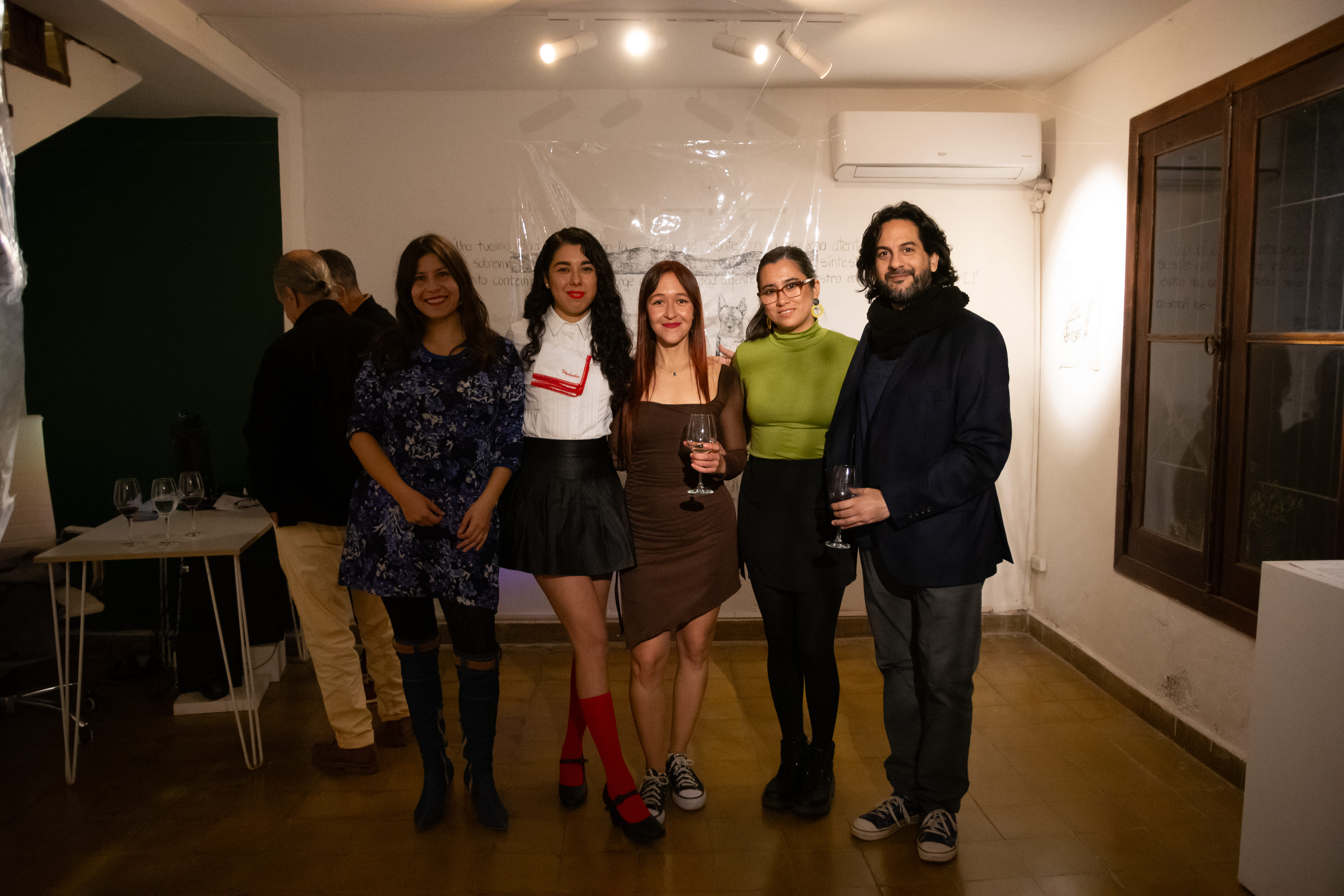
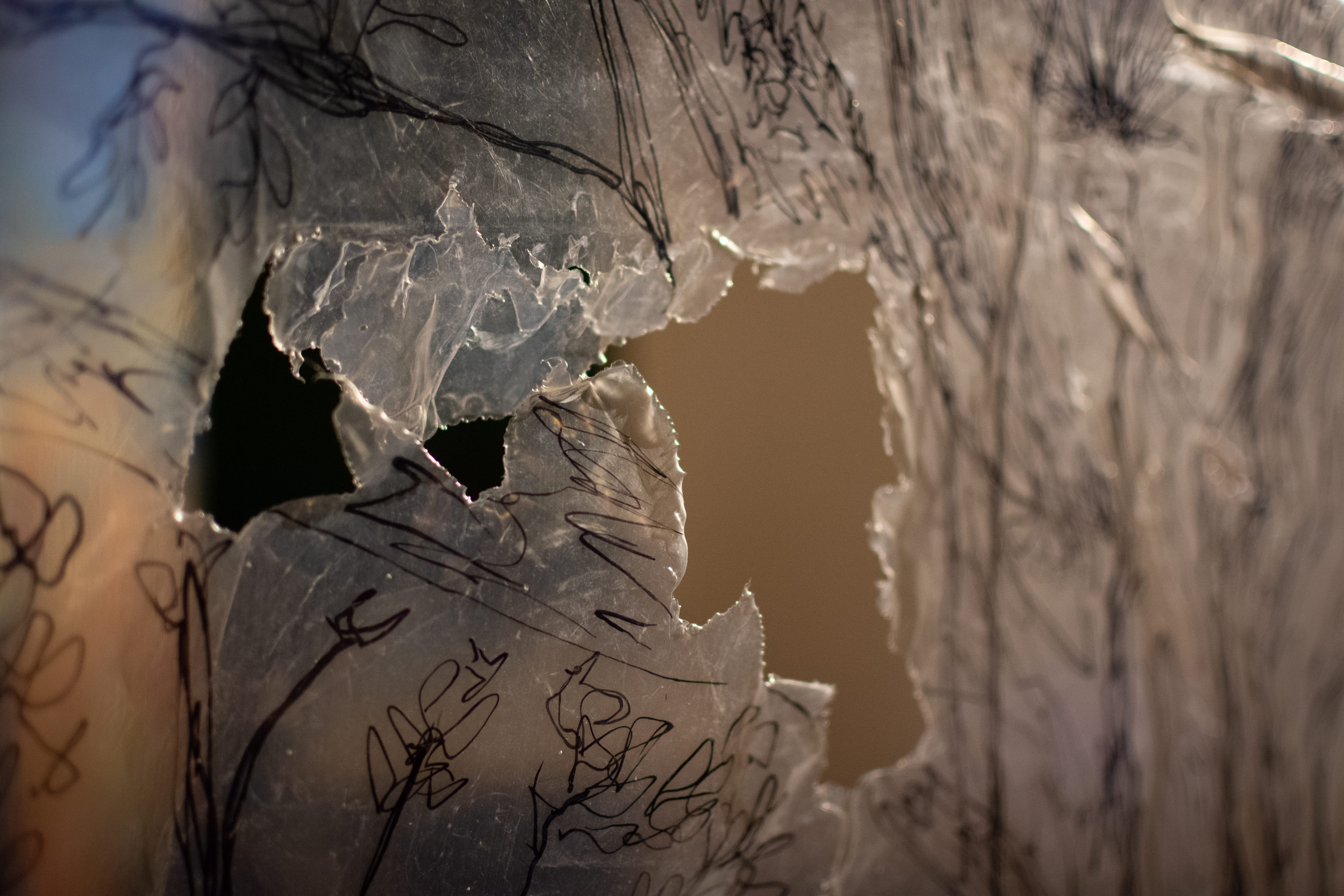
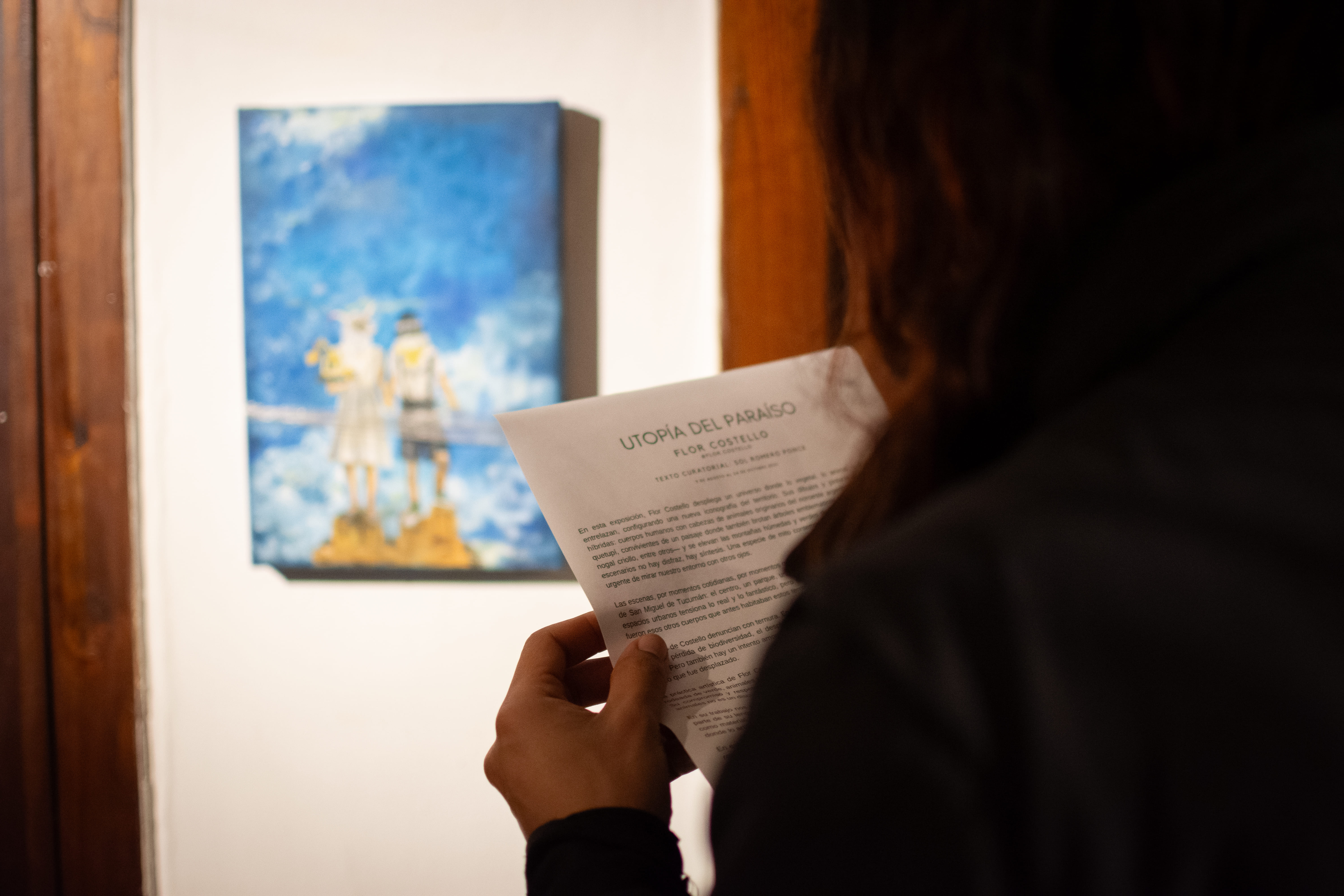
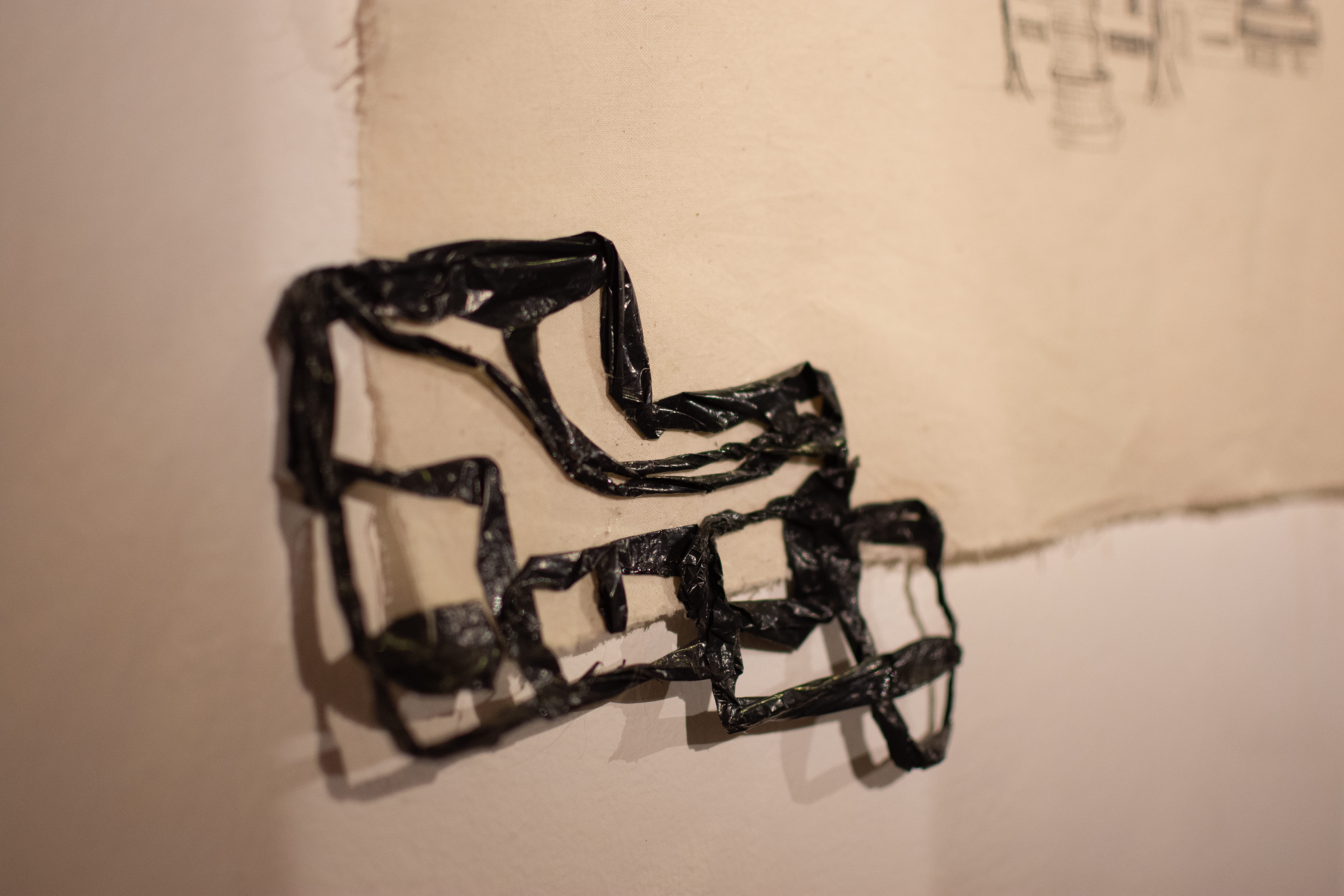
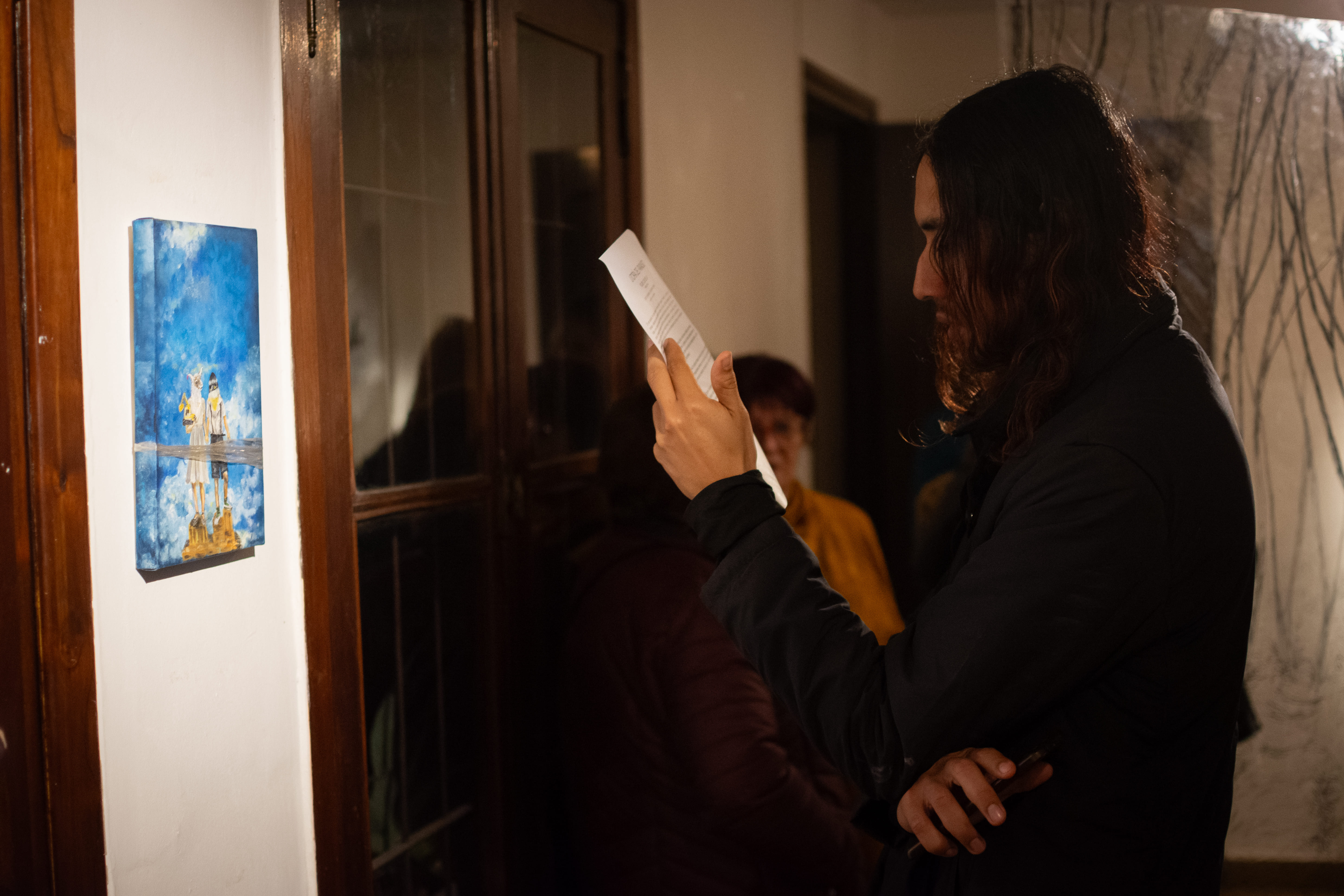
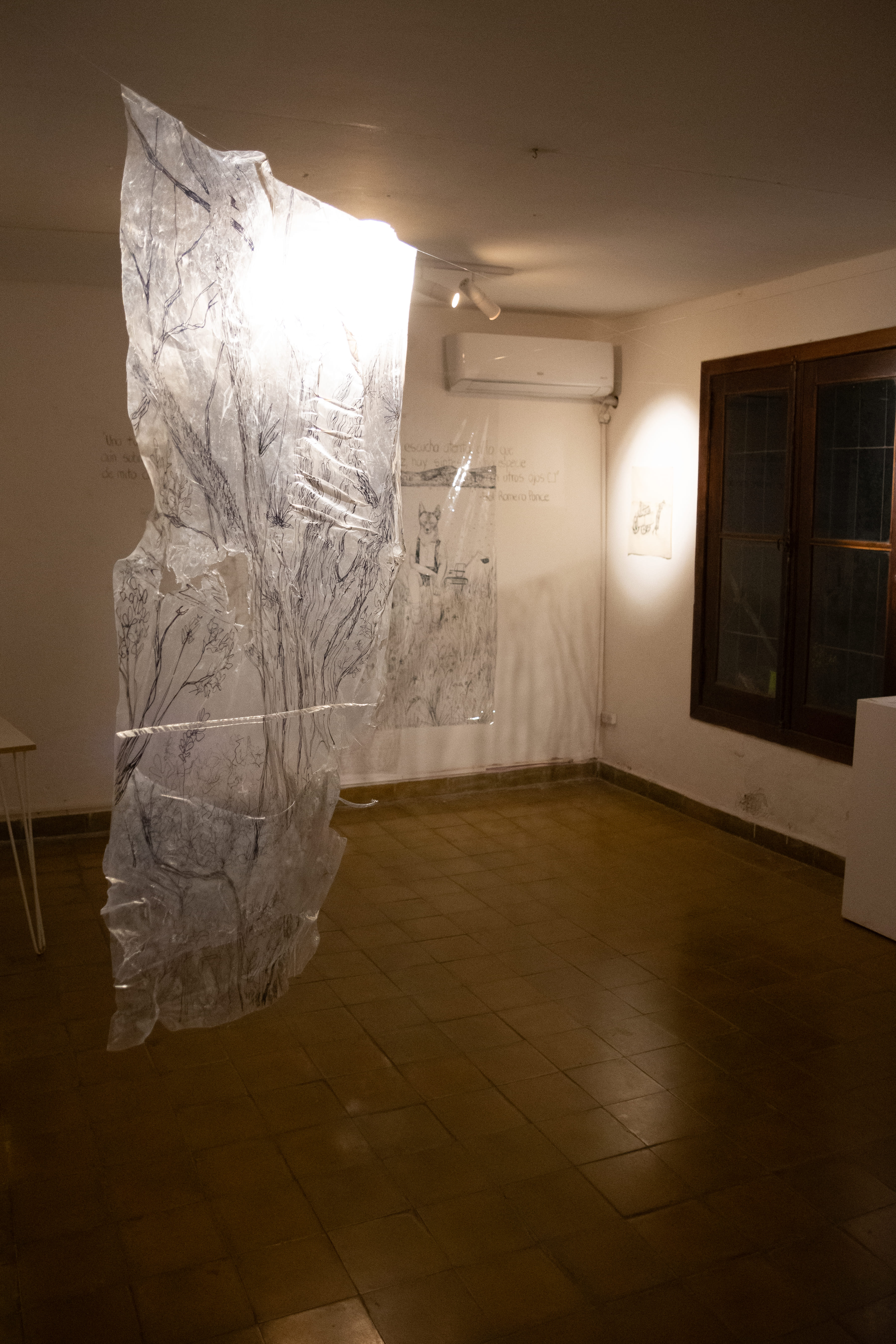
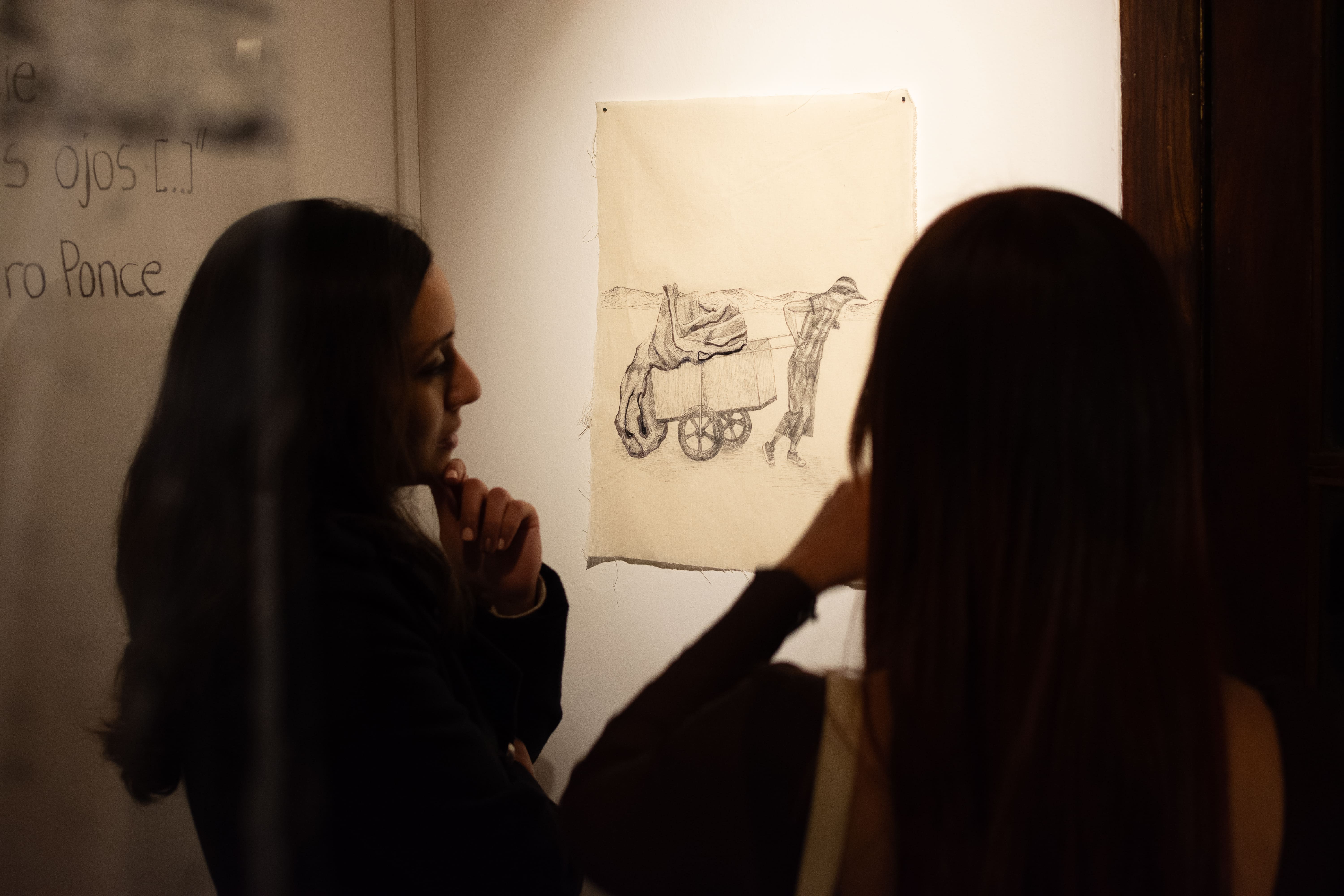
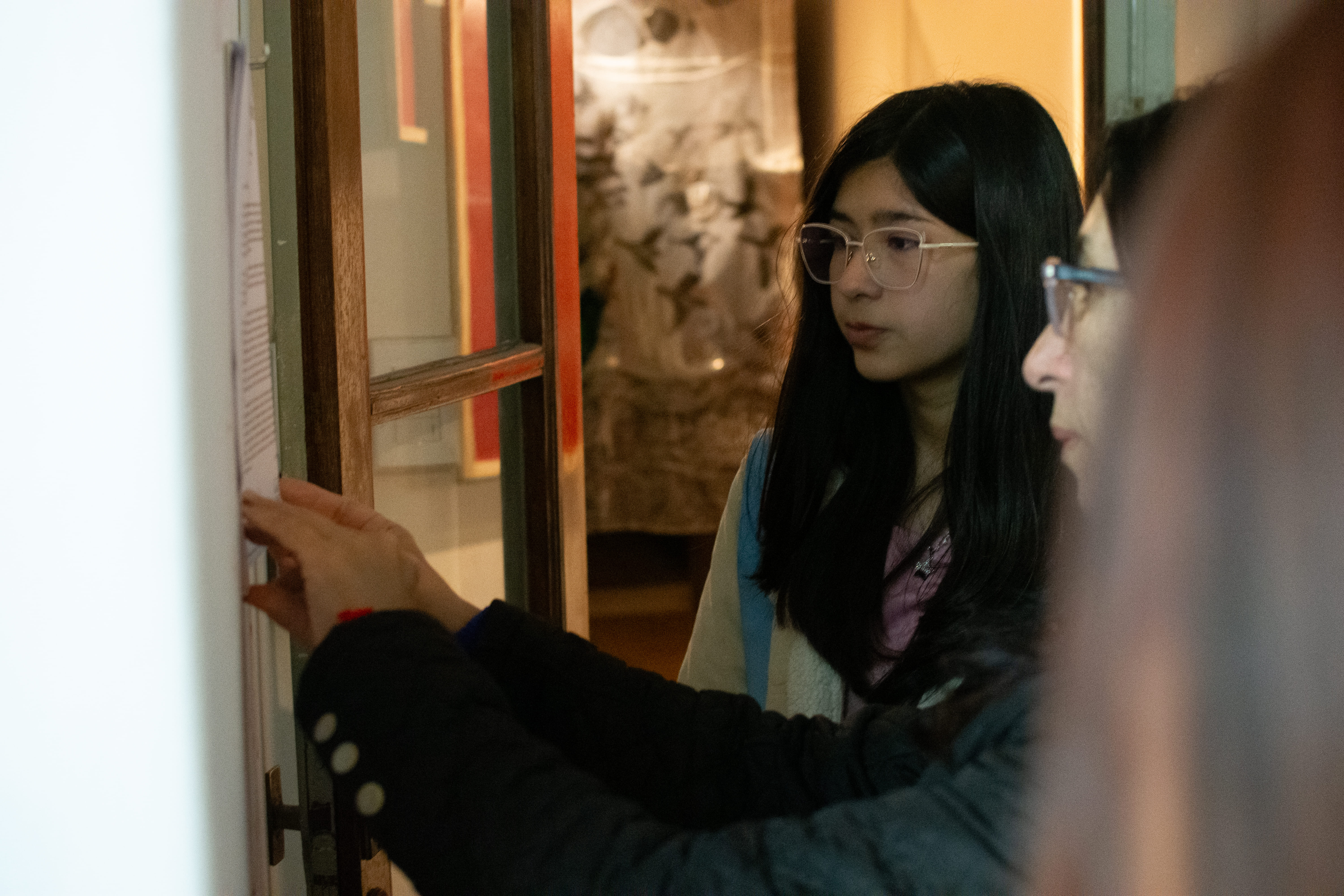
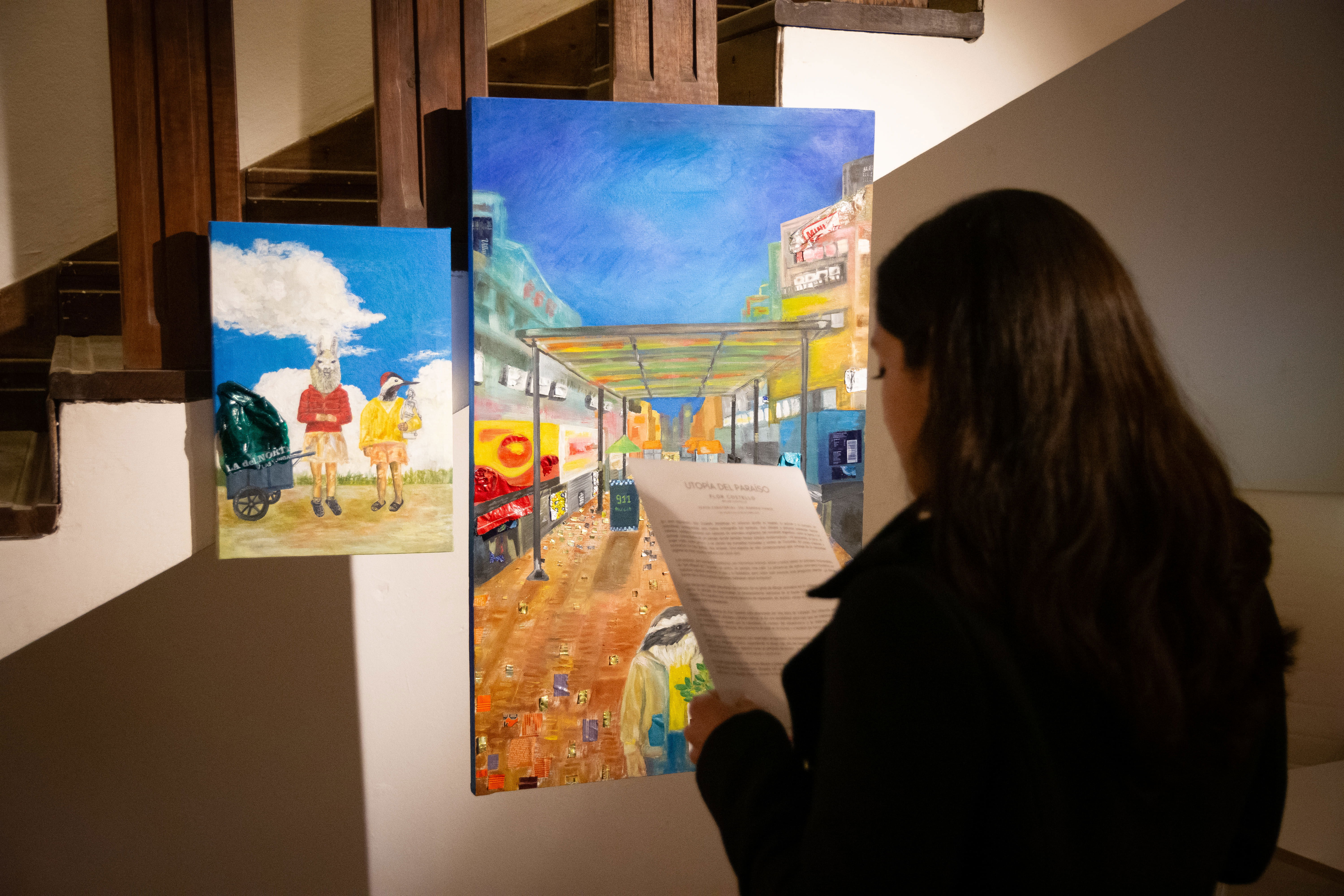
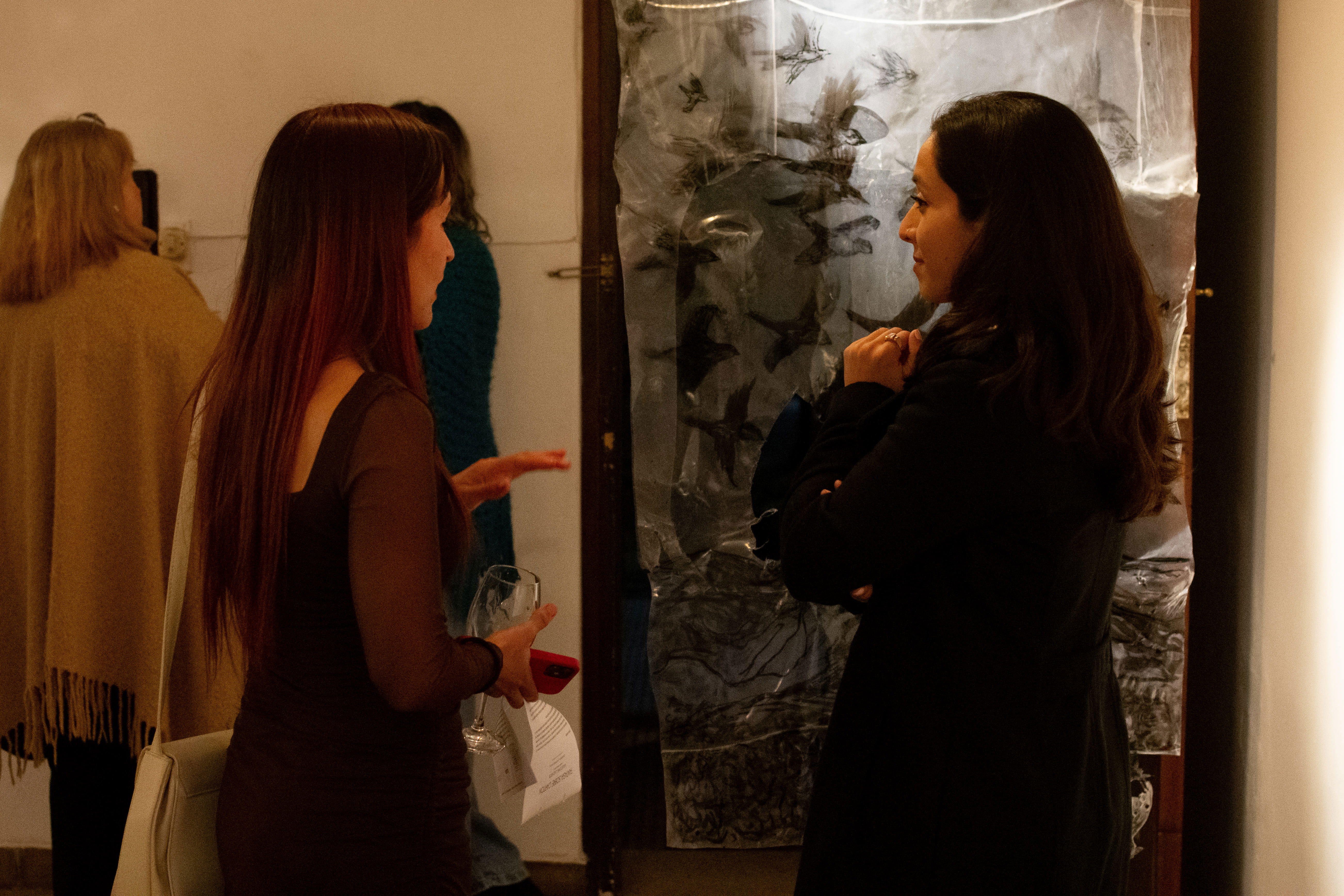
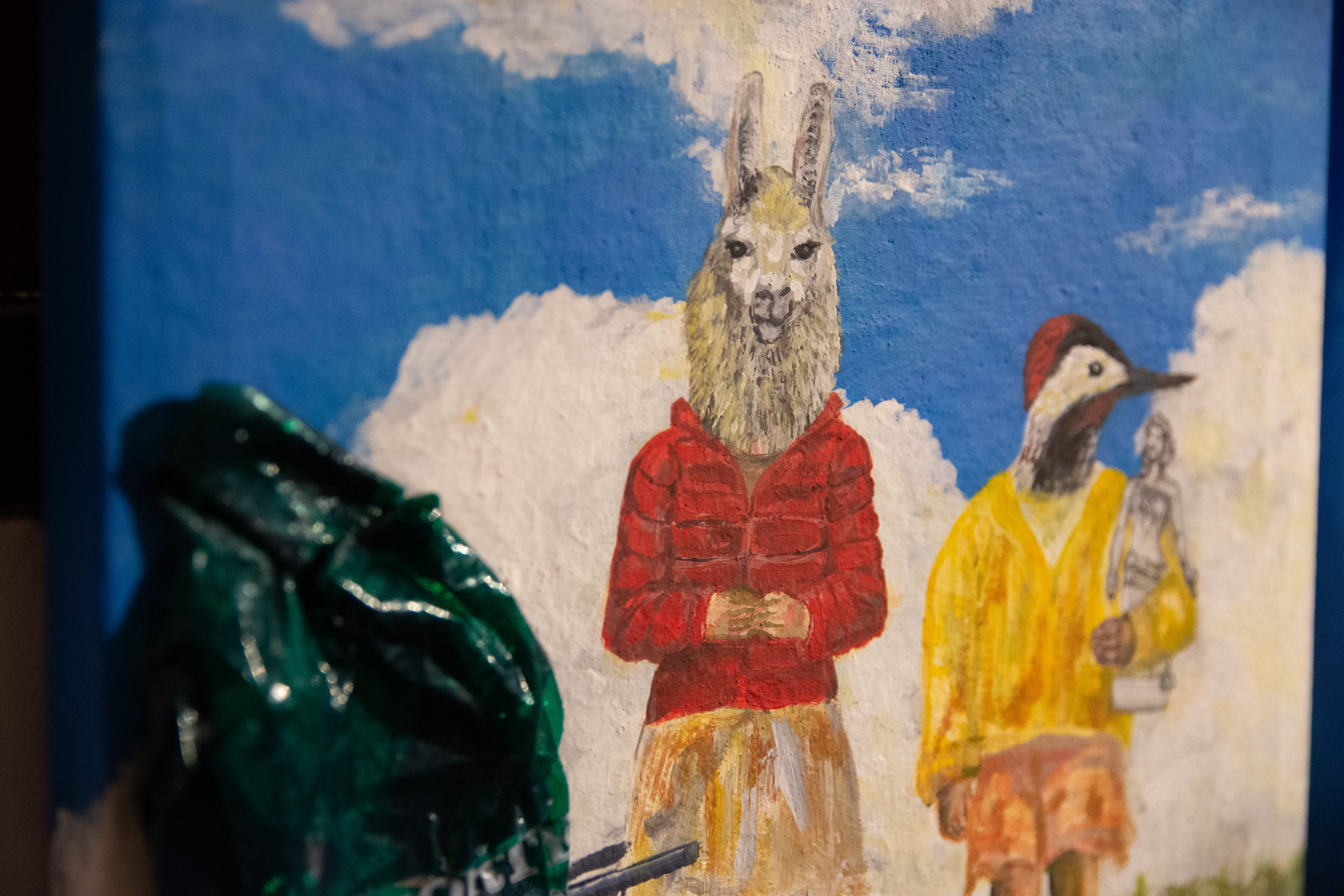
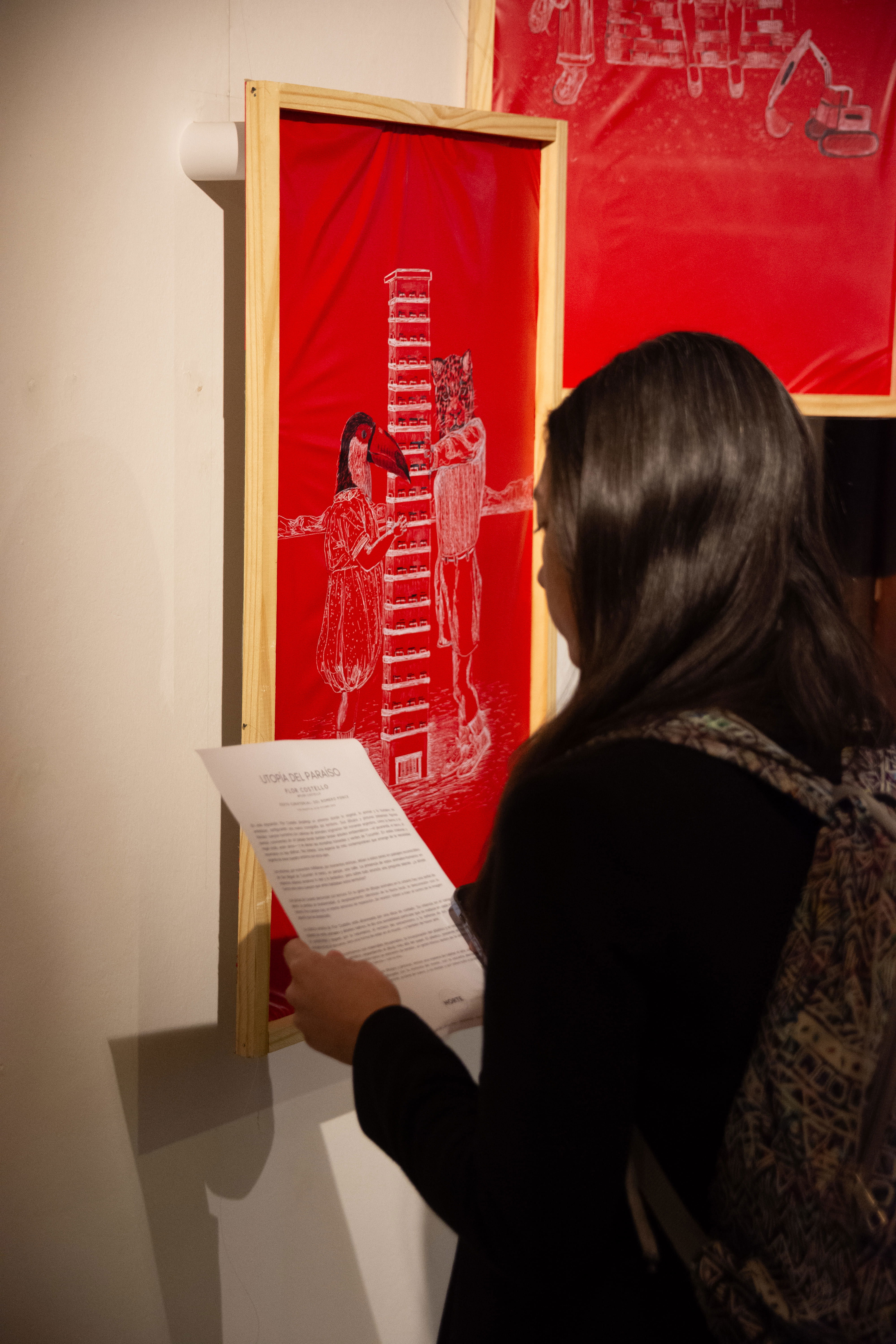
Flor Costello, August 9 to October 24, 2025. In this exhibition, Flor Costello unfolds a universe where the plant, animal, and human intertwine, configuring a new iconography of the territory. Her drawings and paintings present hybrid figures: human bodies with the heads of animals native to northwestern Argentina, such as the llama or the quetupí, coexisting in a landscape where emblematic trees also sprout—the jacaranda, the tarco, the native walnut, among others—and the humid, green mountains of Tucumán rise. In these creatures and settings, there is no disguise, only synthesis. A kind of contemporary myth emerges from the urgent need to see our surroundings with different eyes. The scenes, at times everyday, at times dreamlike, place these beings in recognizable landscapes of San Miguel de Tucumán: the city center, a park, a street. The presence of these human-animals in urban spaces creates tension between the real and the fantastic, but above all, it raises a latent question: where have those other bodies gone that once inhabited these territories? Costello's pieces denounce this with tenderness. In her gesture of drawing animals in the urban environment, there is a warning sign: the loss of biodiversity, the silent displacement of local fauna, the disconnection from nature. But there is also a loving attempt at repair, at reunion: to bring back to the center of the image that which has been displaced. Flor Costello's artistic practice is permeated by an ethic of care. Her childhood in the countryside, surrounded by greenery, animals, and native trees, gave her a particular sensitivity that is reflected in every stroke. Her commitment to and respect for nature, her rejection of extractivism, and her defense of animal rights are not just rhetoric, but a way of being in the world—and also of making art. In her work, we find reclaimed materials, the incorporation of plastic and recycling as part of her artistic language, expanding drawing beyond paper. Plastic, present in her pieces as a recycled material, appears as an element of tension, an ironic gesture within the natural scene, where the artificial coexists—by force—with the living. In this exhibition, we see not only drawings and paintings: we see a way of inhabiting art as a territory of resistance. A Tucumán identity drawn with the memory of the forest, with attentive listening to what still survives. A visual call to coexist, to look again, to not forget, and above all, to protect. Curatorial text: Sol Romero Ponce. Installation: Alejandro Alarcón. Photography: Maximiliano Barrera.