Towards the impossible ceiling of the heavens - GISELLE PISSONI, DANIELA FERNÁNDEZ MOSQUERA
25/07/2023
Towards the impossible ceiling of the heavens
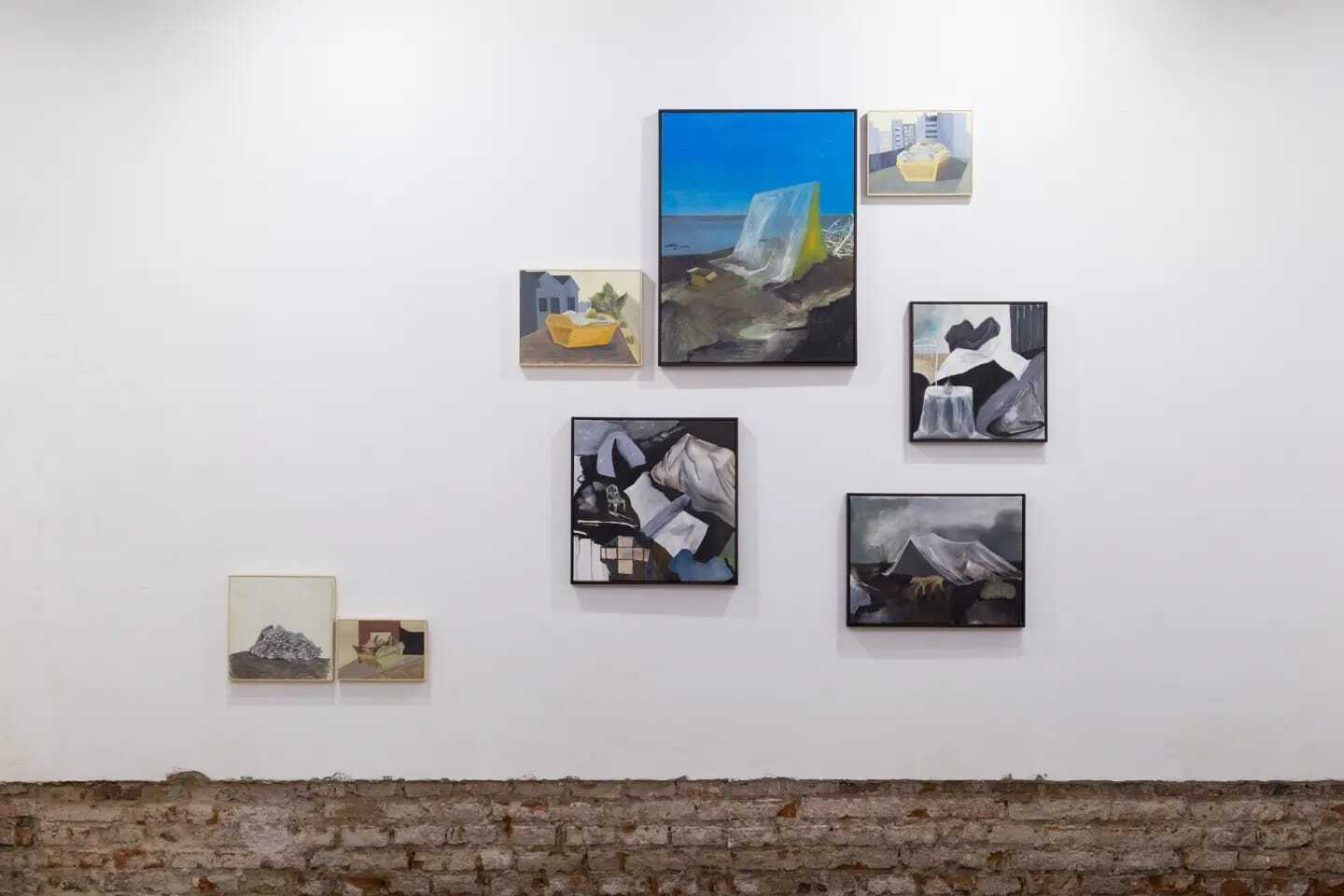
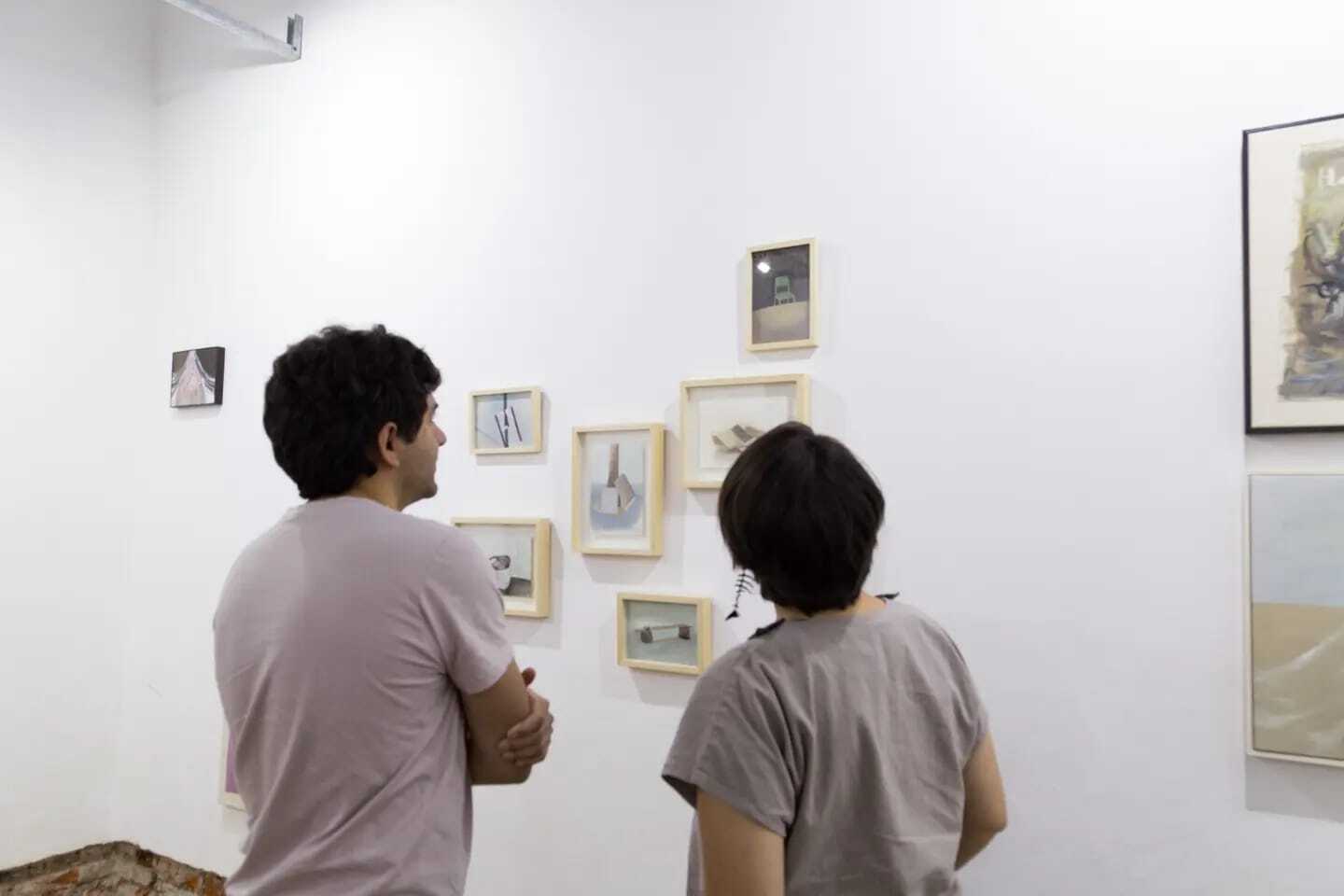
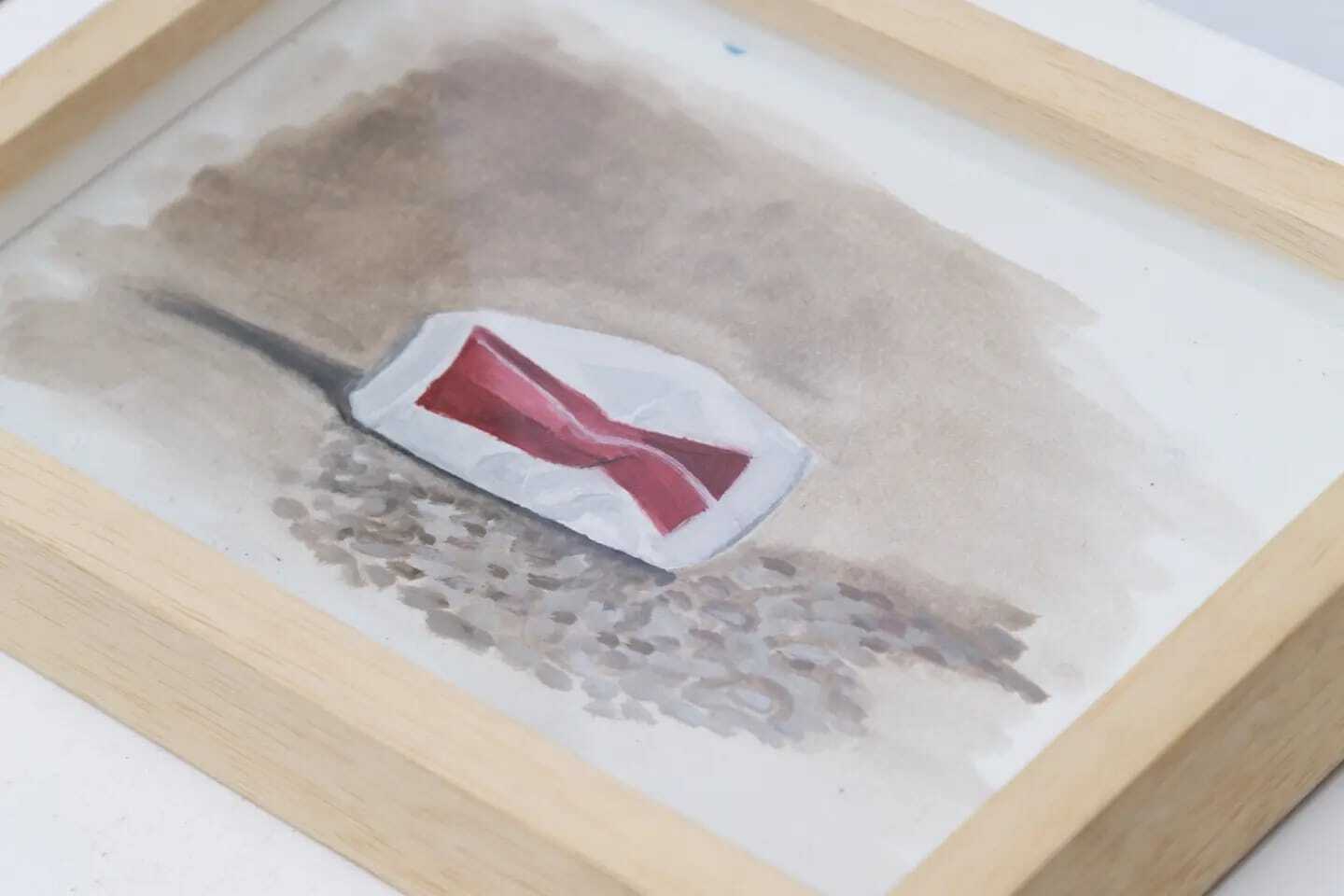
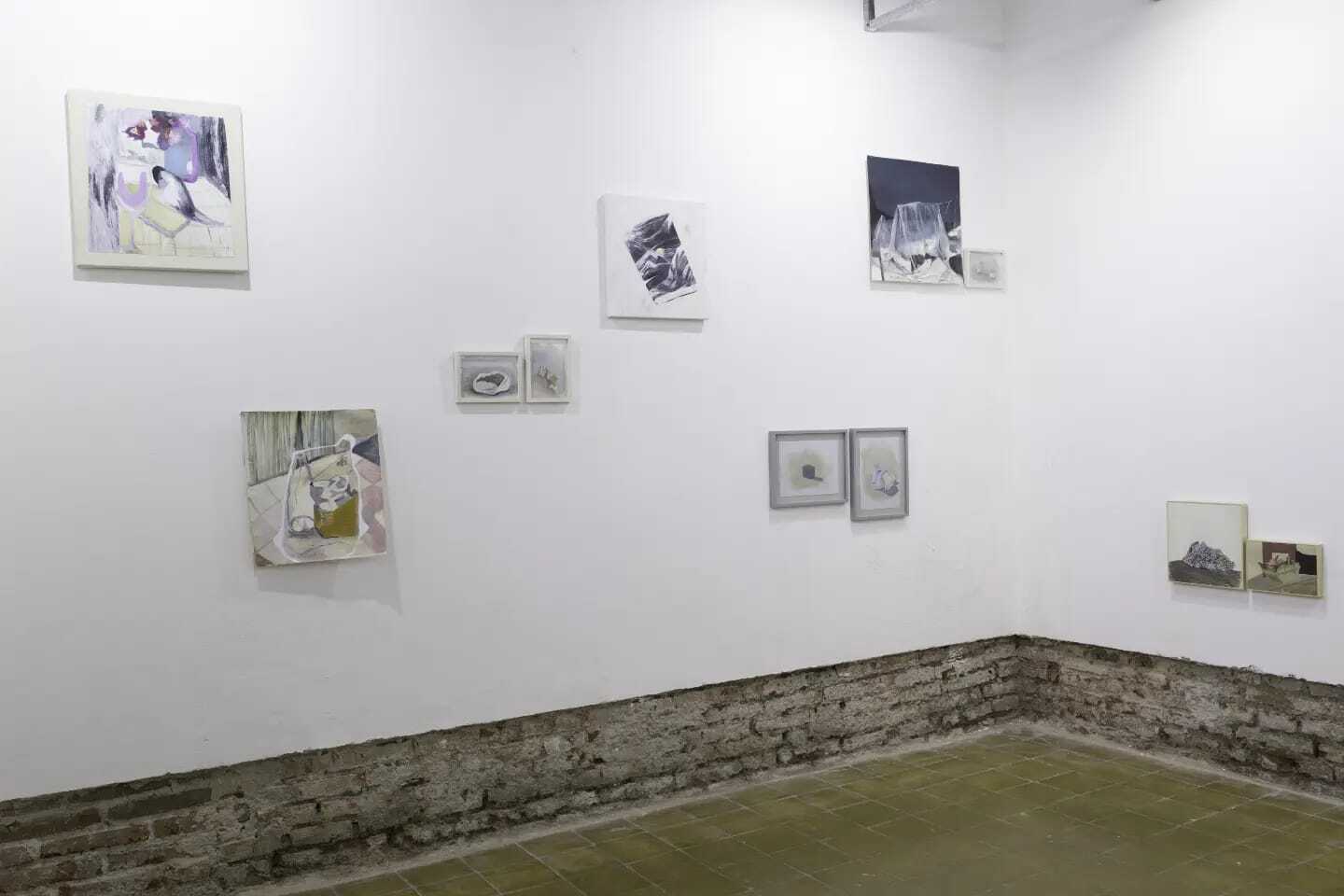
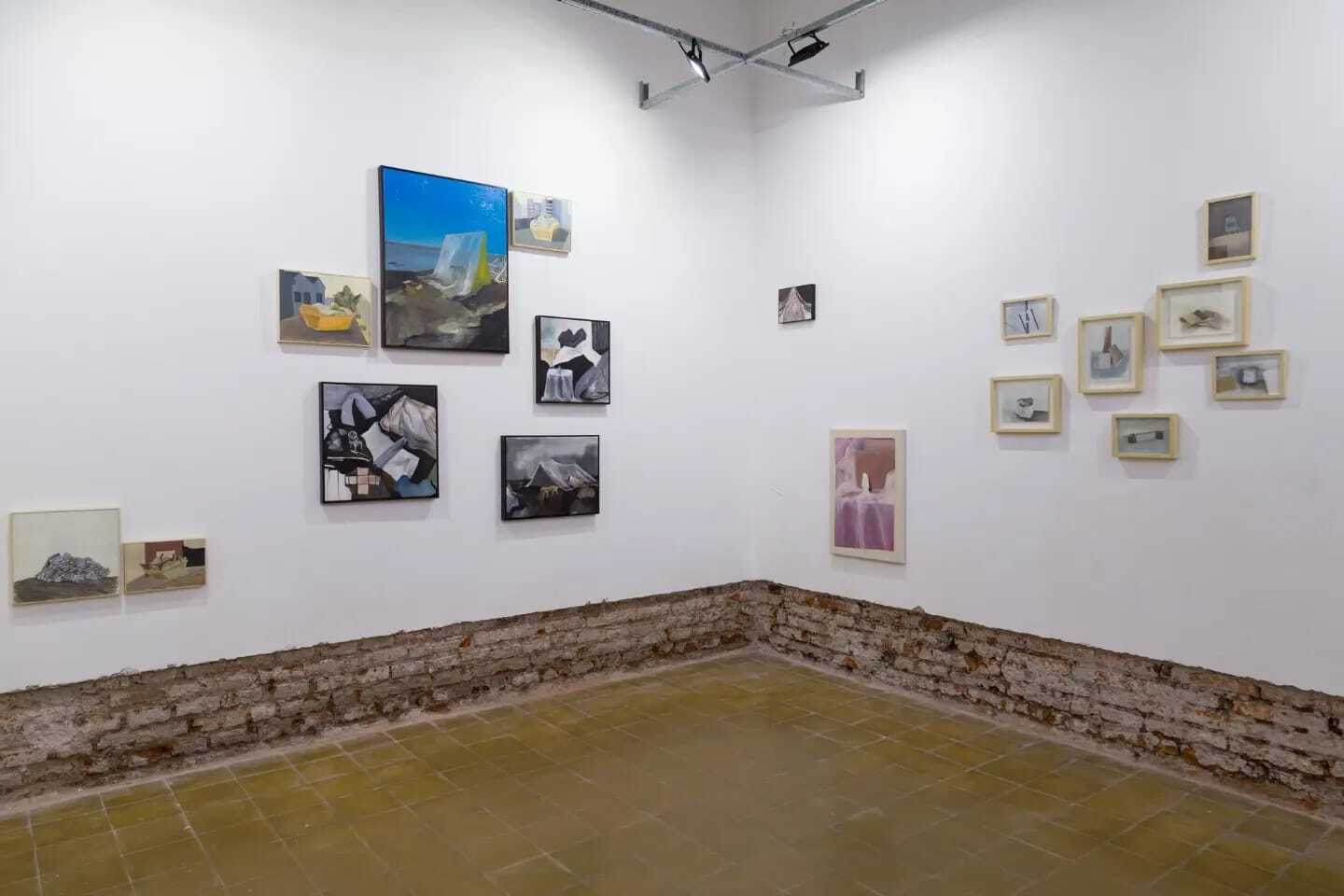
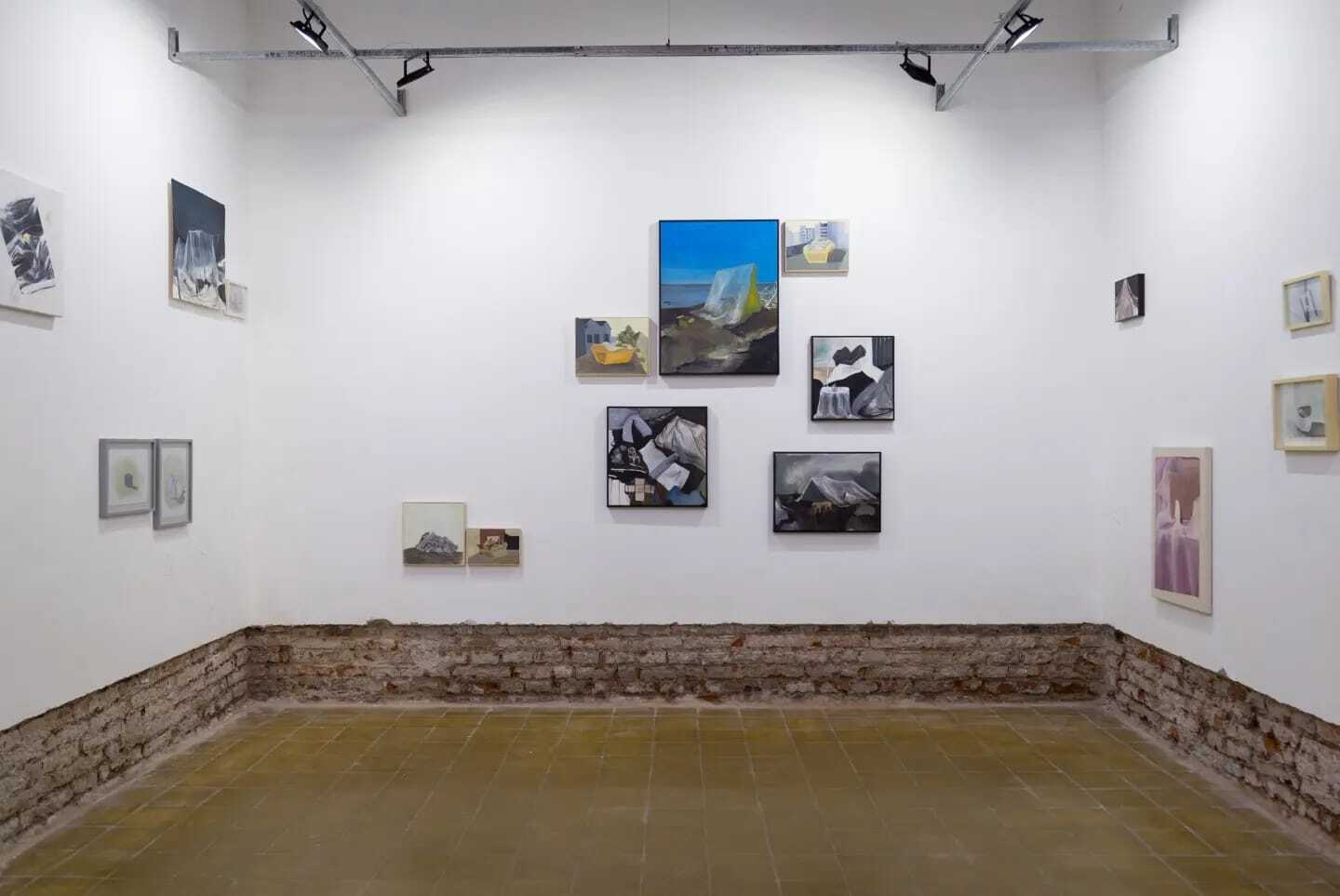
Giselle Pissoni, Daniela Fernández Curator: Carolina Repetto PH: Registro exacta No one could ever see the ceaseless dwelling where everything repeats our names beyond the earth. The House - Olga Orozco Captive and dependent on temporary living spaces, the latest generations of young people find themselves increasingly distant from a permanent home of their own. Between precarious urban planning, shifting housing codes, and the constant contrast between demolitions and new construction, cities become spaces that increasingly expel those who have walked their streets for decades. In the imaginary of the city-as-theater, the actors are all characters in exile. This involuntary nomadism shapes the identity of those who occupy the porous border between the permanent and the transient. How can one be both? How can one inhabit a place knowing that one will soon have to move? How can one appropriate and relinquish a place in the same movement? In the collection of works by Daniela Fernandez and Giselle Pissoni presented in this space, the artists question the past, present, and future scenarios that come with being anchored to a single territory. It is within this circumstantial topology of moving that we find the works of both artists intertwined. Faced with the abyss of the question, “Are you moving again?”, they always answered yes. Like most of their generation, they have been caught up in the whirlwind of packing and unpacking their belongings. From their different spaces, they manage to explore the notion of an Argentine landscape made up of fragments, hurried trajectories, and elements on the verge of precariousness. Daniela Fernandez adds expressive, material gestures with each brushstroke, working without regard for frames and borders, constructing the very purpose of each painting, which seeks to make the canvas more than just a support. In her series of tents, the artist creates translucent images set in a foreign, fictional landscape, darkened by abstract shadows and unrecognizable corporeal formations. These transitional microcosms seem banished from all habitable space. Within them, the precariousness of the elements forms a series of synchronized vestiges, an idea of a landscape governed by simultaneously being and not being a place. An anthropomorphic horizon, with tents that sway like ghosts of those who once inhabited these lands. Furthermore, the core of Pissoni's work lies in her ability to portray what was left behind in each relocation she observed and noticed in her neighborhood. The artist works with a delicacy and tonal mastery that transforms both accumulation and emptiness into an unprecedented aesthetic experience. The violence of the rubble, of what has been destroyed, becomes part of a new construction that deserves to be captured first and contemplated later. Pissoni creates an installation that (de)constructs discarded objects: a bench made from a plank and sandbags, a pile of bricks transformed into an ornament. In the intimate ritual of painting, she resignifies these everyday forms and appropriates them to construct new scenarios. Pissoni asks: What do we wish to gather in the void? And what inevitably unites? Both artists explore identity through the rescue of the very building materials they have repeatedly discarded. In designing this personal chronicle, a kind of pictorial consciousness is activated, capable of addressing aspects that allow for appropriation by the viewer. The viewer begins to recognize the brick piles in their neighborhood that Pissoni portrays, and to feel touched by the family album that Fernandez hides behind layers of fabric. It is possible, then, to believe that these aesthetic resolutions will withstand the test of time or, rather, become part of the rubble that transforms into both ruin and sketch simultaneously. Carolina Repetto October 2023