Fantasy on Cardboard - AGUSTINA LAZARTE
Fantasy on cardboard
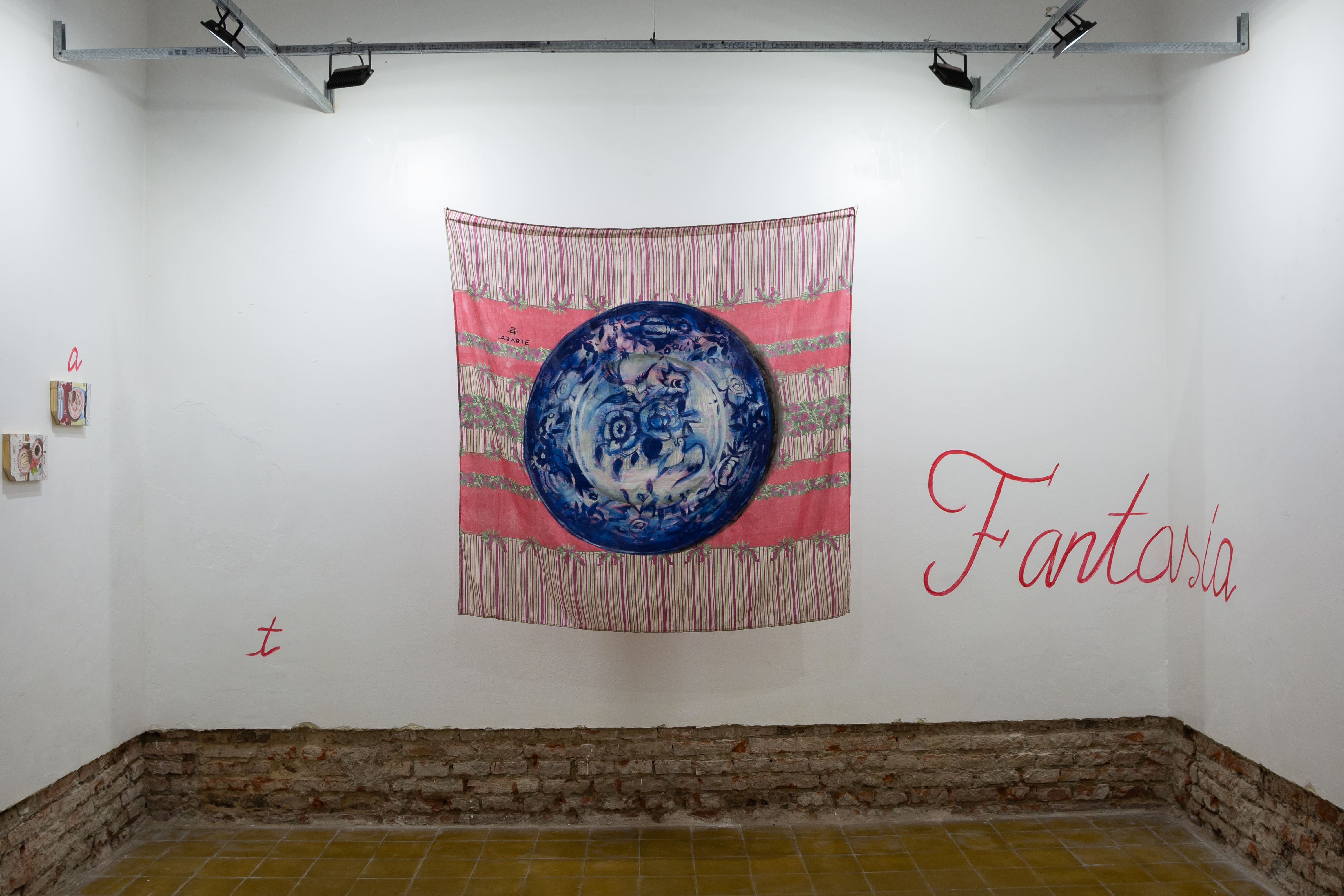
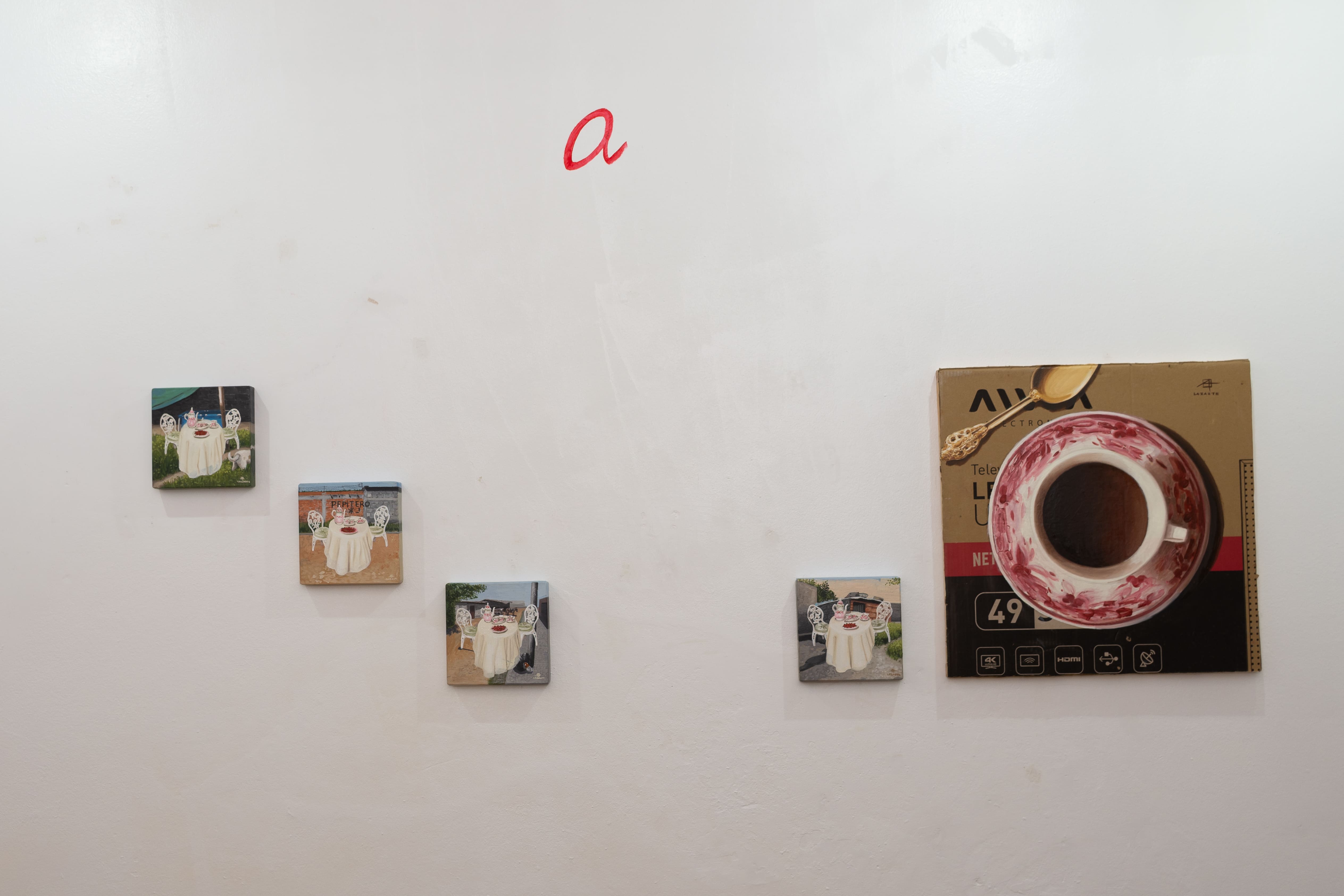
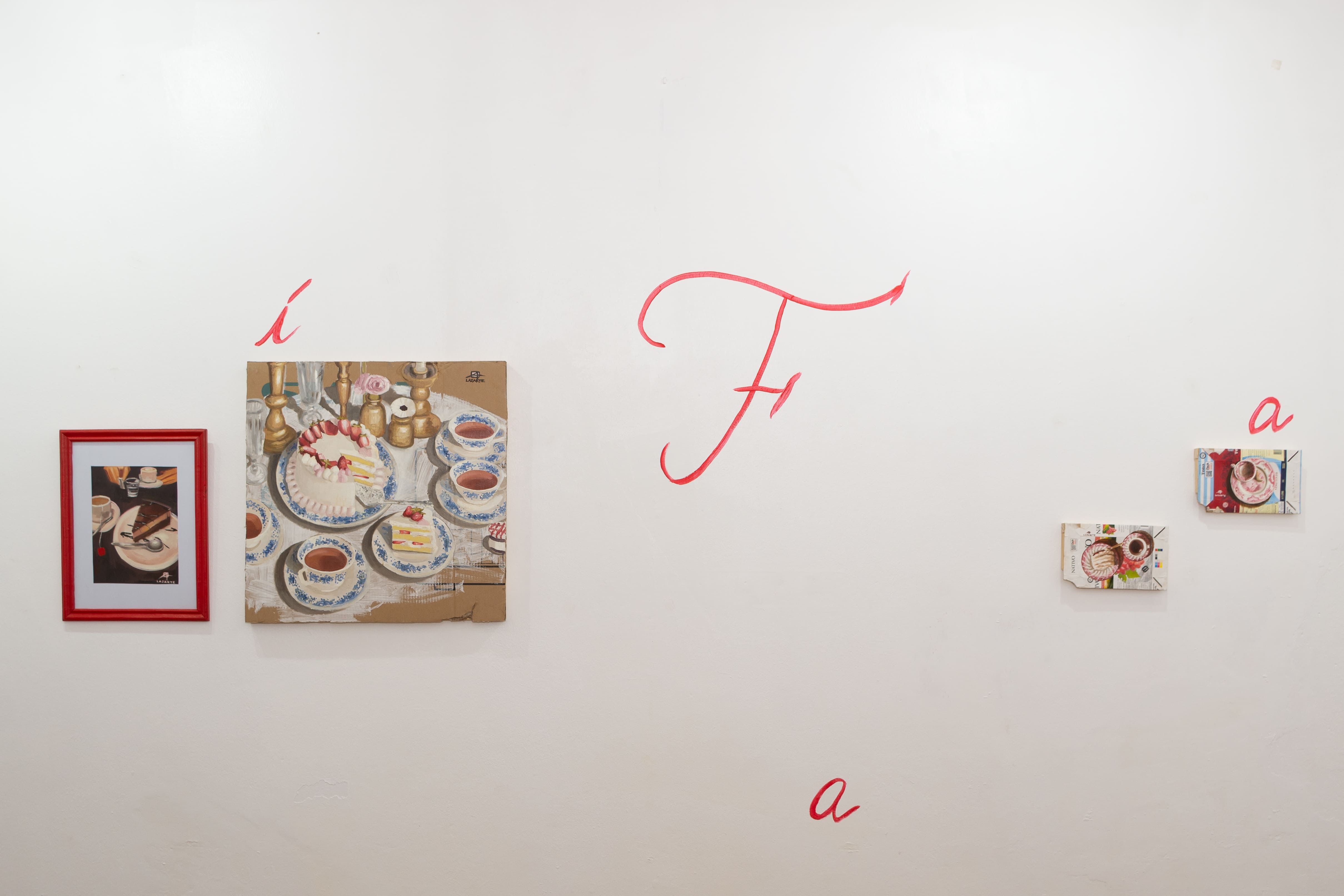
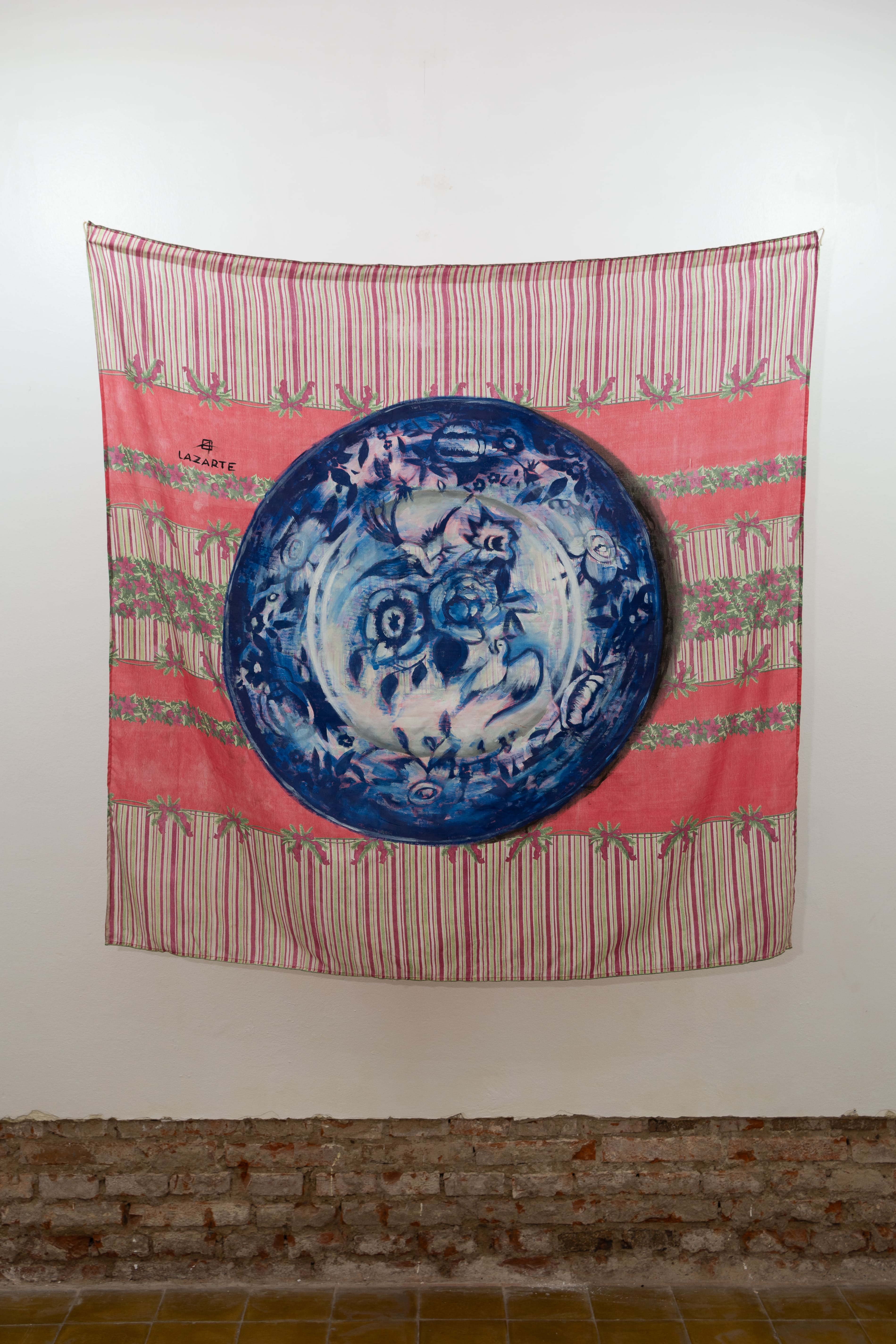
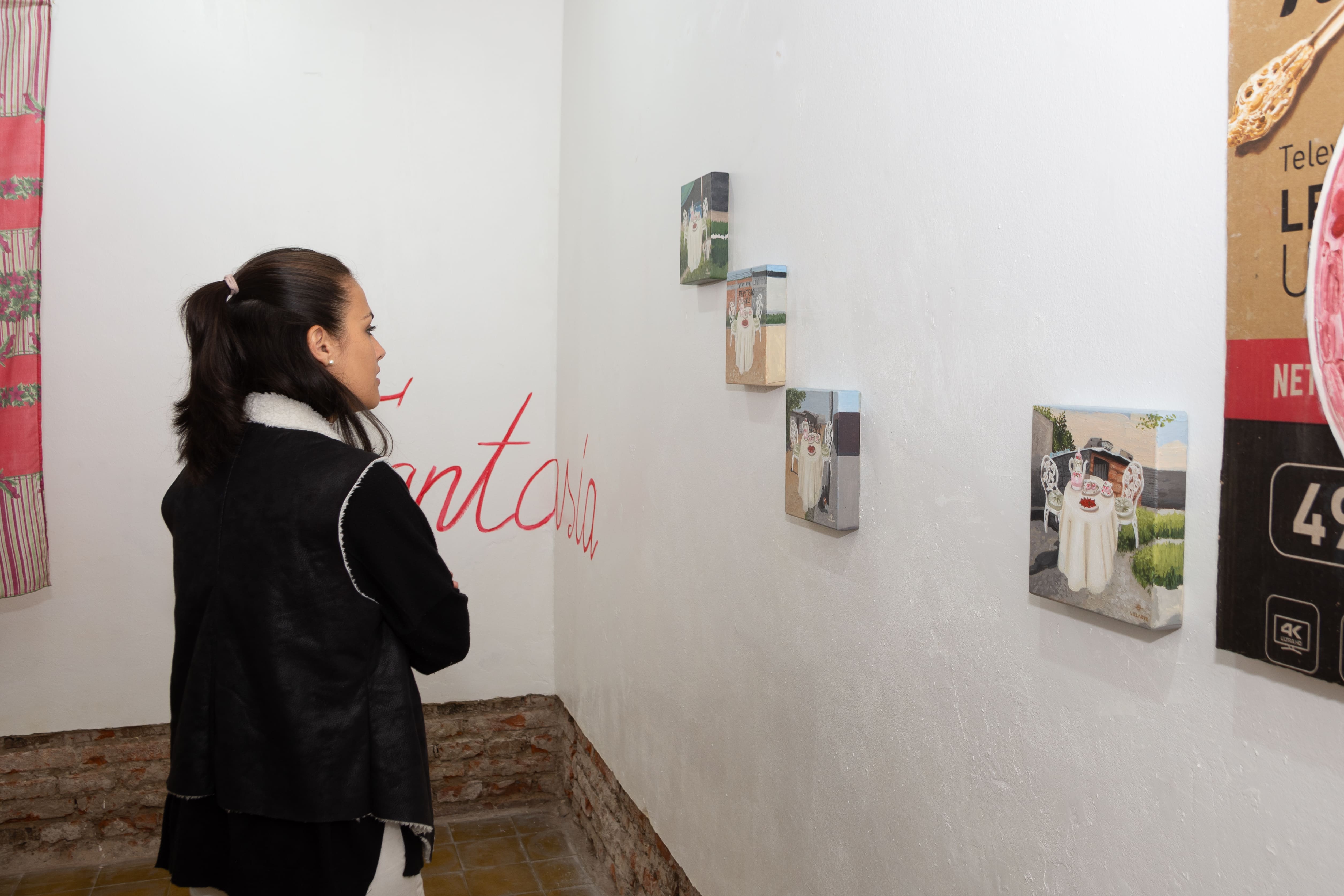
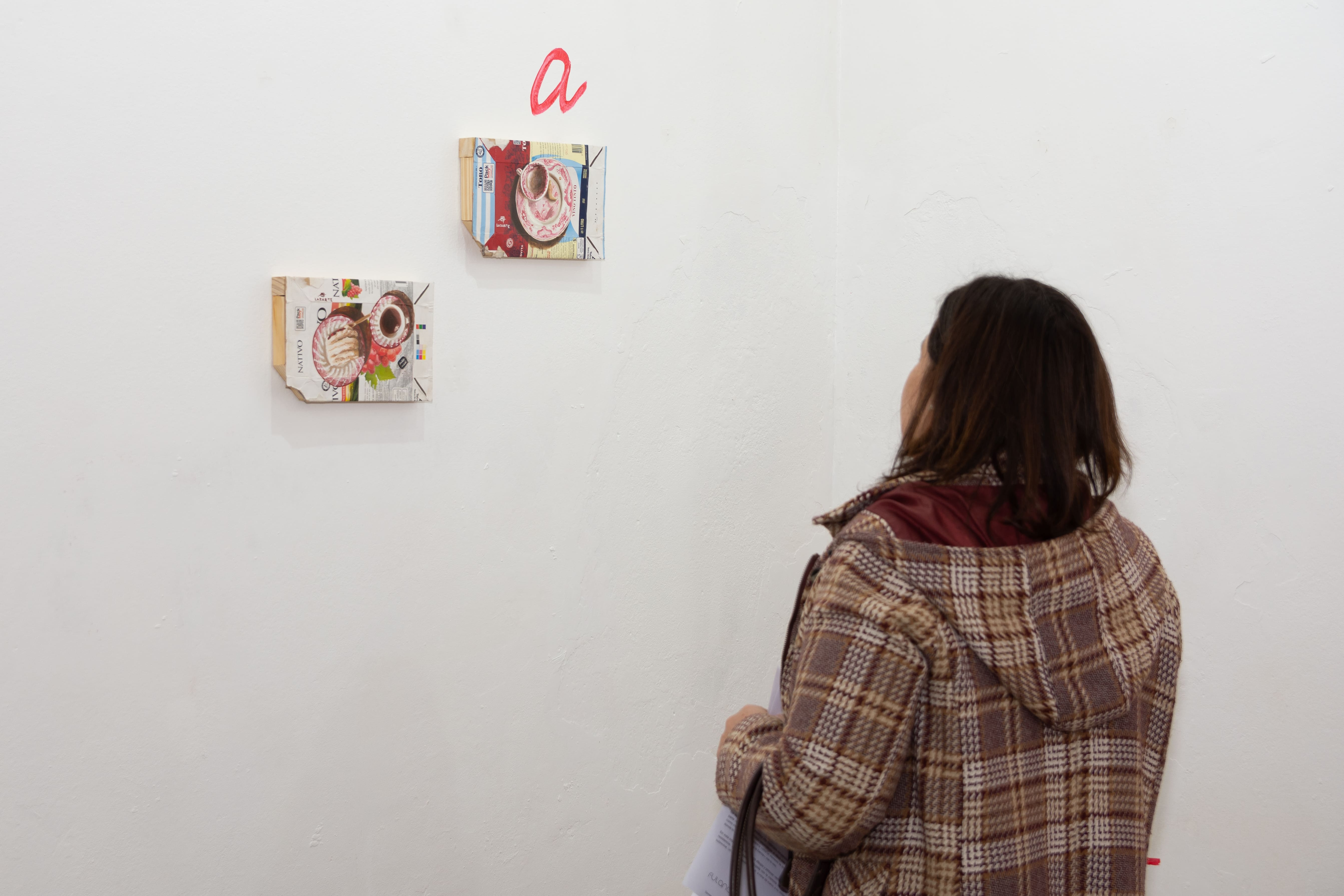
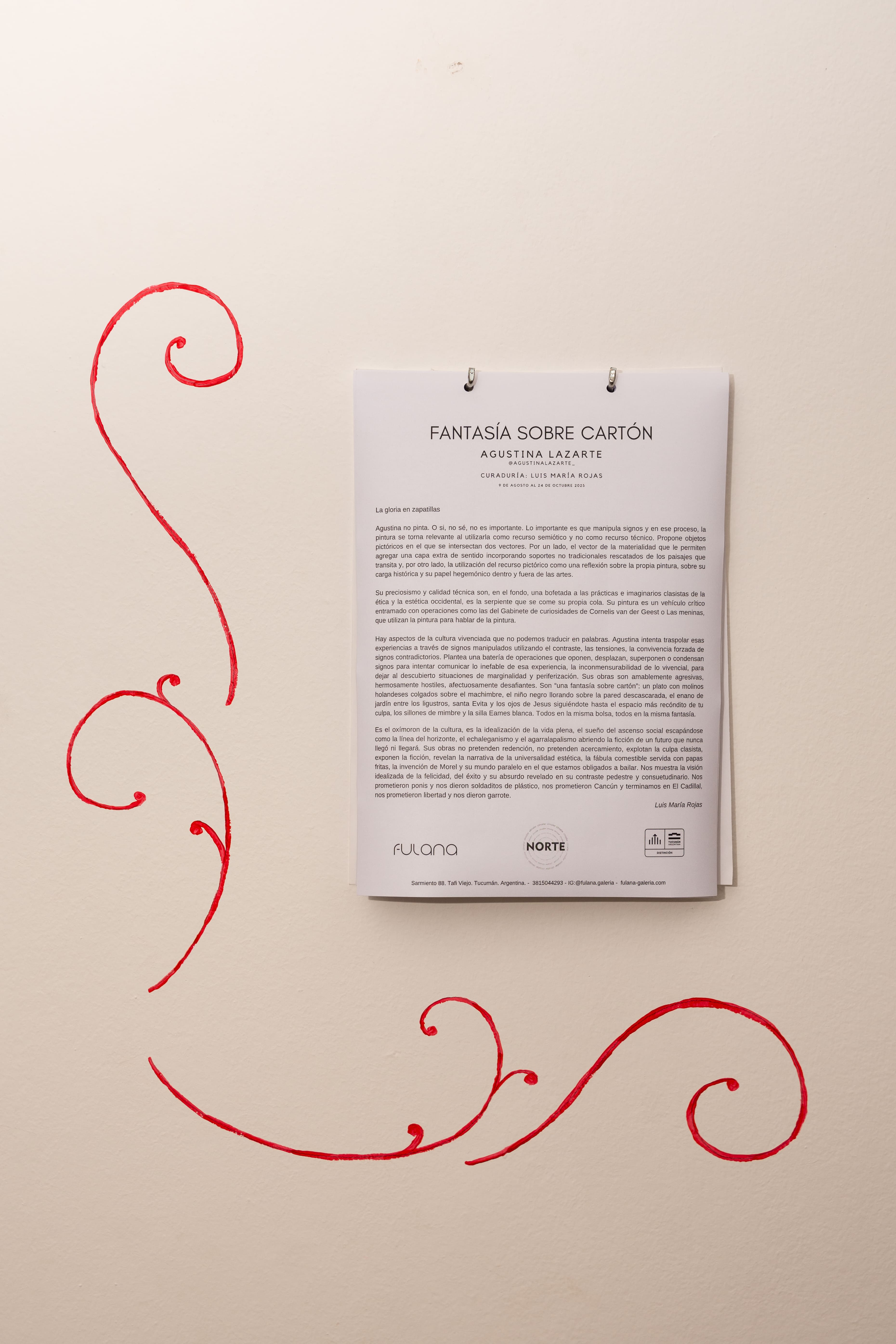
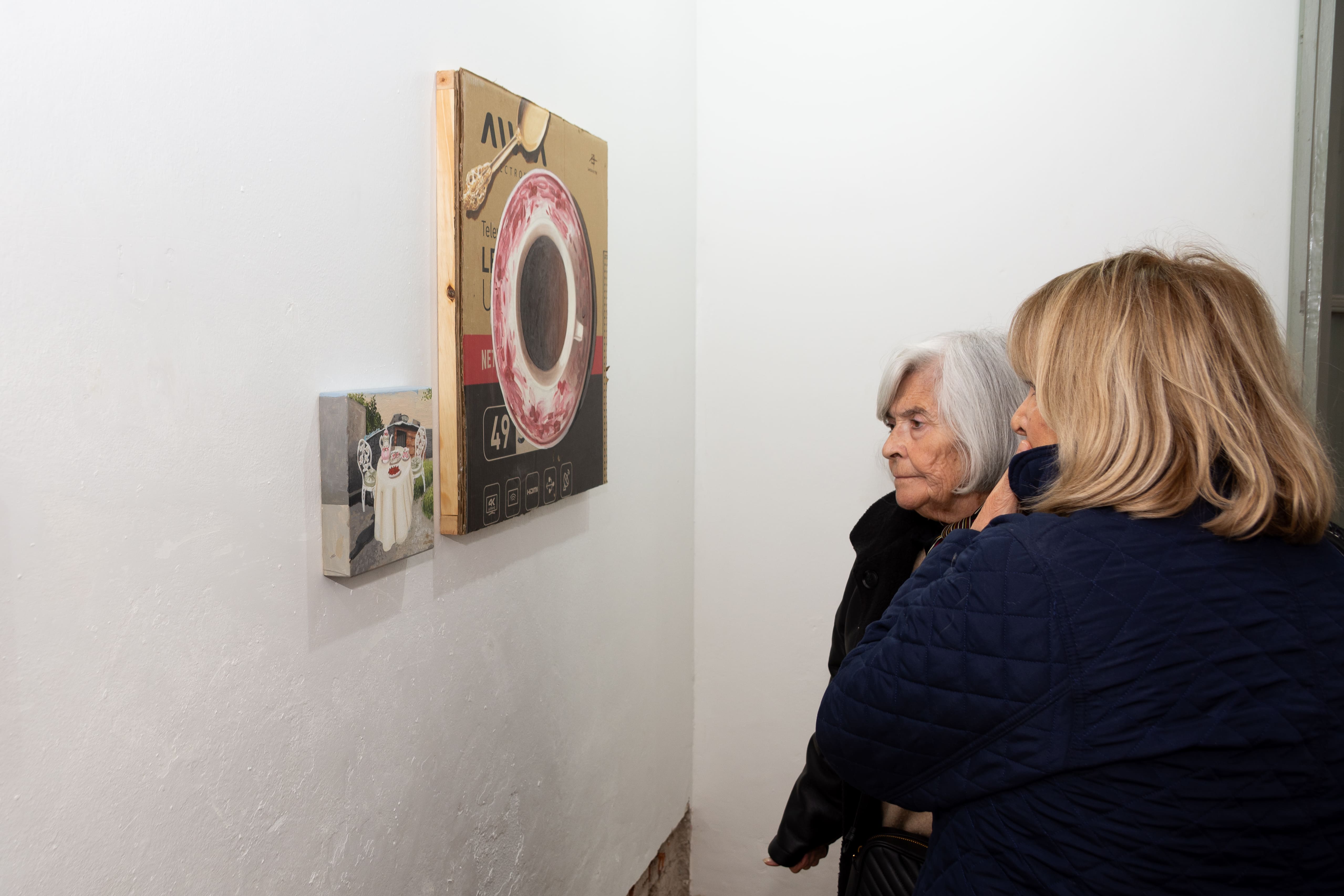
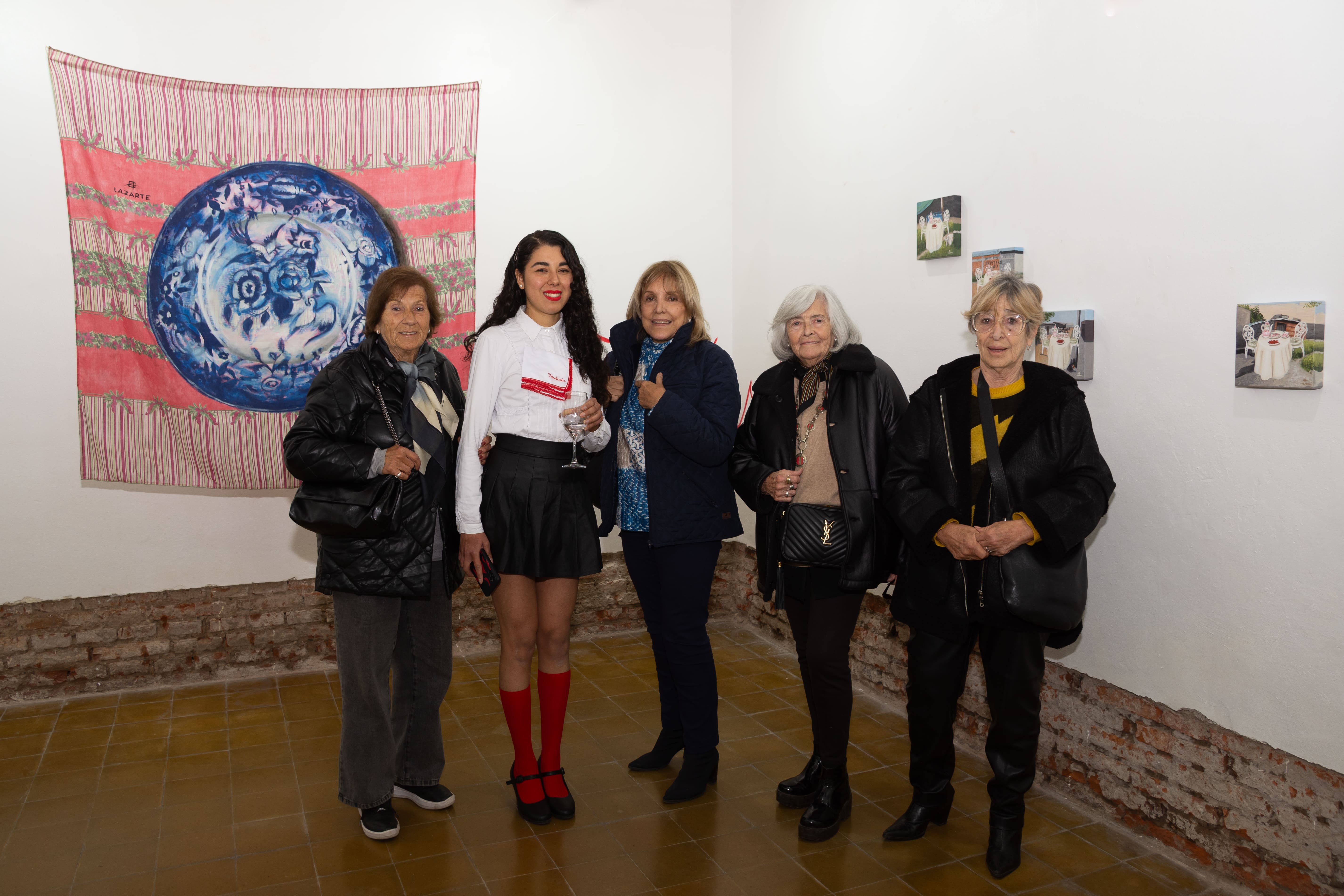
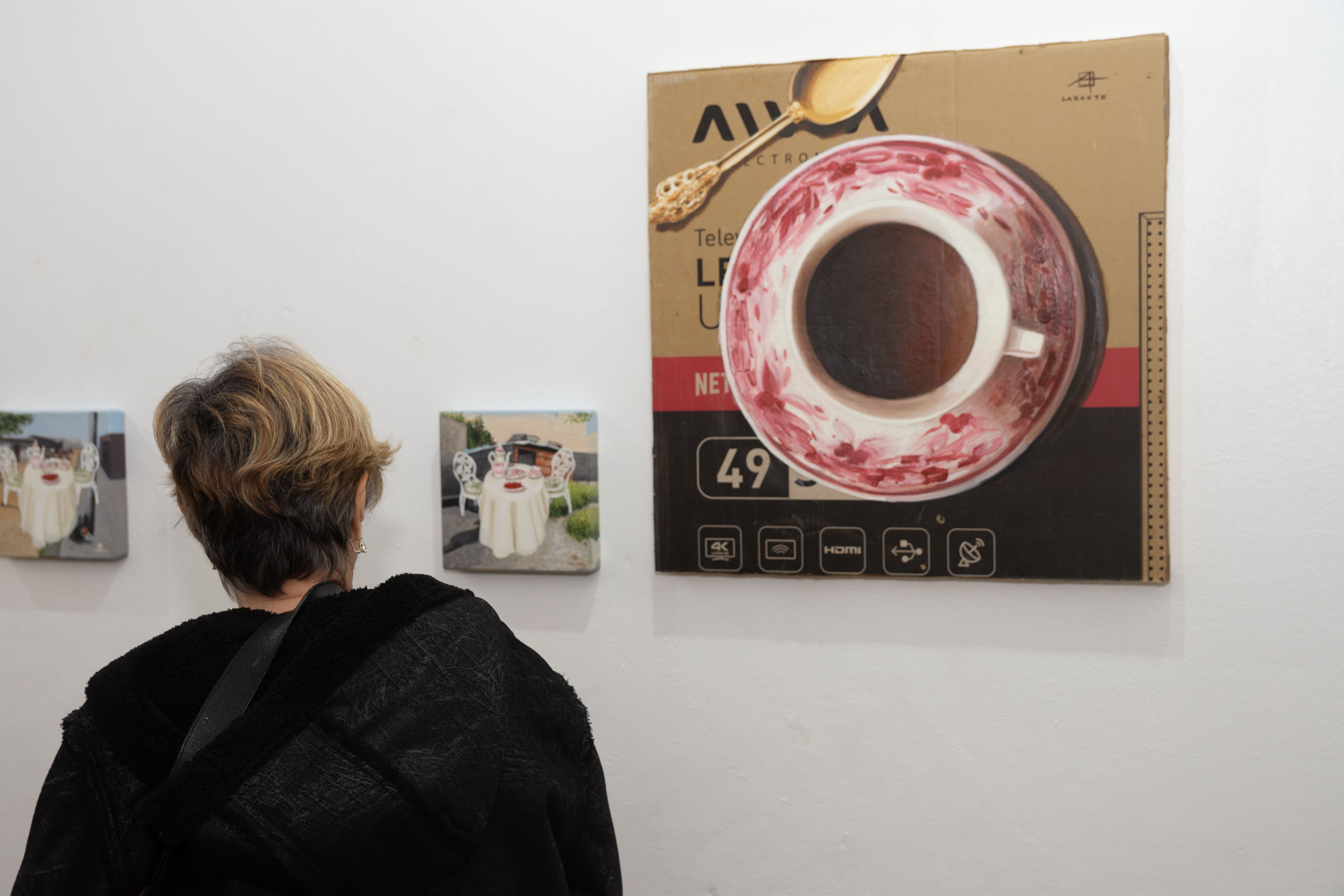
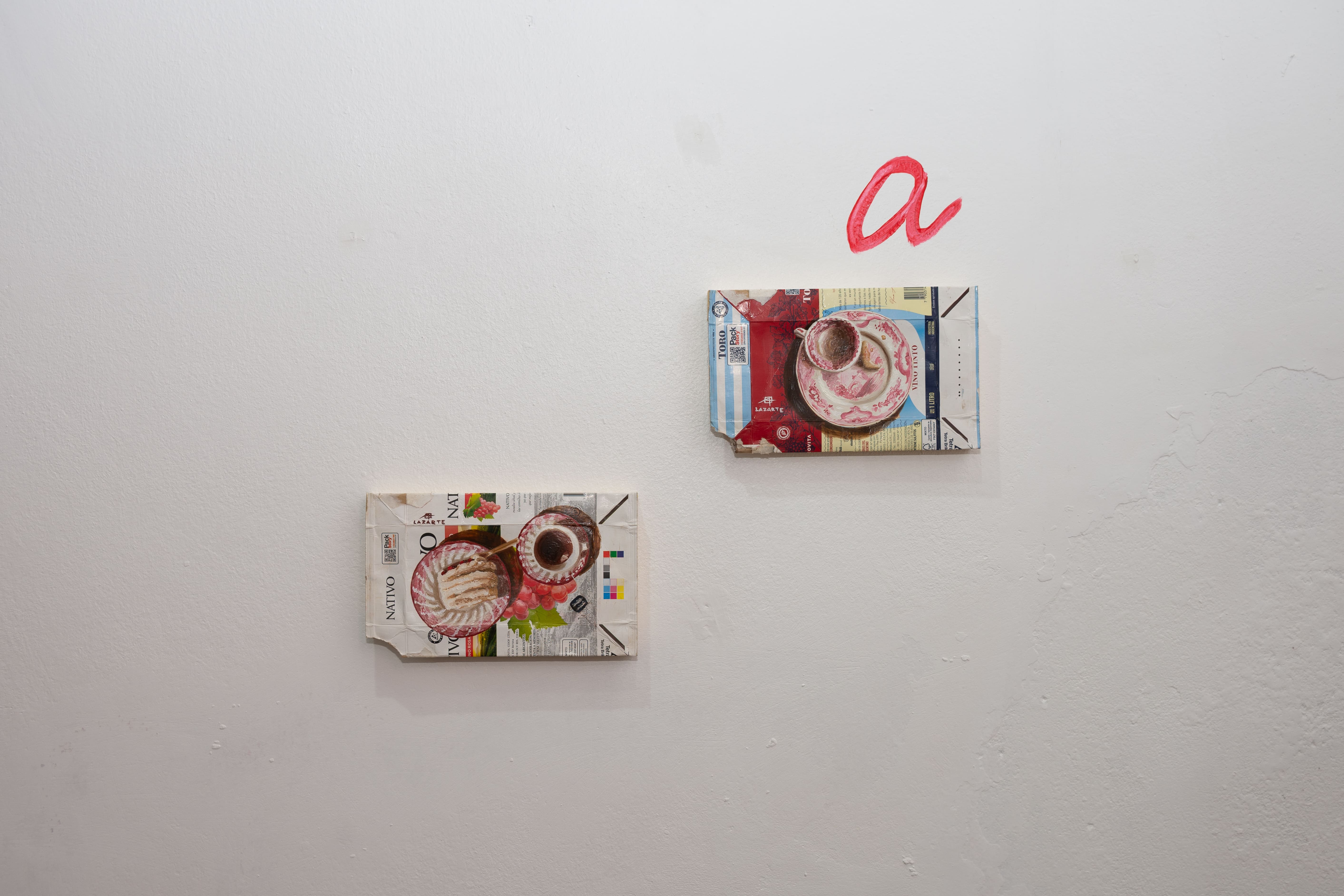
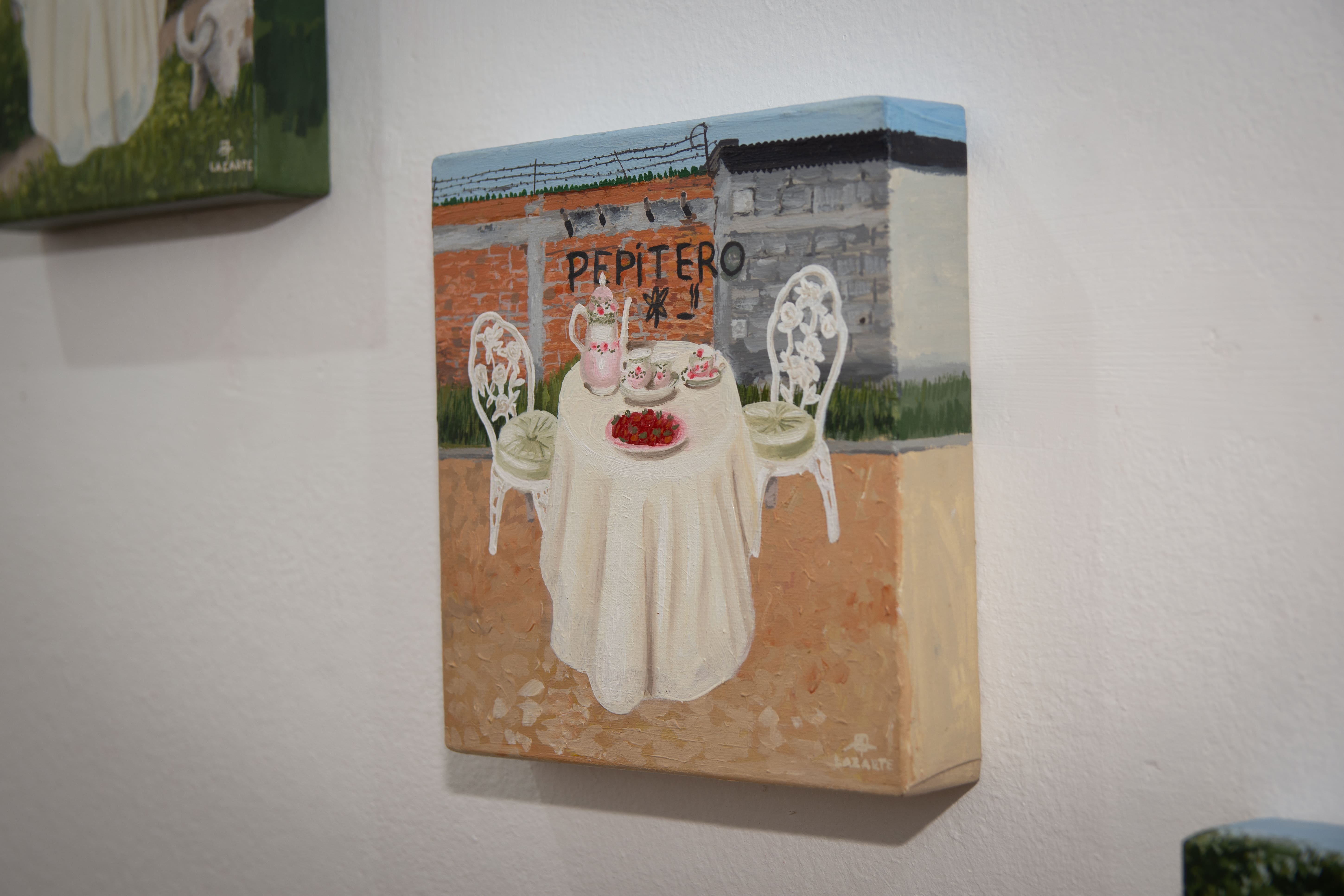
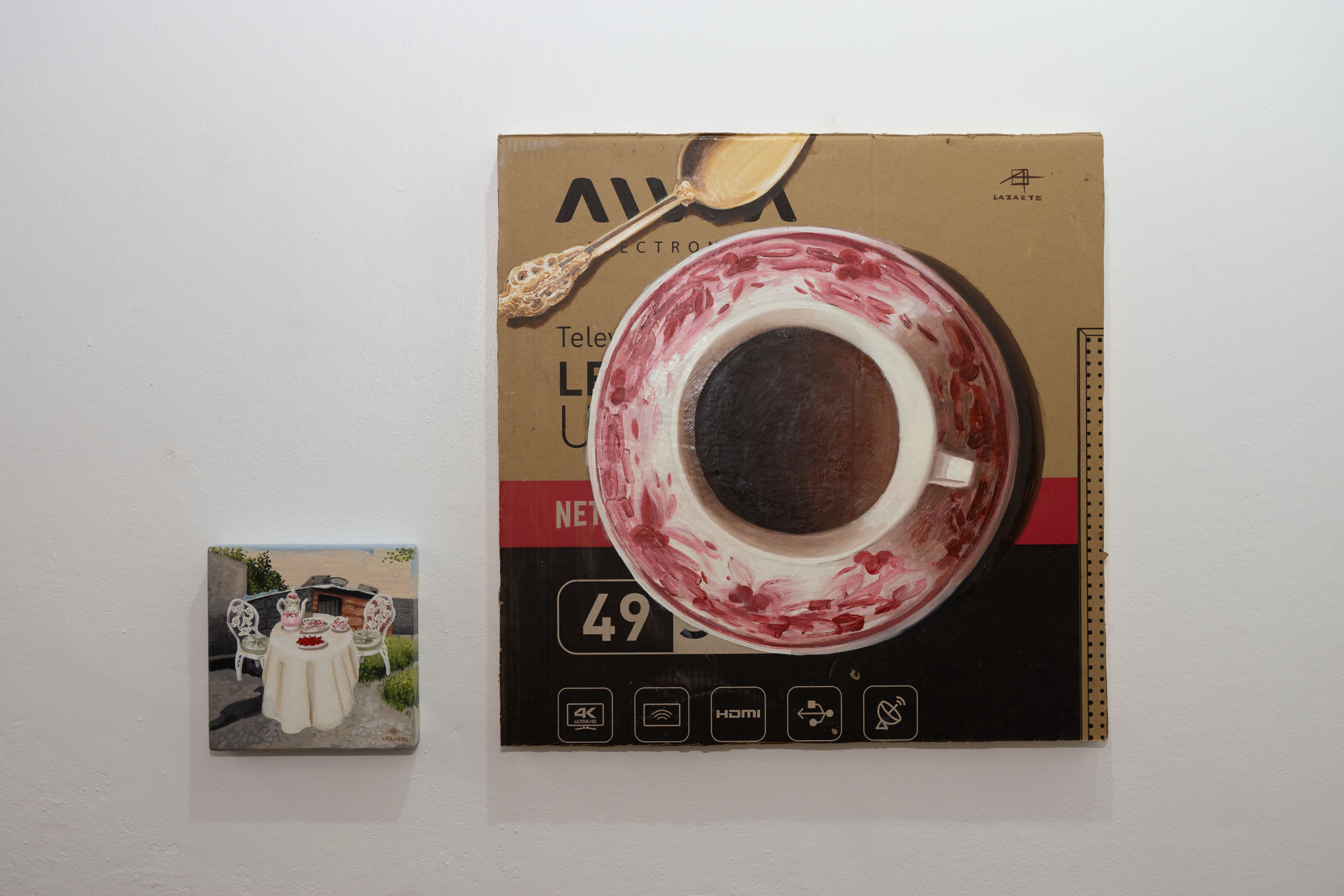
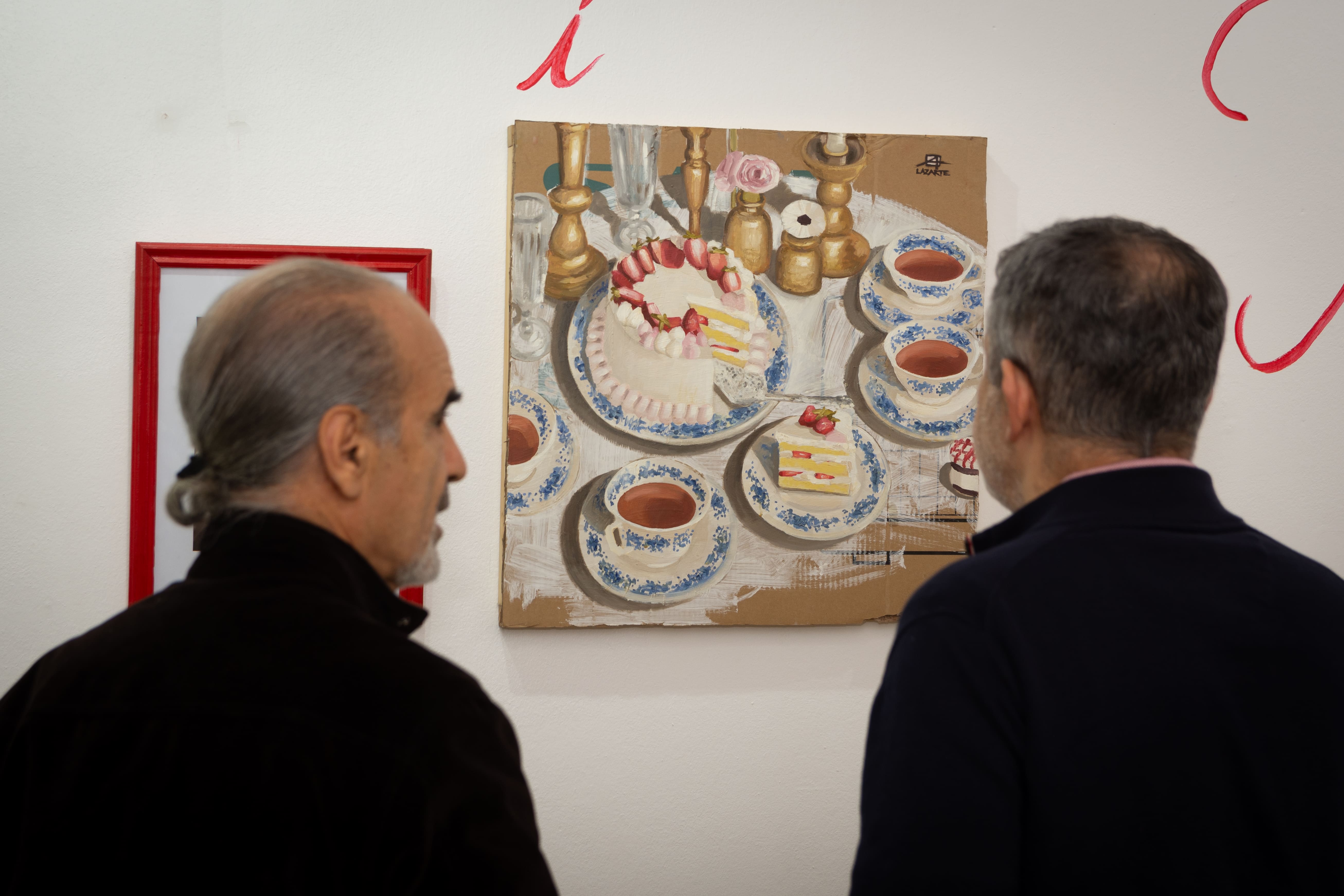
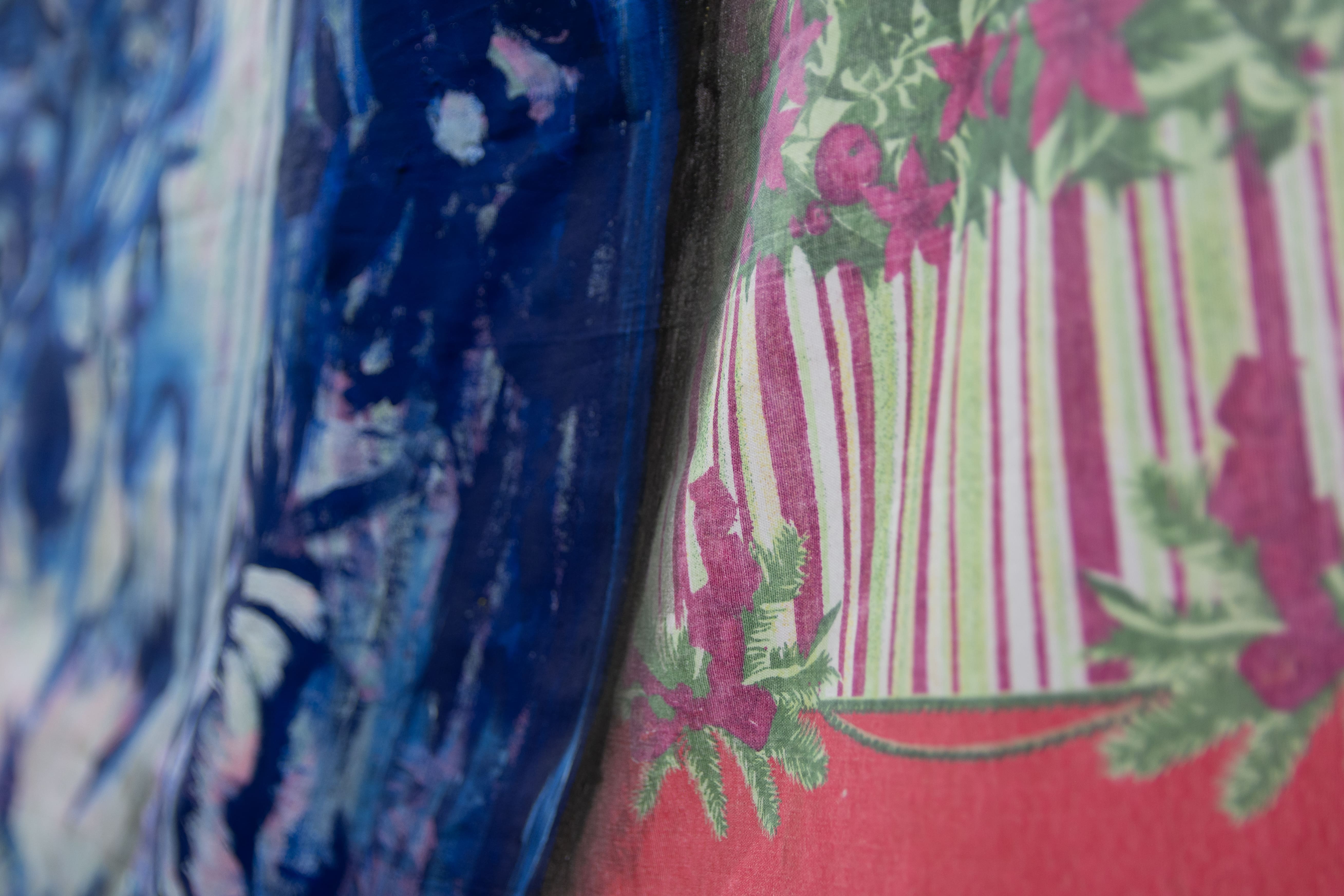
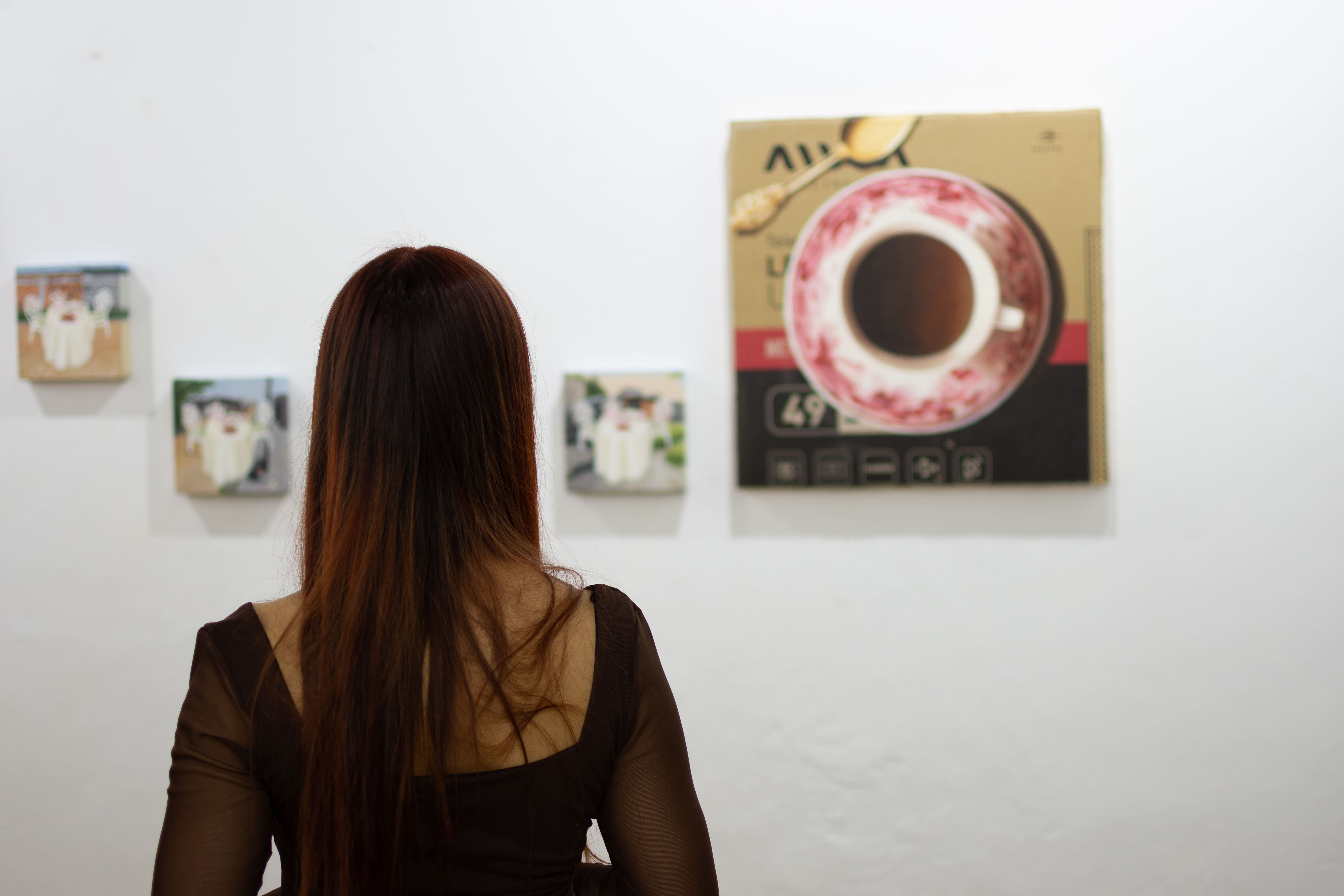
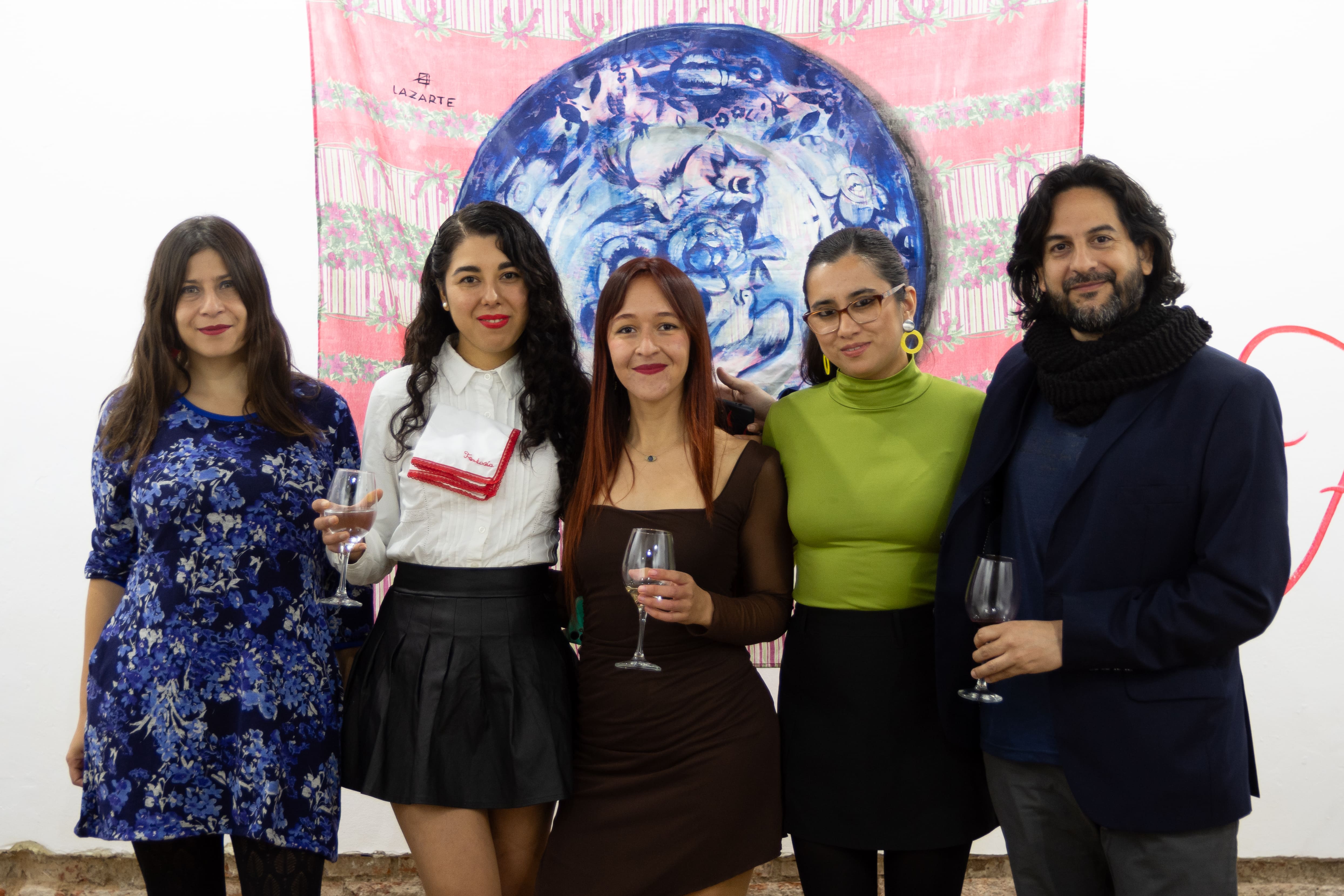
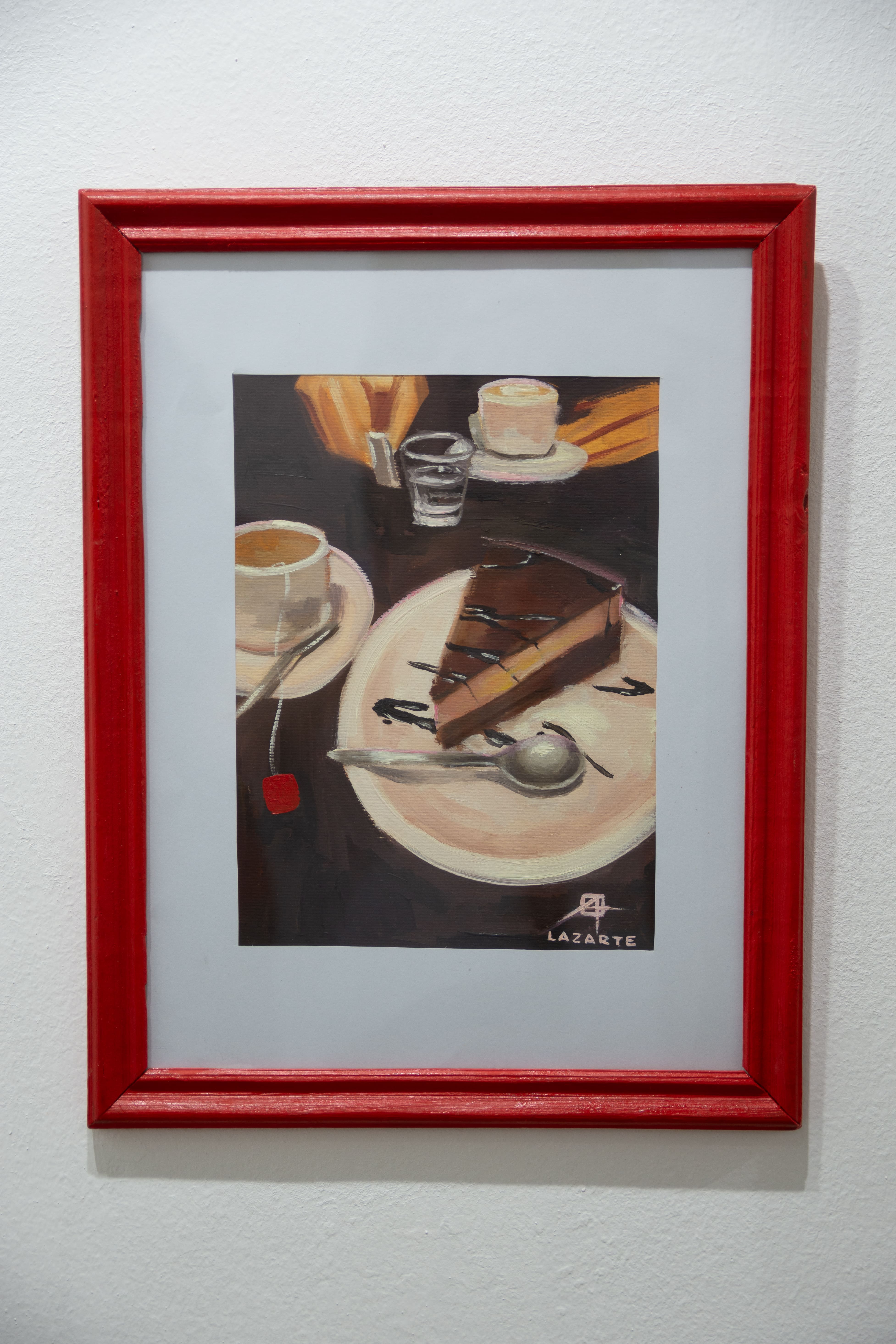
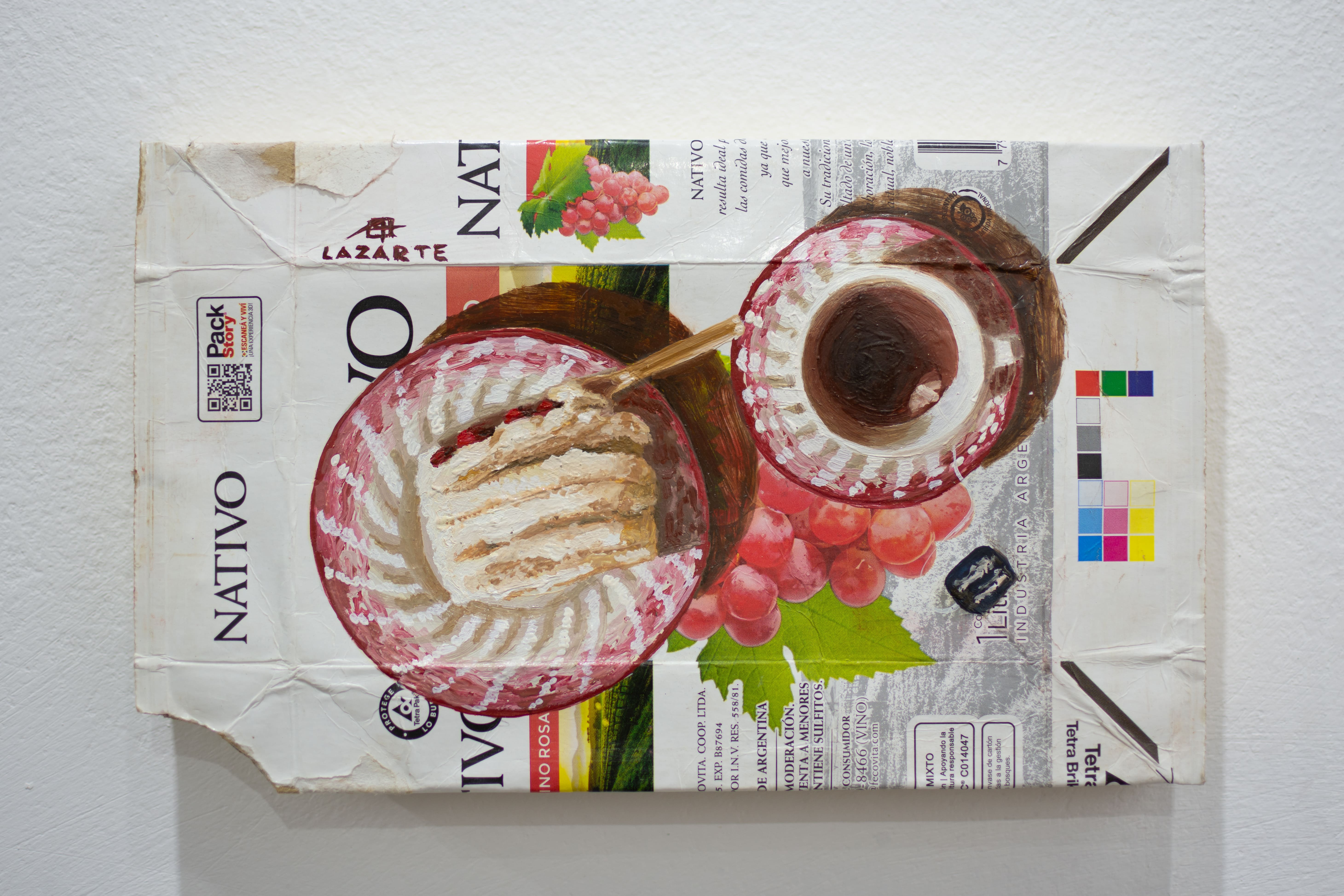
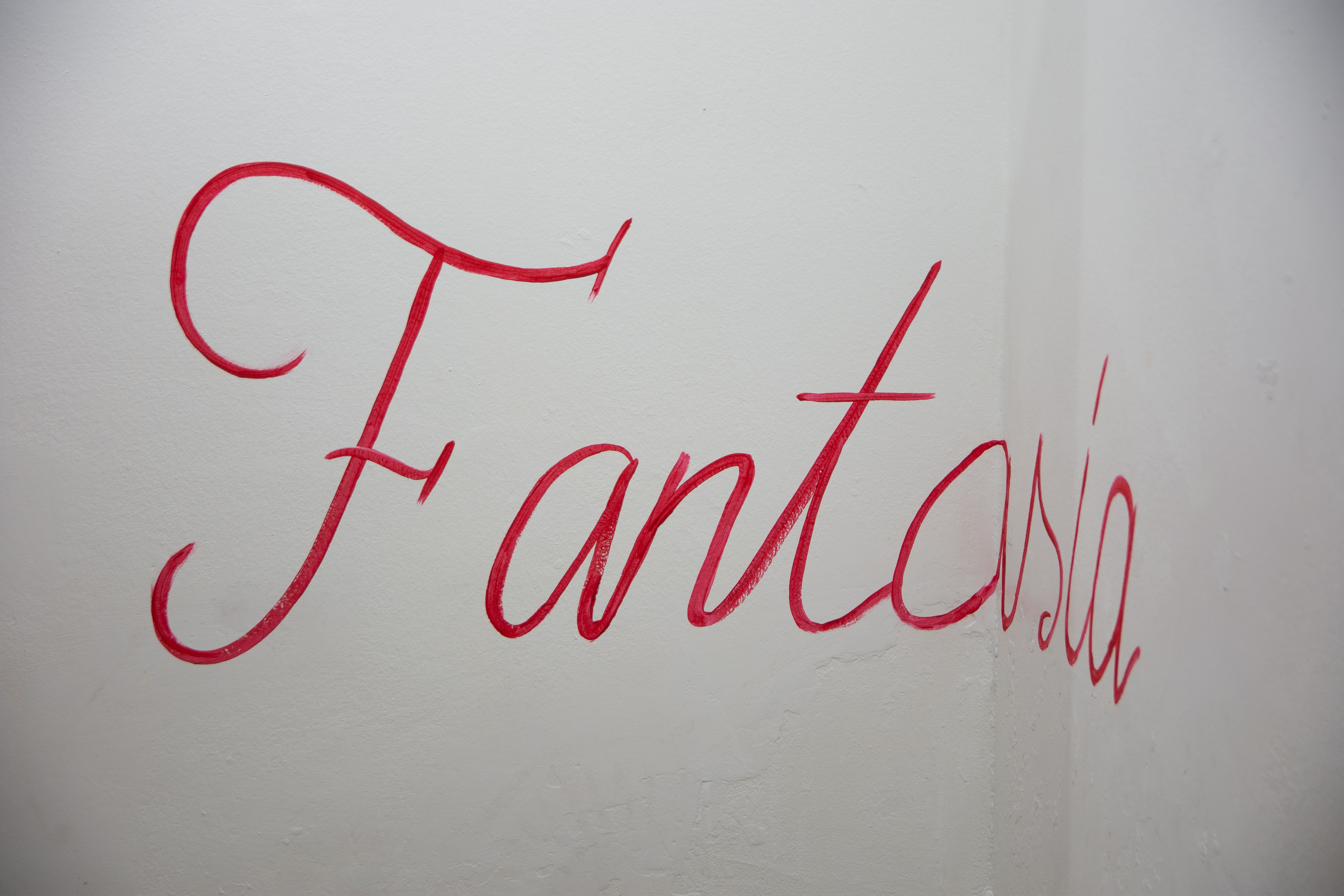
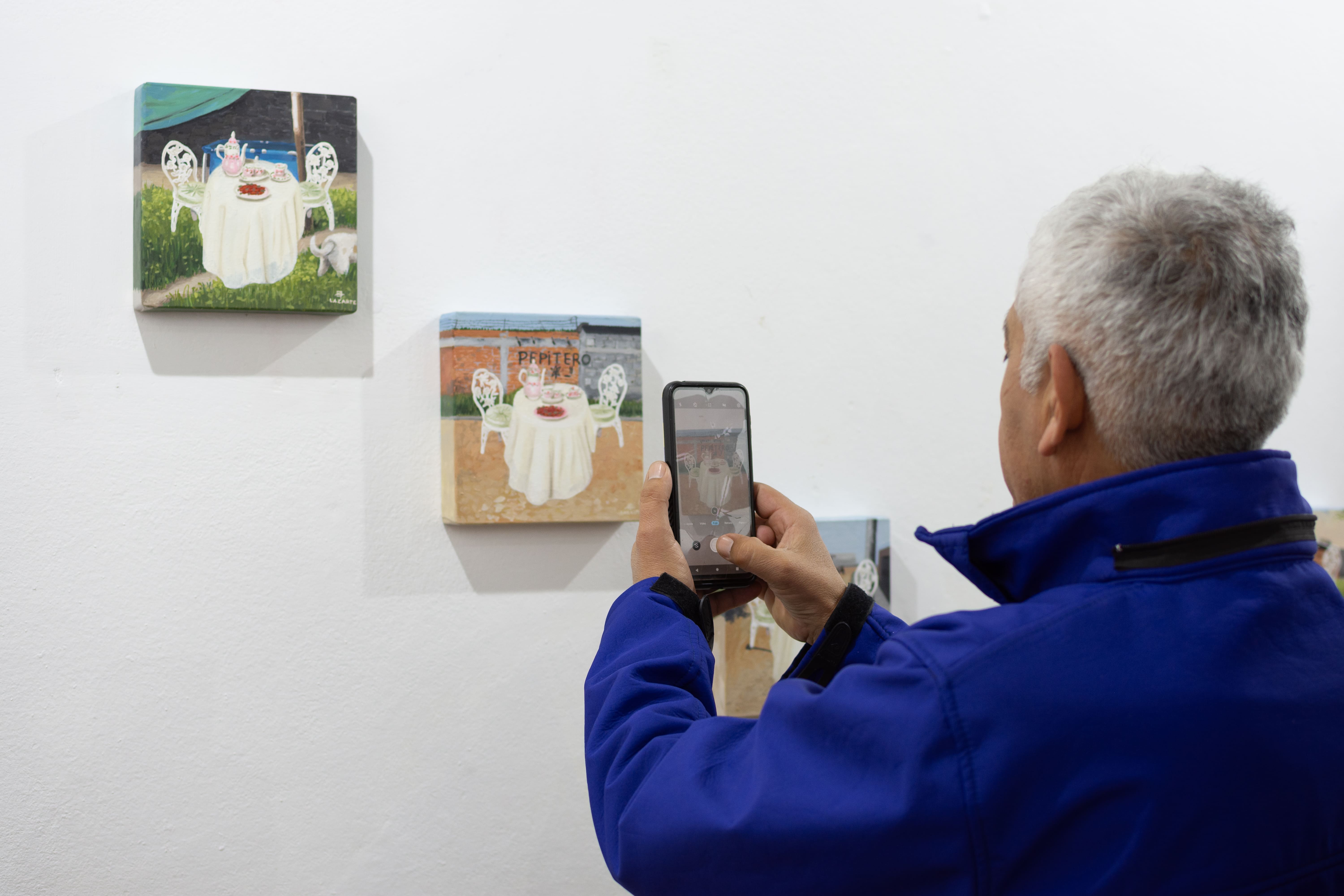
Agustina Lazarte Curator: Luis María Rojas August 9 to October 24, 2025 Glory in Sneakers Agustina doesn't paint. Or maybe she does, I don't know, it's not important. What's important is that she manipulates signs, and in that process, painting becomes relevant by using it as a semiotic resource and not as a technical one. She proposes pictorial objects in which two vectors intersect. On the one hand, the vector of materiality, which allows her to add an extra layer of meaning by incorporating non-traditional supports salvaged from the landscapes she travels through; and on the other hand, the use of the pictorial resource as a reflection on painting itself, on its historical weight and its hegemonic role within and beyond the arts. Her preciousness and technical quality are, in essence, a slap in the face to the classist practices and imaginaries of Western ethics and aesthetics; it's the snake eating its own tail. Her painting is a critical vehicle interwoven with operations like those of Cornelis van der Geest's Cabinet of Curiosities or Las Meninas, which use painting to speak about painting itself. There are aspects of lived culture that we cannot translate into words. Agustina attempts to transpose these experiences through manipulated signs, employing contrast, tension, and the forced coexistence of contradictory symbols. She proposes a battery of operations that oppose, displace, superimpose, or condense signs to try to communicate the ineffable nature of that experience, the immeasurability of lived experience, to expose situations of marginalization and peripheralization. Her works are gently aggressive, beautifully hostile, and affectionately challenging. They are “a fantasy on cardboard”: a plate with Dutch windmills hanging from the wainscoting, the Black child crying on the peeling wall, the garden gnome among the privet hedges, Saint Evita and the eyes of Jesus following you to the deepest recesses of your guilt, the wicker armchairs and the white Eames chair. All in the same bag, all in the same fantasy. It is the oxymoron of culture, the idealization of a fulfilling life, the dream of social climbing slipping away like the horizon, the self-importance and opportunism opening the fiction of a future that never came and never will. His works do not seek redemption, they do not seek reconciliation, they exploit class guilt, they expose fiction, they reveal the narrative of aesthetic universality, the edible fable served with French fries, the invention of Morel and his parallel world in which we are compelled to dance. It shows us the idealized vision of happiness and success, and its absurdity revealed in its pedestrian and commonplace contrast. They promised us ponies and gave us toy soldiers, they promised us Cancún and we ended up in El Cadillal, they promised us freedom and gave us a club. Luis María Rojas. Photography: Maximiliano Barrera